WeChat: The Future of Social CRM — one app, a unified view of the customer
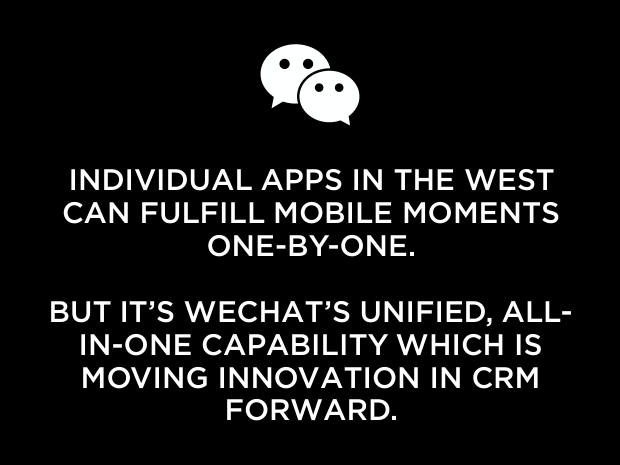
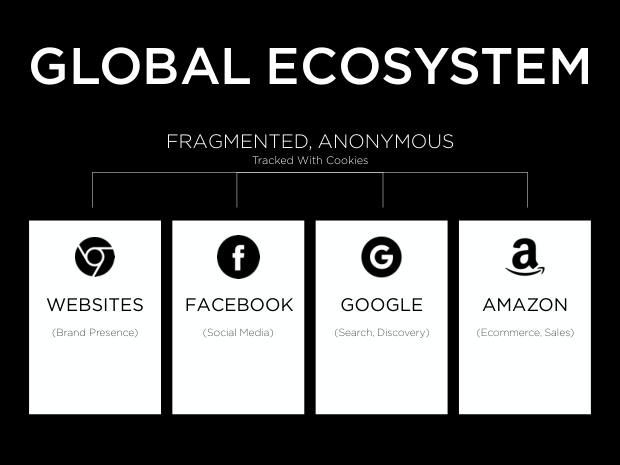
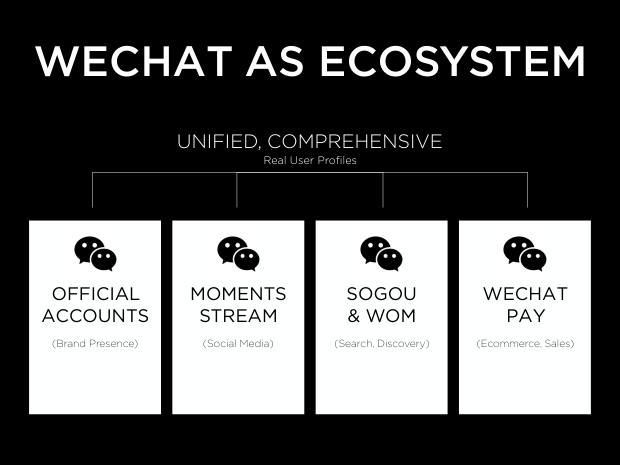
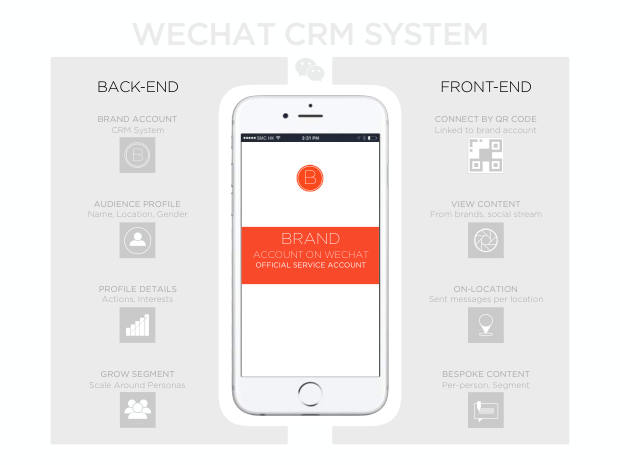
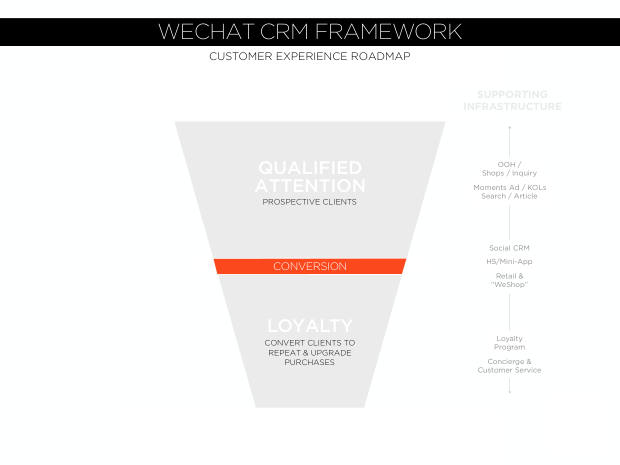
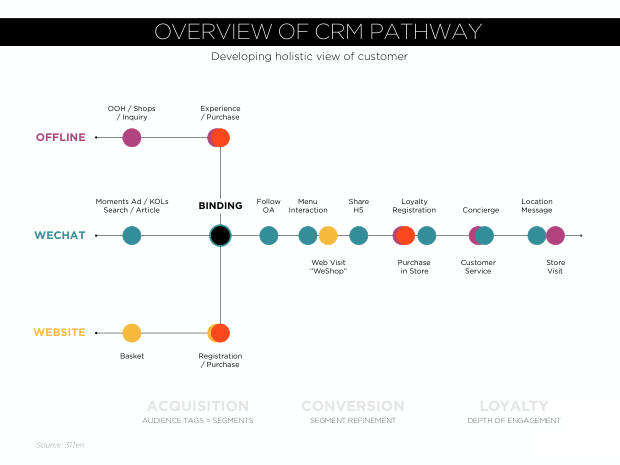
WeChat offers a preview of where omni-channel, social-mobile marketing is heading. It fuses brand presence (Official Accounts), social feed (Moments), search/word-of-mouth and mobile payment into a single ecosystem — effectively unifying what the West splits across websites, Facebook, Google and Amazon into one view of the customer, tied to real user profiles rather than cookies.
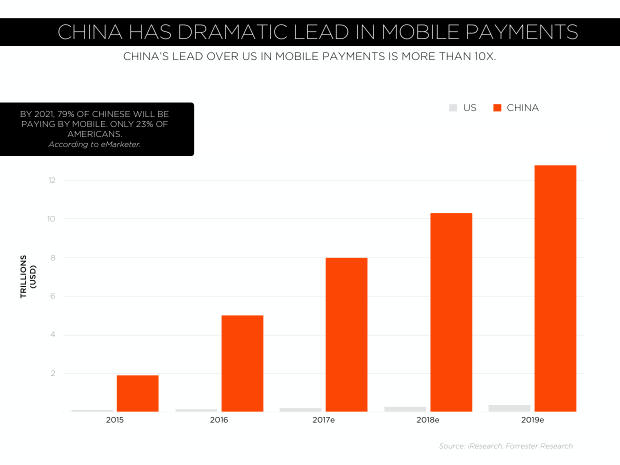
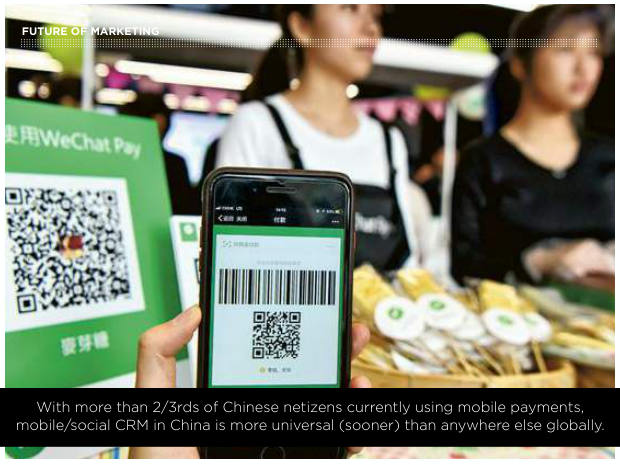
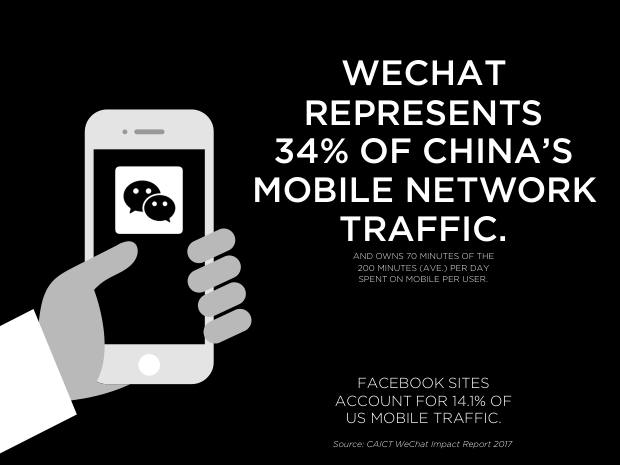
The scale underpinning this is unique to China: WeChat has 900 million users spending, on average, 34% of their mobile time in the app (70 of ~200 daily mobile minutes), and WeChat Pay claims 800 million registered users. China's lead over the US in mobile payments is more than 10x, and by 2021 eMarketer projects 79% of Chinese paying by mobile versus 23% of Americans — making mobile/social CRM more universal, sooner, in China than anywhere else.
The report is a practitioner's guide to building CRM on WeChat: real-user profiling via a third-party CRM layer, per-person QR codes bridging offline to online, audience segmentation into personas, scenario planning against time/place/interest, and Mini-Programs (170M daily active users) as the new front line. It anchors the method in the "first 48 hours" after a follow — a critical window when normal messaging limits don't apply.
WeChat unifies a customer view the West keeps fragmented.
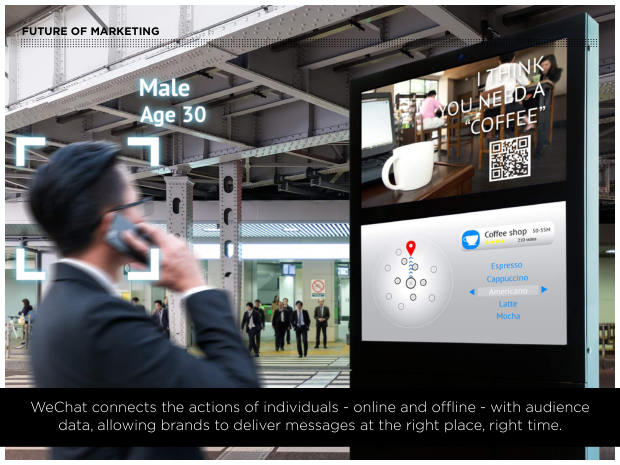
Where global marketing scatters presence, social, search and sales across separate cookie-tracked platforms, WeChat combines Official Accounts, Moments, Sogou/WOM and WeChat Pay into one ecosystem built on real user profiles — letting brands connect online and offline actions and deliver the right message at the right place and time.
Mobile-payment scale makes CRM near-universal.
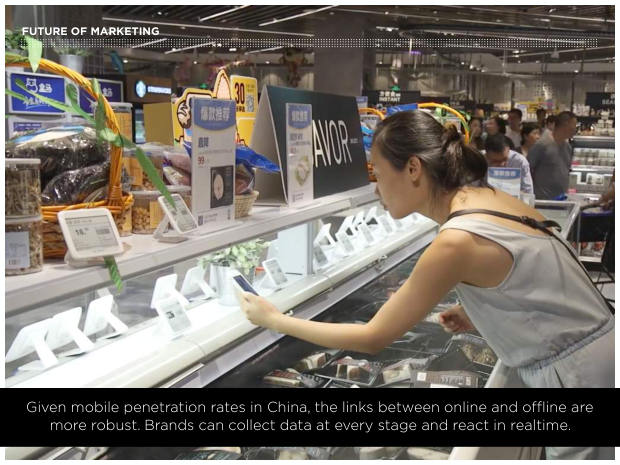
With 800 million WeChat Pay users and China's 10x+ lead in mobile payments — heading to 79% penetration by 2021 versus 23% in the US — the data links between online and offline are far more robust than elsewhere, letting brands collect data at every stage and react in real time.
The WeChat dashboard forgets; a third-party CRM remembers.
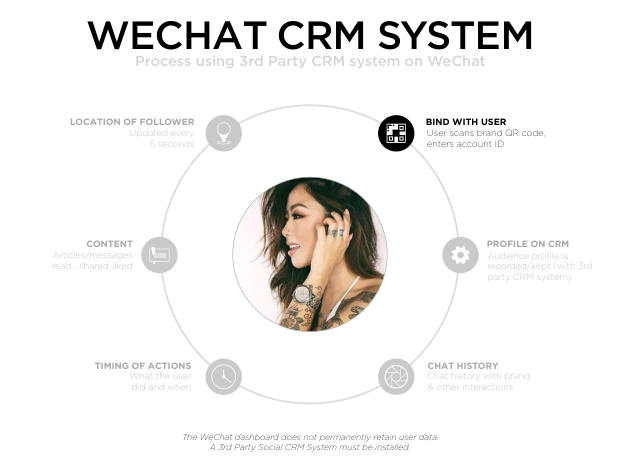
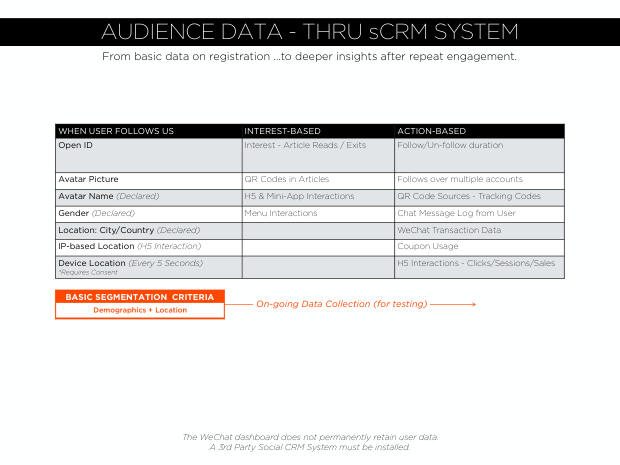
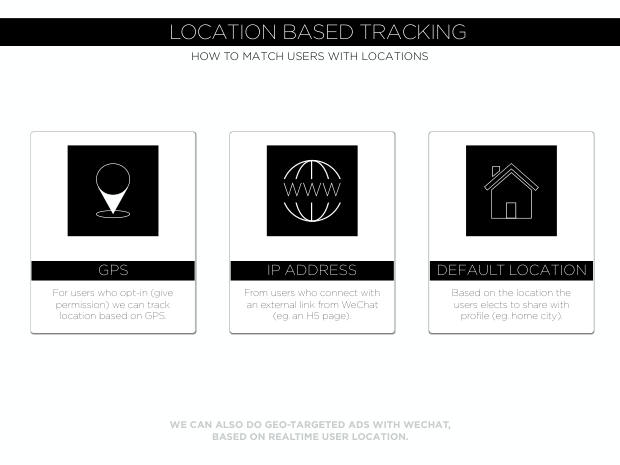
WeChat itself doesn't permanently retain user data, so a third-party social CRM must be installed to build lasting profiles. Once connected (via QR scan), brands can record profile data, content read, chat history, timing of actions and — with consent — device location updated every five seconds.
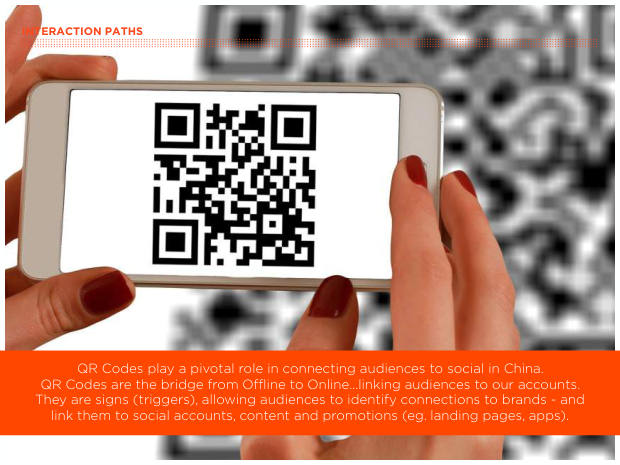
QR codes are the offline-to-online bridge.
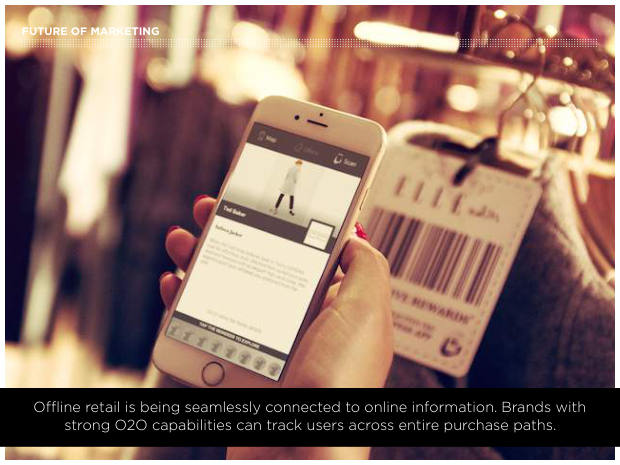
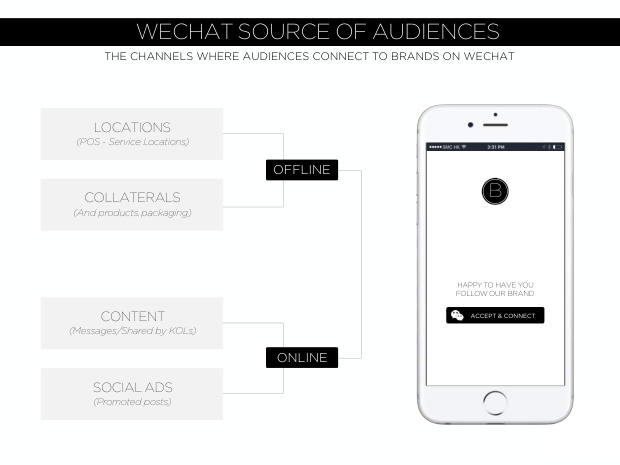
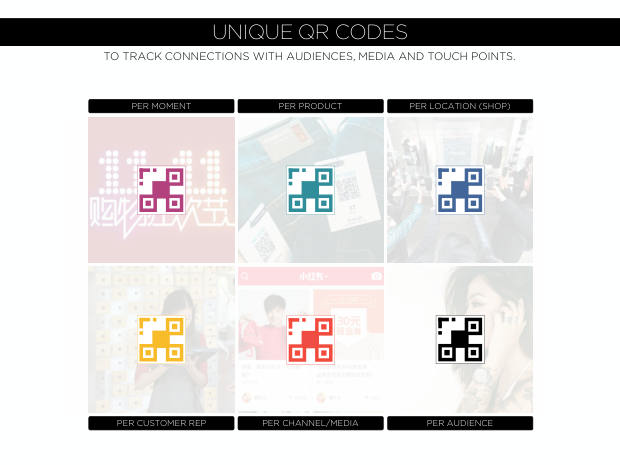
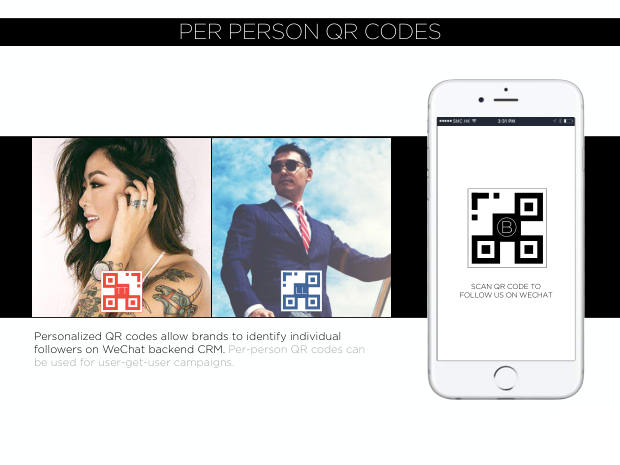
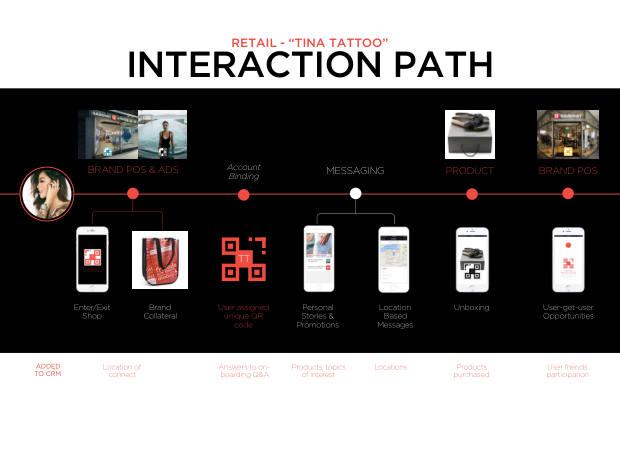
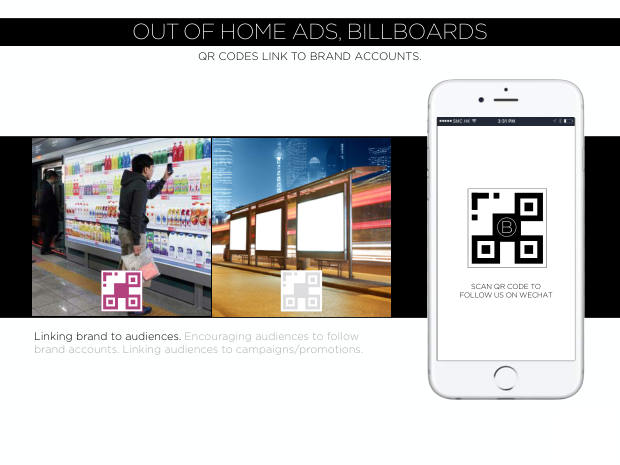
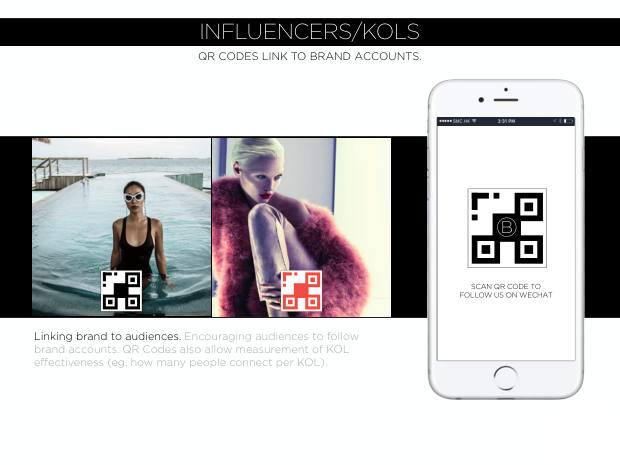
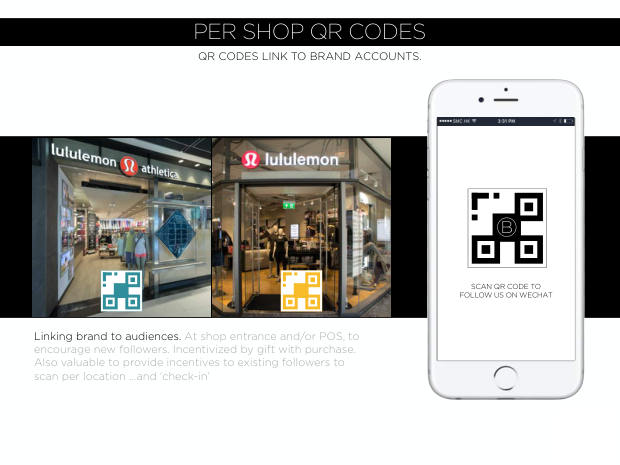
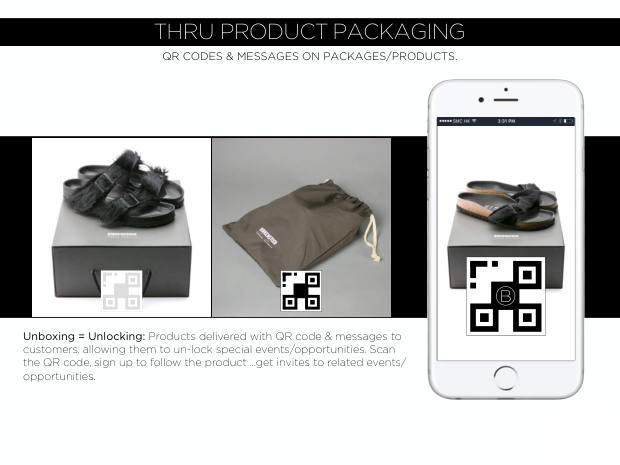
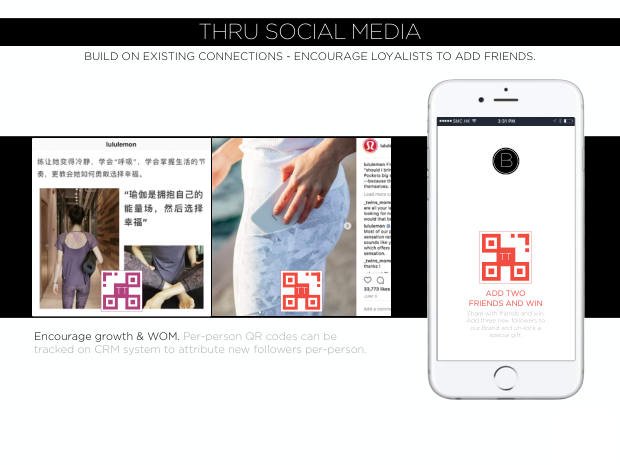
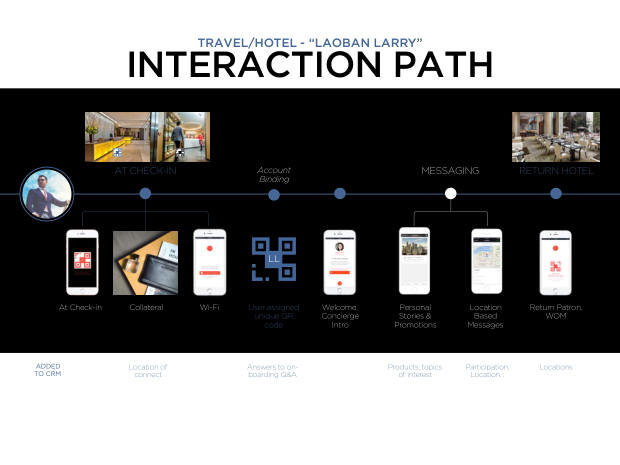
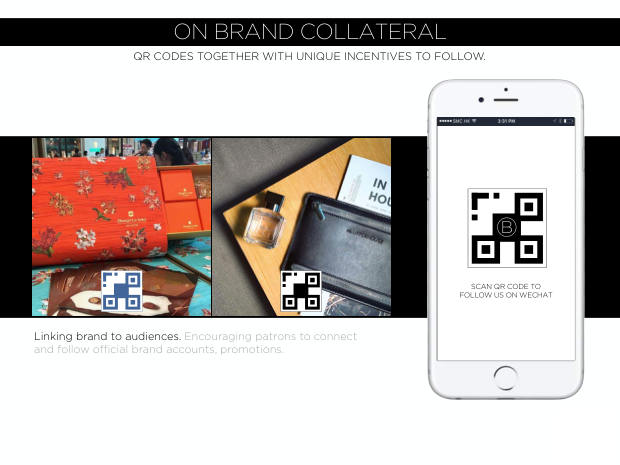
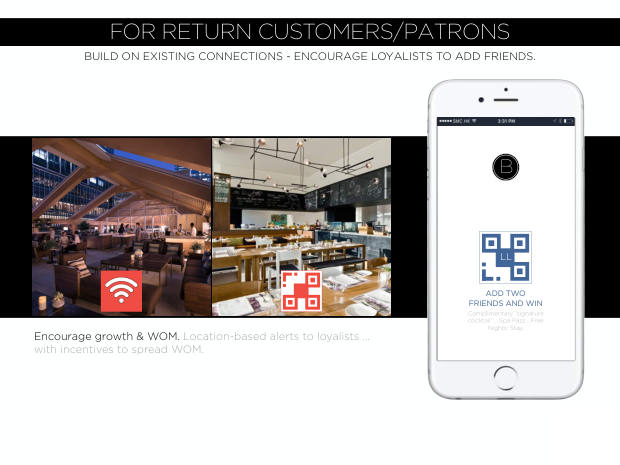
Unique QR codes — per channel, product, audience, location, rep, moment and even per person — connect audiences to accounts, measure KOL effectiveness, and enable user-get-user campaigns attributable to individual followers on the CRM back-end.
Move from broadcast to per-person marketing.
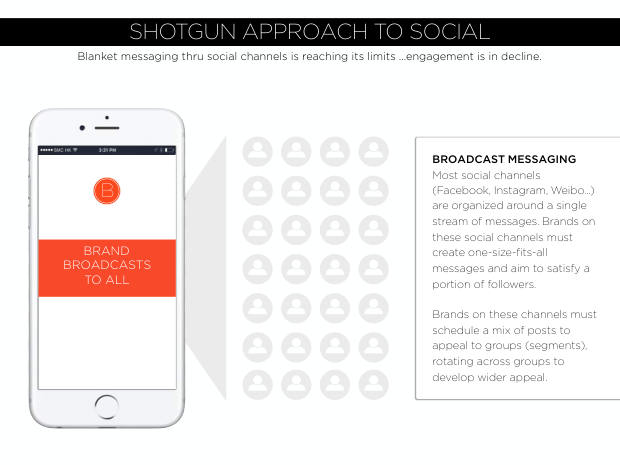
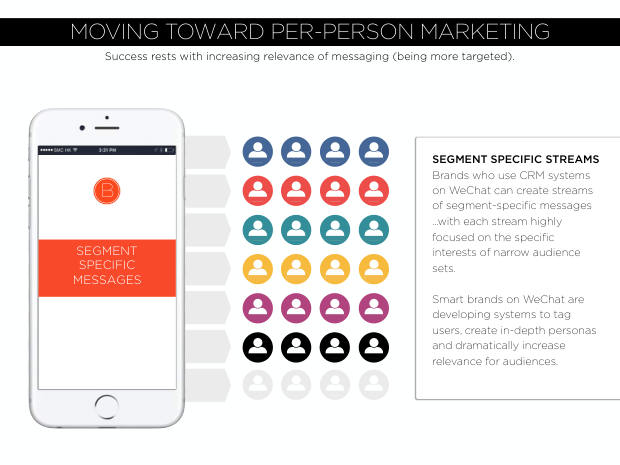
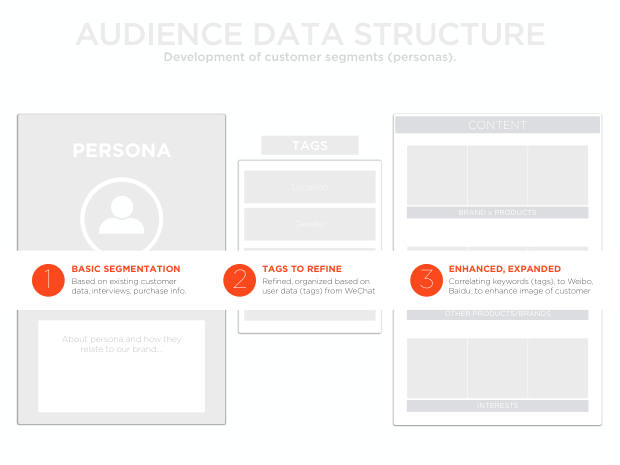
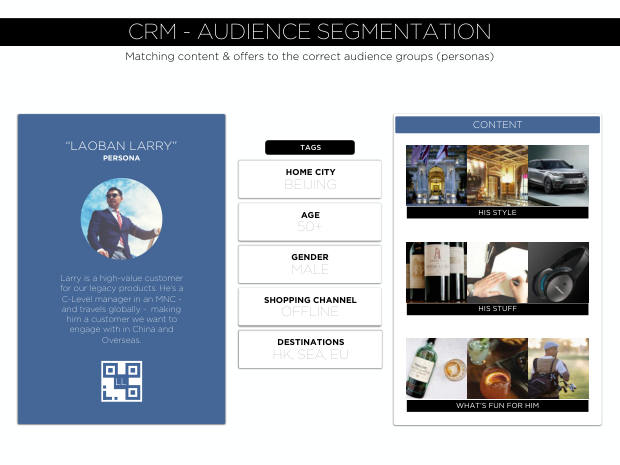
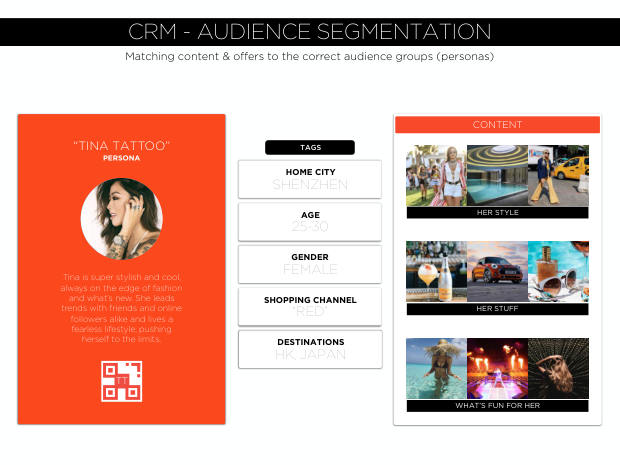
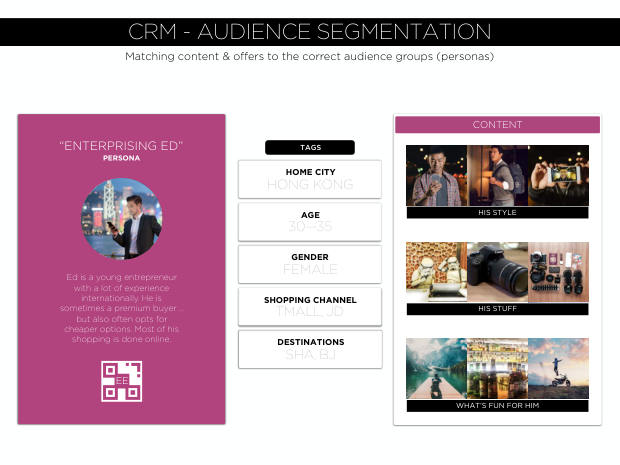
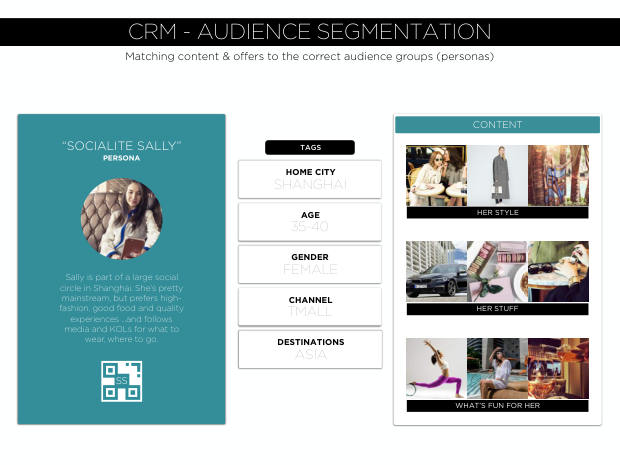
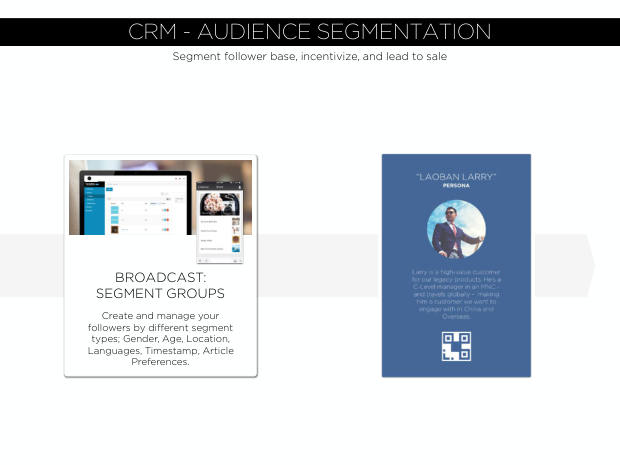
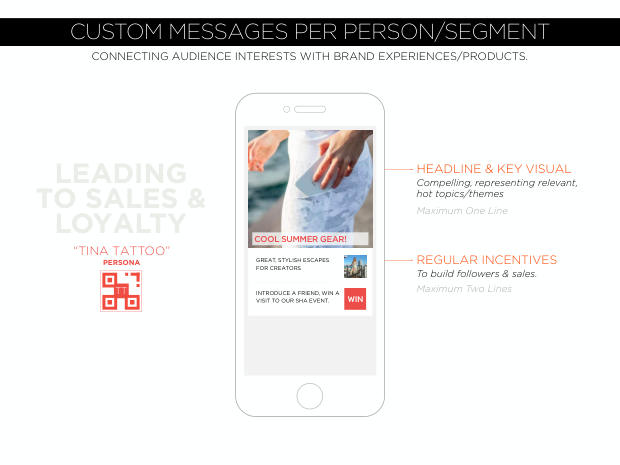
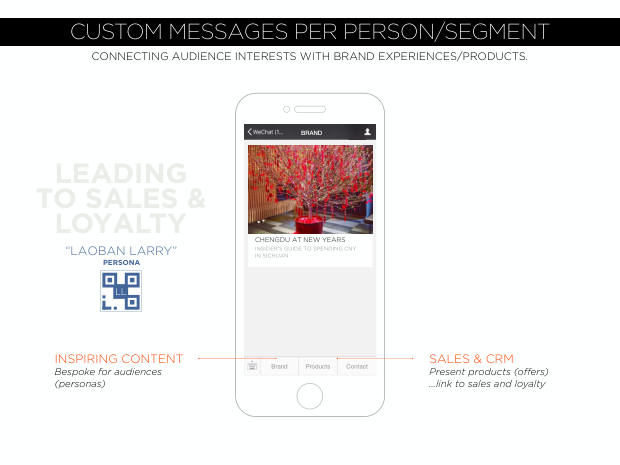
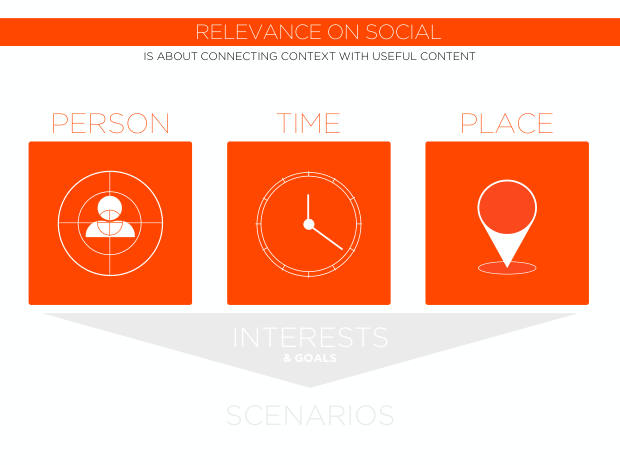
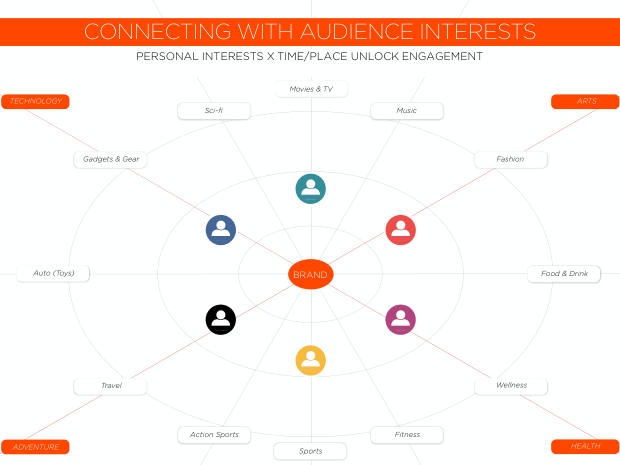
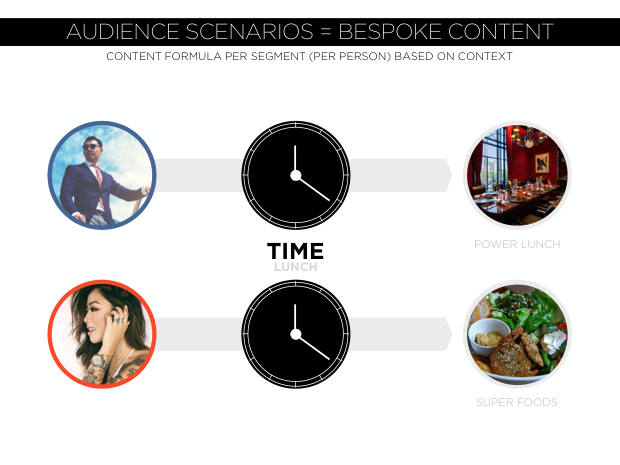
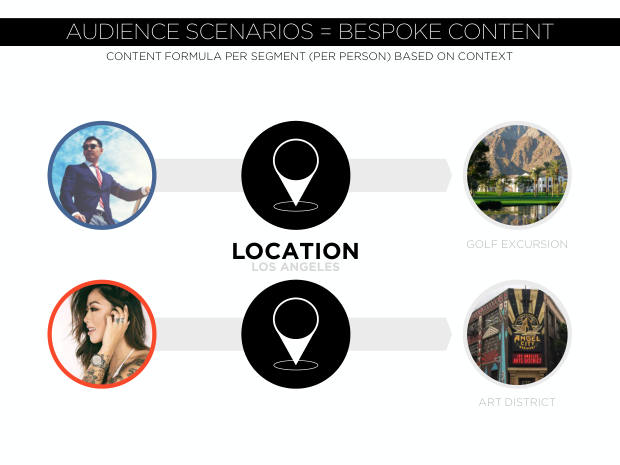
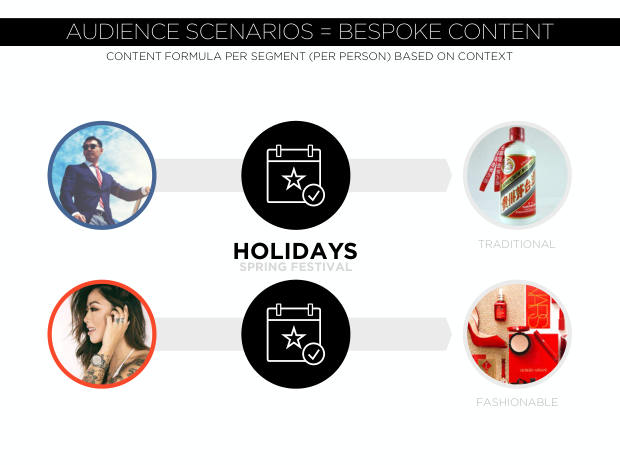
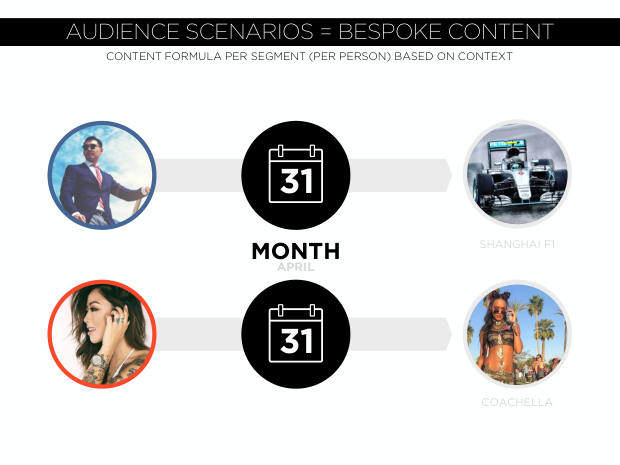
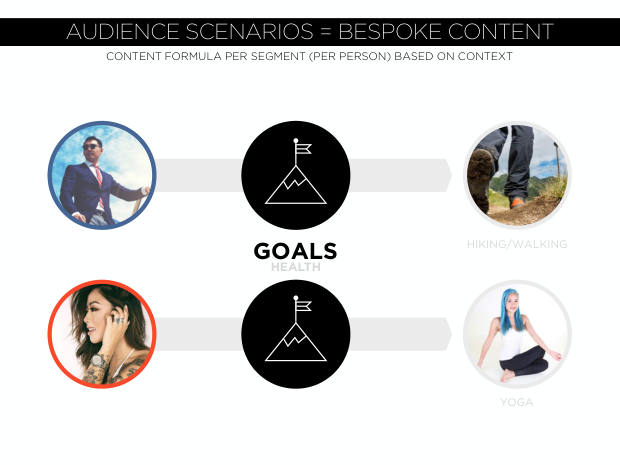
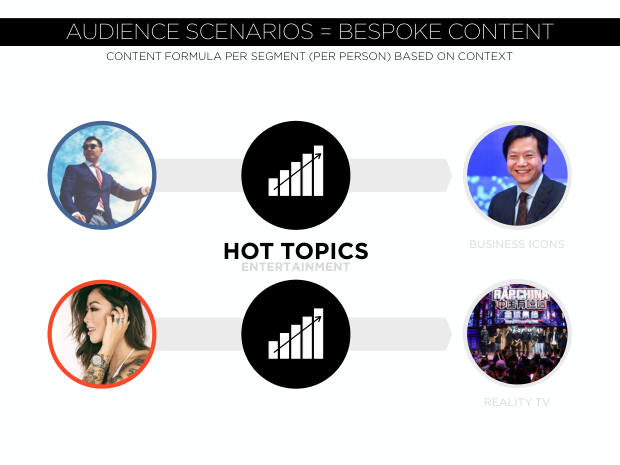
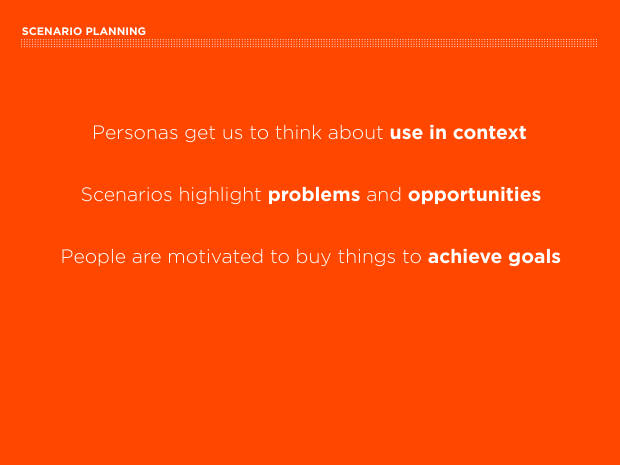
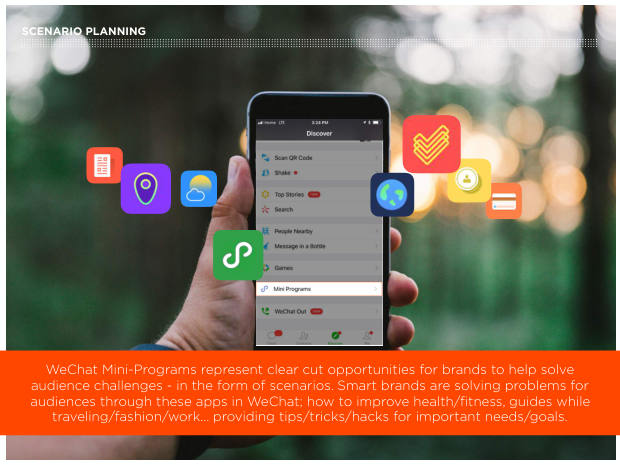
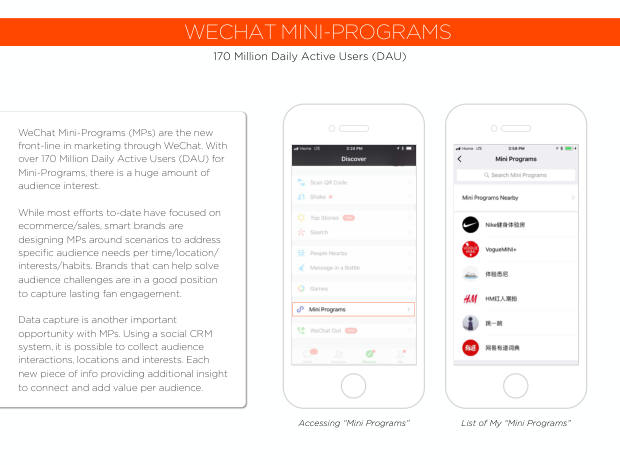
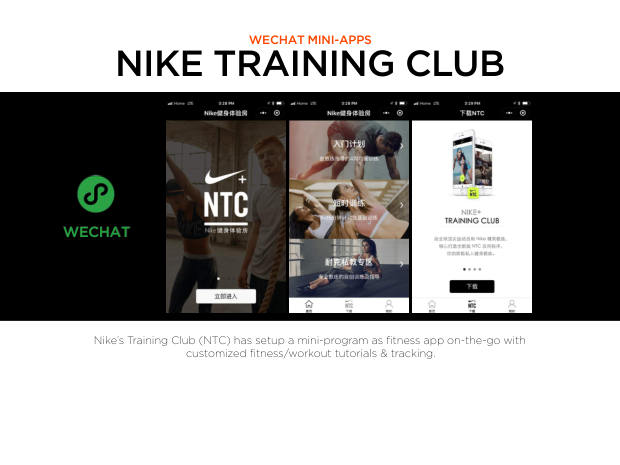
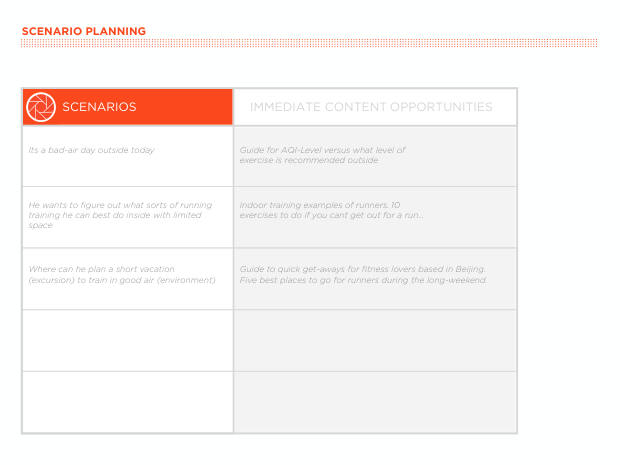
Most social channels force one-size-fits-all broadcasts, and engagement is declining. WeChat CRM lets brands tag users, build personas ("Laoban Larry," "Tina Tattoo") and stream segment-specific content, then layer scenario planning — persona × time × place × interest — to hit micro-moments, including via Mini-Programs like Nike Training Club.
The first 48 hours are decisive.
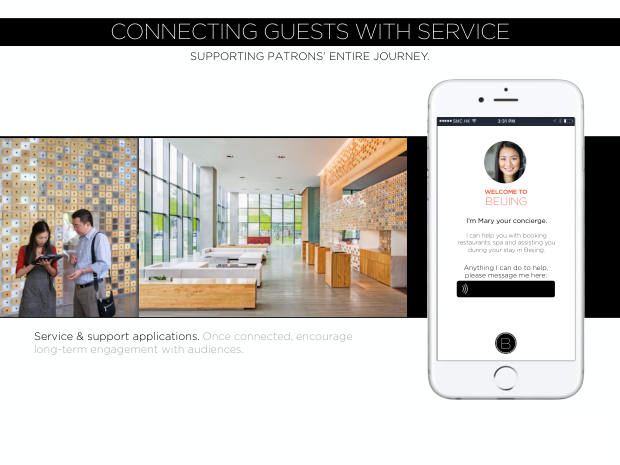
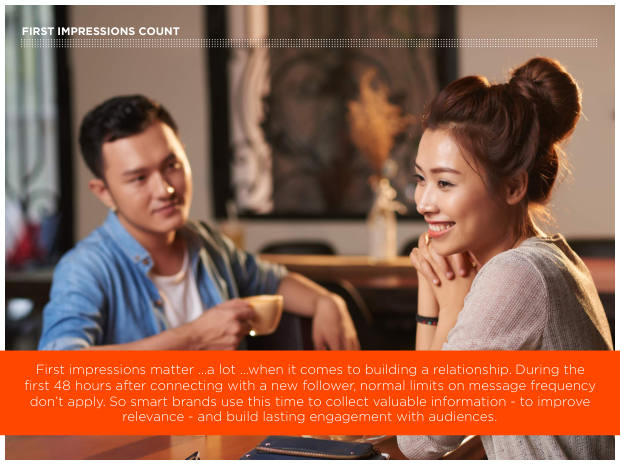
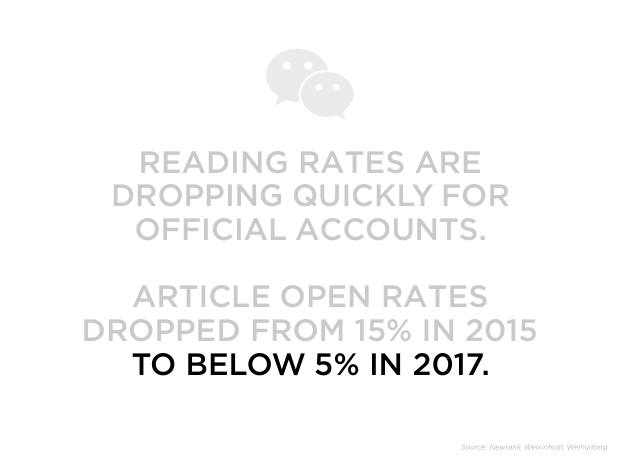
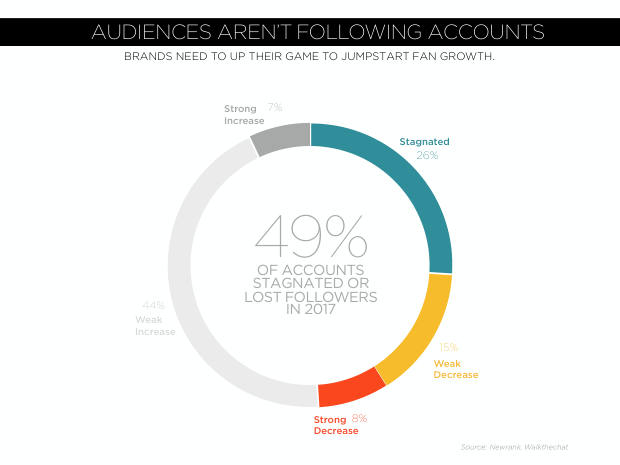
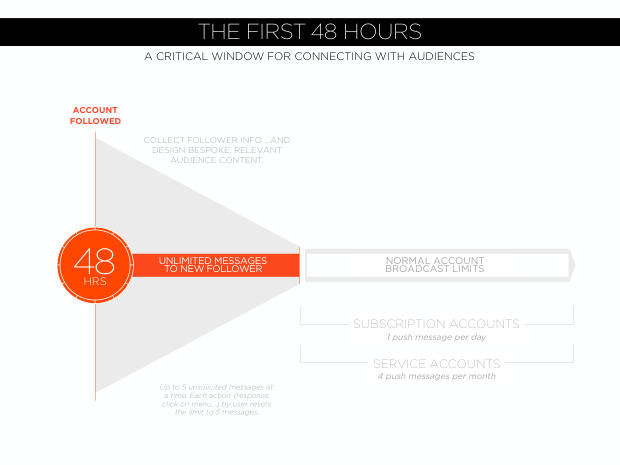
Article open rates for Official Accounts fell from 15% in 2015 to below 5% in 2017, and 49% of accounts stagnated or lost followers in 2017. But normal broadcast limits (4 pushes/month for service accounts, 1/day for subscription) lift for the first 48 hours after a follow — up to 5 unsolicited messages, with each user action resetting the allowance — a window smart brands use to collect data and build relevance.
Segmented, automated onboarding lifts the metrics.
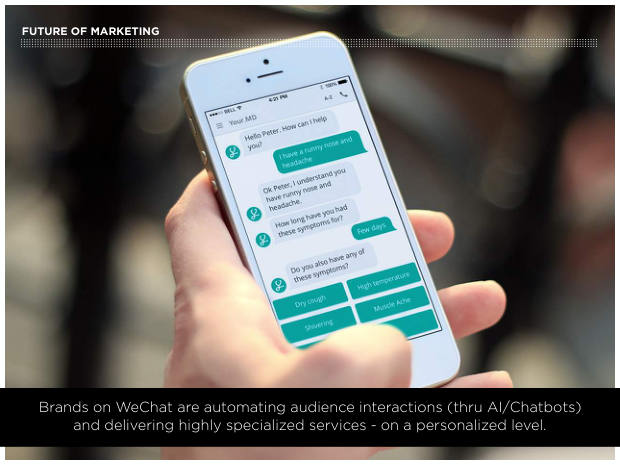
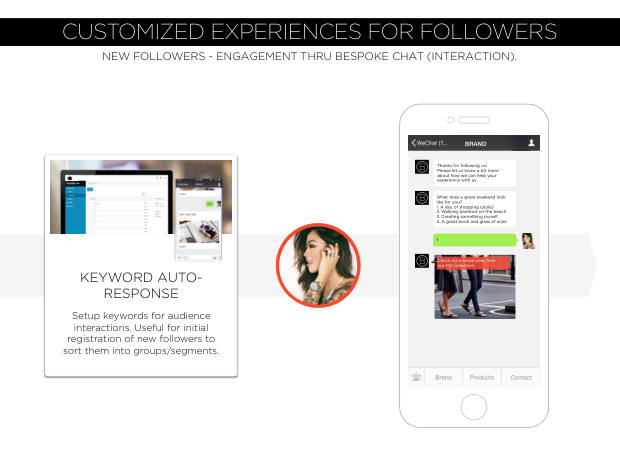
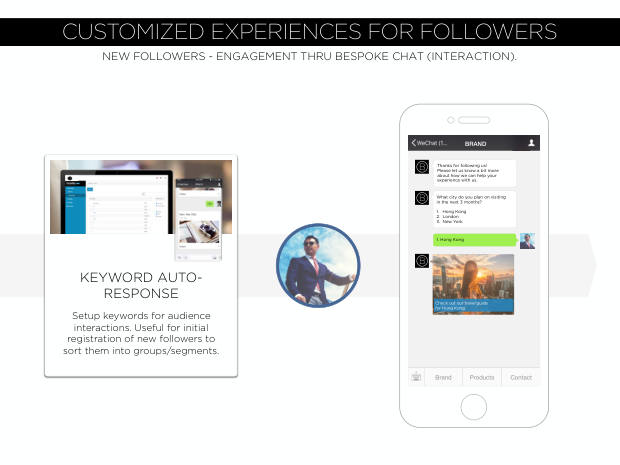
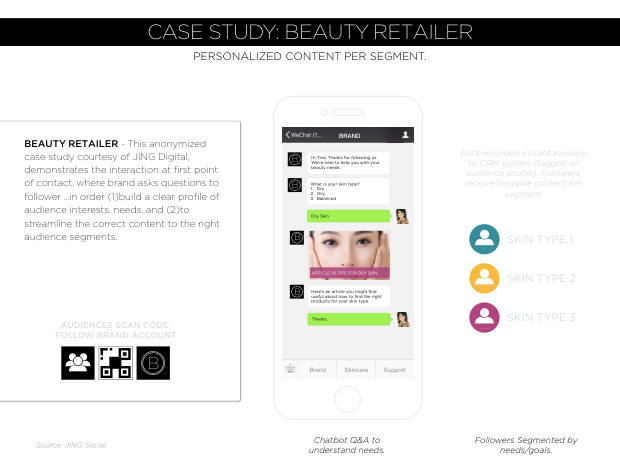
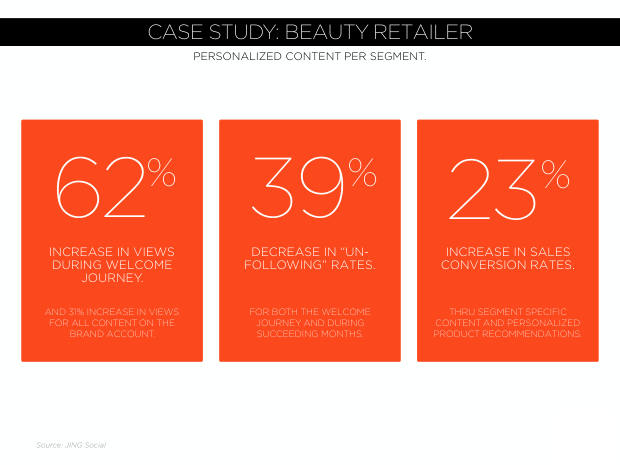
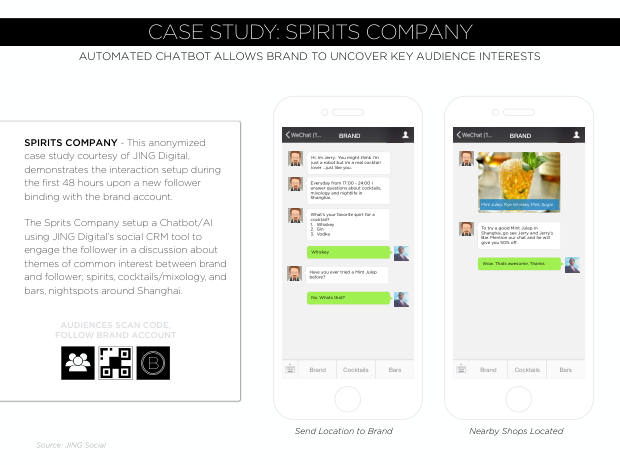
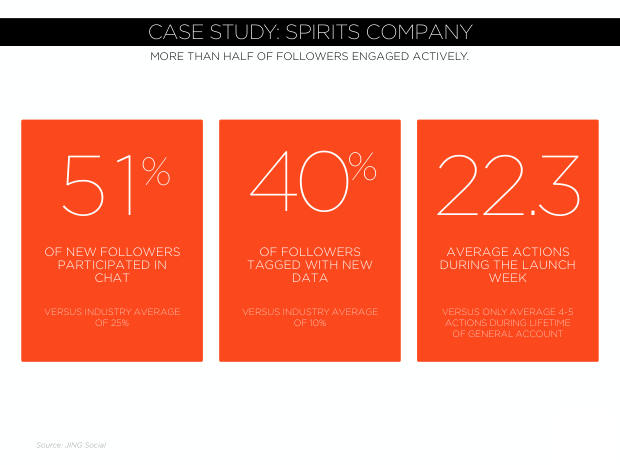
In an anonymised beauty-retailer case, a chatbot sorting new followers by skin type and serving bespoke content produced a 62% drop in un-following, a 39% rise in sales-conversion rates, and 23% more views during the welcome journey (31% across all account content). A spirits-company chatbot got more than half of new followers to actively engage, well above the ~25% industry average.
Pinduoduo shows the transformative upside of social selling.
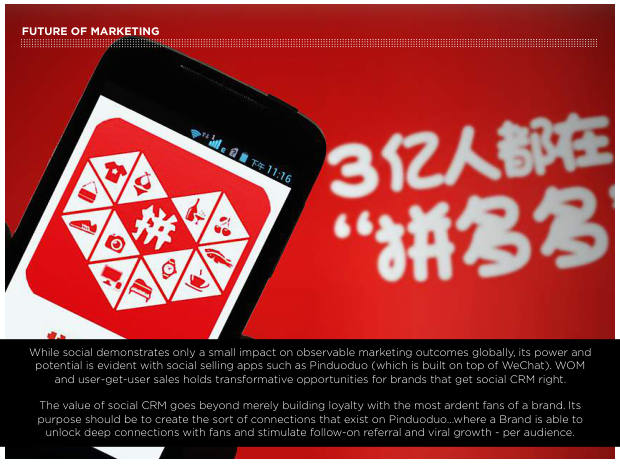
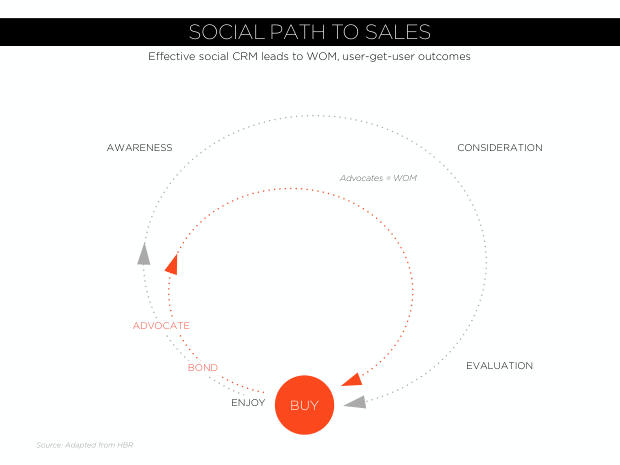
Built on top of WeChat, Pinduoduo demonstrates the viral, user-get-user, word-of-mouth potential of social CRM done right — the goal being deep fan connections that stimulate referral and viral growth per audience, not just loyalty among a brand's most ardent fans.









Why does Totem call WeChat "the future of social CRM"?
Because it unifies brand presence, social, search, payment and offline-online linkage into one ecosystem tied to real user profiles — giving brands a single customer view that Western platforms, split across services and cookies, cannot match.
How big is WeChat's reach?
900 million users spending about 34% of their mobile time in the app (70 of ~200 daily minutes), with WeChat Pay claiming 800 million registered users and China leading the US in mobile payments by more than 10x.
Can brands do CRM with WeChat alone?
No. The WeChat dashboard doesn't permanently retain user data, so a third-party social CRM system must be installed to build persistent profiles, tag users and segment audiences.
Why do the "first 48 hours" matter?
Normal messaging limits are relaxed in the 48 hours after a follow, letting brands run richer onboarding to collect data and build relevance — important when Official Account open rates have fallen below 5% and roughly half of accounts stagnated or lost followers.
What results can segmented WeChat CRM deliver?
In an anonymised beauty-retailer case study, chatbot-driven segmentation cut un-following 62%, lifted sales conversion 39%, and raised welcome-journey views 23% — with a spirits-company case getting over half of new followers to engage, versus a ~25% industry average.
A practitioner's report prepared by Totem Media on building social CRM within the WeChat ecosystem — covering real-user profiling, QR-code interaction paths, persona segmentation, scenario planning and Mini-Programs. Market and usage figures are drawn from iResearch, Forrester, eMarketer, CAICT and Tencent filings; the segmentation and "first 48 hours" case studies are anonymised examples contributed by 31Ten, JingSocial/JING Digital and MobileNow.
Get the full report
Leave your details — we'll email you the PDF and give you the download straight away.