2021 China Marketing & Media Trends: the Covid blip, and the content-commerce meld
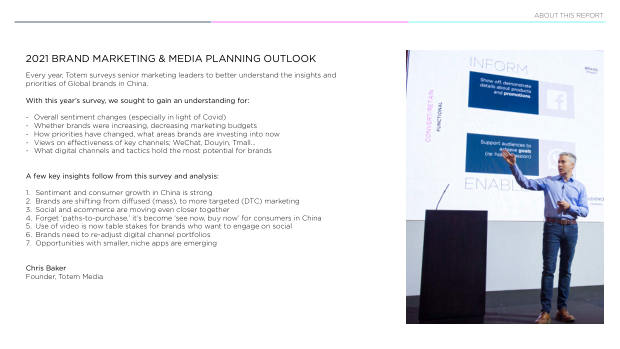
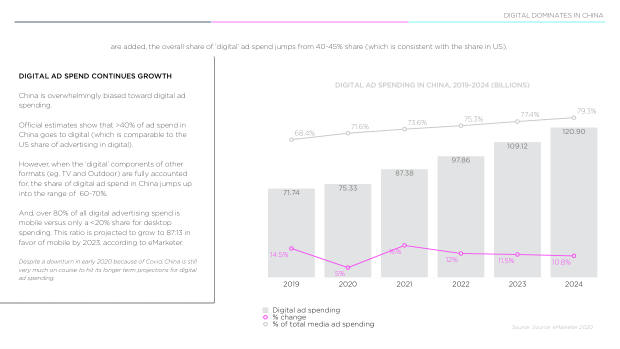
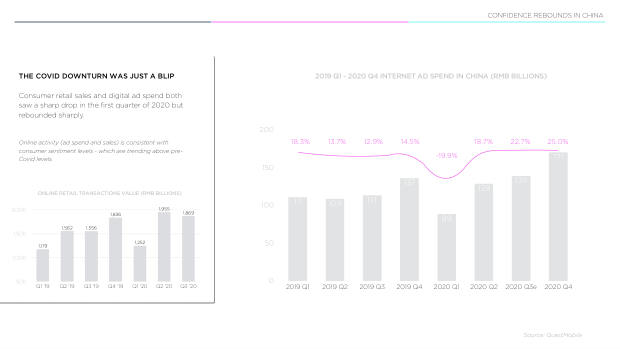
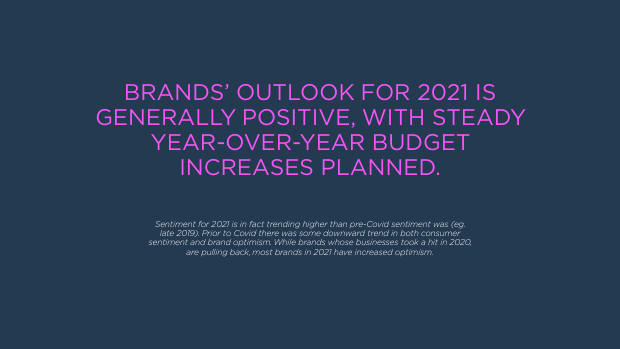
Totem's annual survey of senior marketing leaders — 71 respondents this year, all consumer-facing international brands across 12 categories — finds the 2020 Covid downturn looking, in hindsight, like a single quarterly blip. Retail sales and digital ad spend dropped sharply in Q1 2020 (online retail transactions fell 19.9%) then rebounded above pre-Covid levels, and sentiment for 2021 is trending higher than late-2019.
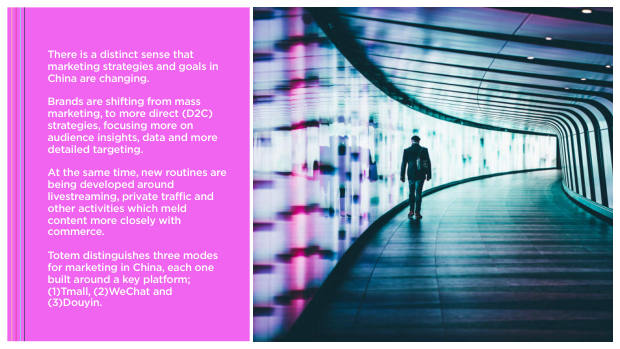
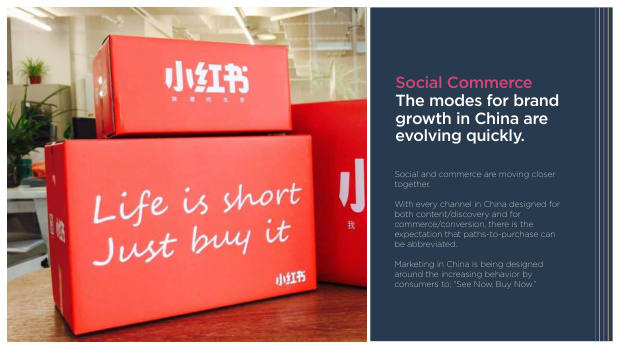
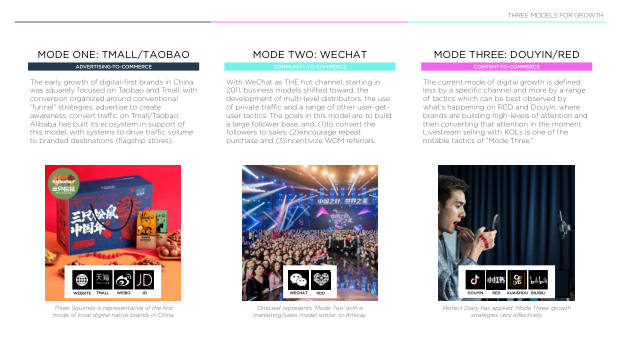
The dominant structural theme is the merging of content and commerce. Totem frames three "modes" for brand growth, each built on a holding company's platform — Tmall (advertising-to-commerce), WeChat (community-to-commerce) and Douyin/RED (content-to-commerce) — and argues brands must shift from building funnels toward converting attention to action inside each channel, the "see now, buy now" behaviour.
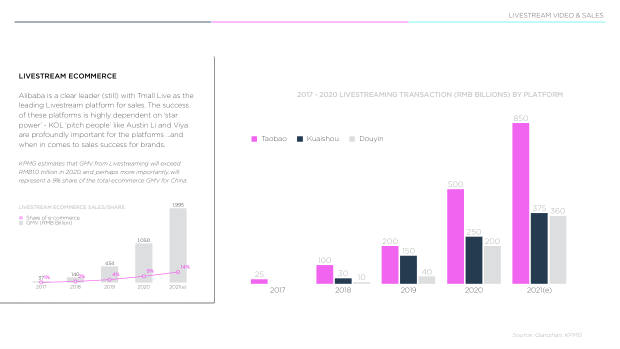
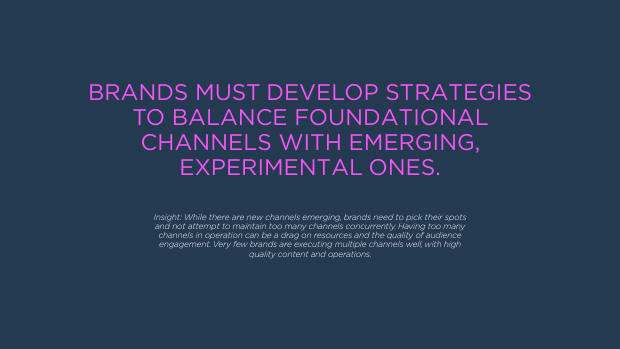
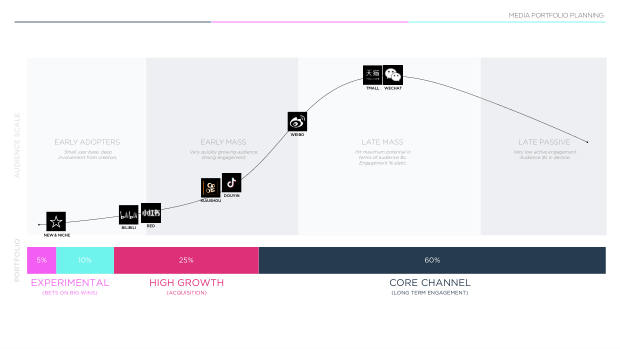
Video, and livestream in particular, has become table stakes: KPMG estimates livestream GMV exceeded RMB1.0 trillion in 2020 (a 9% share of total ecommerce GMV). Brands are also being pushed to rebalance channel portfolios as RED and Bilibili emerge as foundational, and to experiment with a long tail of niche, interest-based apps.
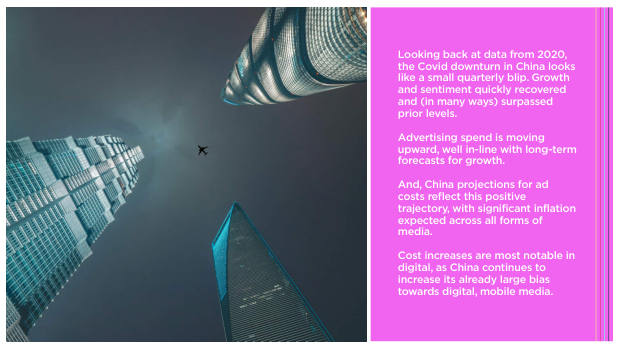
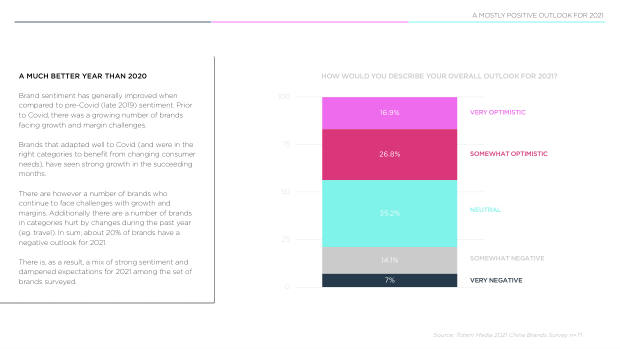
The Covid downturn was a blip, and sentiment recovered past pre-Covid levels.
Online retail and ad spend snapped back after a 19.9% Q1 2020 drop. In the survey, 16.9% of leaders were very optimistic and 26.8% somewhat optimistic for 2021; about 20% held a negative outlook, concentrated in categories hit by the year (e.g. travel).
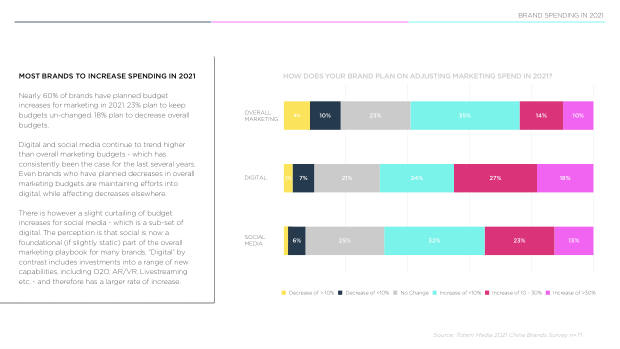
Budgets are rising, with digital and social outpacing the total.
Nearly 60% of brands planned marketing increases, 23% held flat and 18% cut. Digital continues to grow faster than overall budgets, though social — now seen as foundational but static — is seeing its increases curtailed as "digital" absorbs O2O, AR/VR and livestreaming.
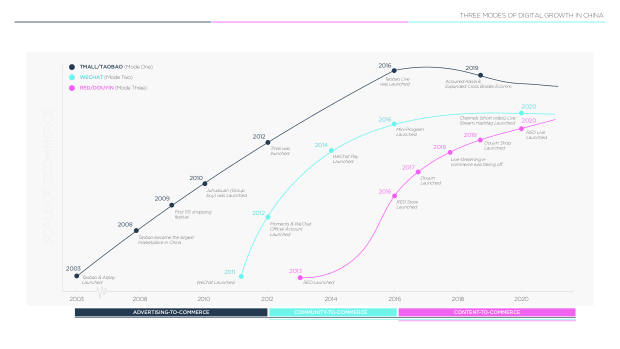
Three modes for growth, three platforms.
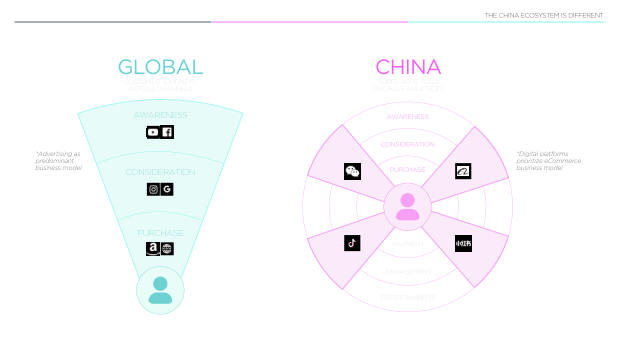
Totem maps China growth onto Tmall/Taobao (advertising-to-commerce), WeChat (community-to-commerce) and Douyin/RED (content-to-commerce). Domestic brands consistently recognise and exploit each new mode first.
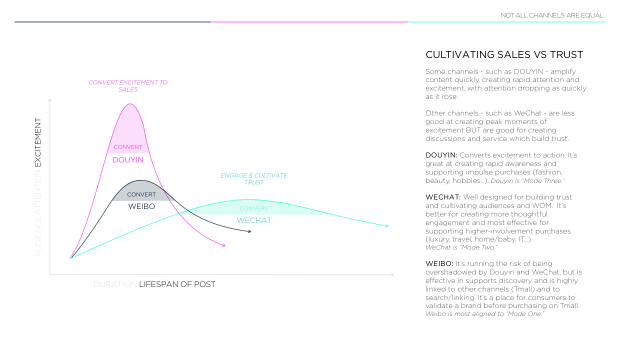
Channels aren't interchangeable — sales versus trust.
Douyin converts excitement to impulse action (fashion, beauty, hobbies); WeChat is weaker at peak excitement but better at building trust for higher-involvement purchases (luxury, travel, home/baby). Weibo supports discovery and validation ahead of a Tmall purchase.
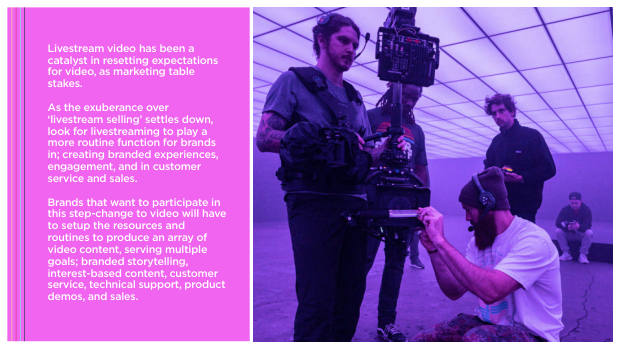
Video is table stakes; livestream matures from spectacle to routine.
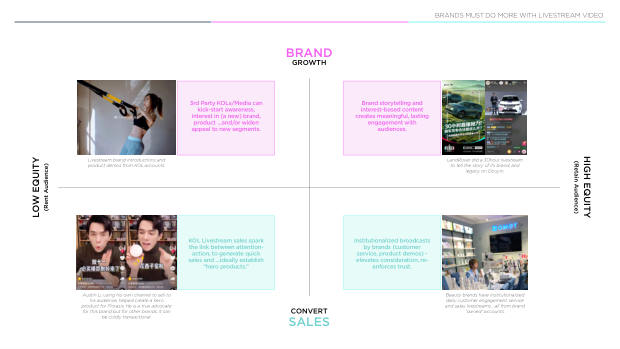
Livestream GMV reached RMB1.0 trillion in 2020 and is projected near RMB2.0 trillion (14% of ecommerce) in 2021. Brands must resource ongoing video for storytelling, service, product demos and sales — LandRover's 30-hour Douyin livestream and beauty brands' daily owned broadcasts illustrate the range.
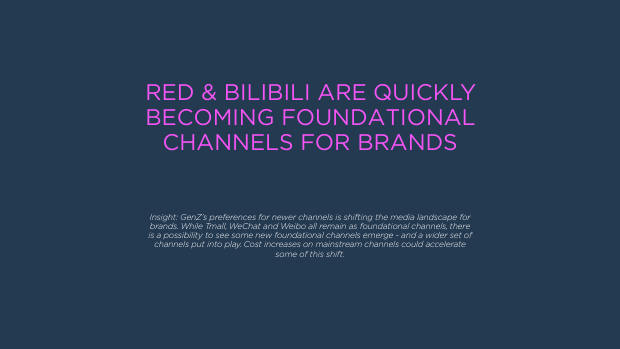
RED and Bilibili become foundational; Tmall, WeChat and Weibo stay most stable.
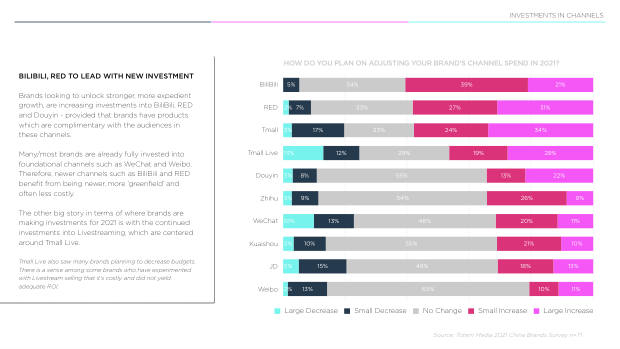
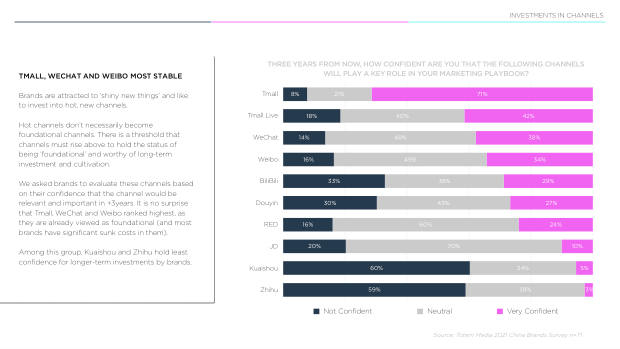
Asked which channels would still matter in three years, brands ranked Tmall, WeChat and Weibo highest (partly sunk cost), while Kuaishou and Zhihu drew least confidence. Newer, cheaper "greenfield" channels like RED and Bilibili are attracting fresh investment.
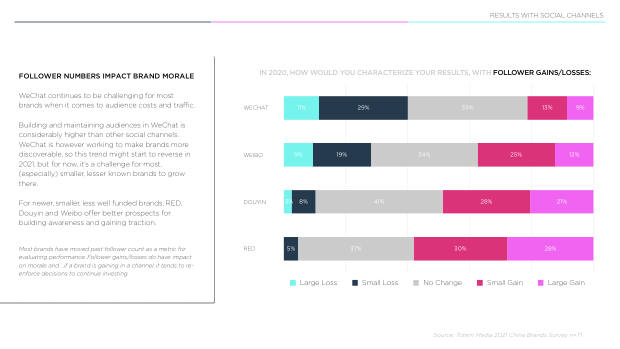
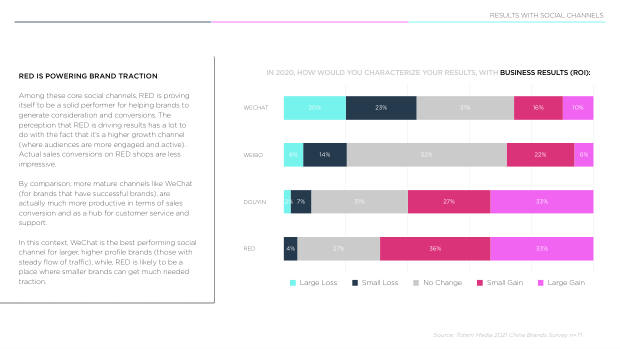
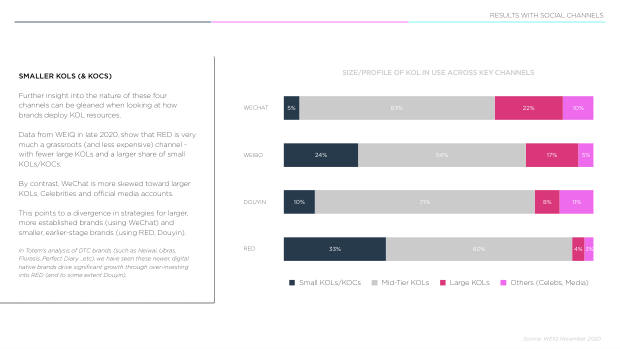
RED drives traction for smaller brands; WeChat converts for larger ones.
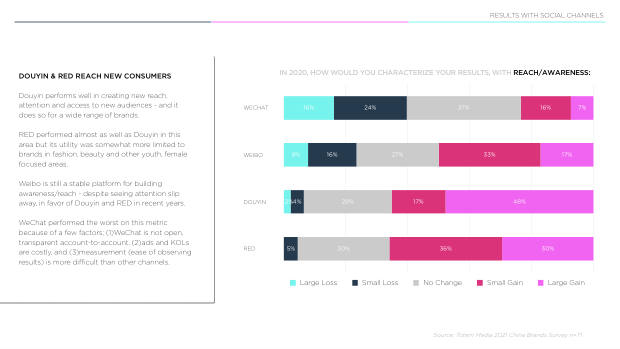
RED performs well on consideration and reach, especially for youth/female categories, but its actual sales conversion is less impressive; mature WeChat is more productive on sales and service for established brands with steady traffic.
A long tail of niche apps opens for segment targeting.
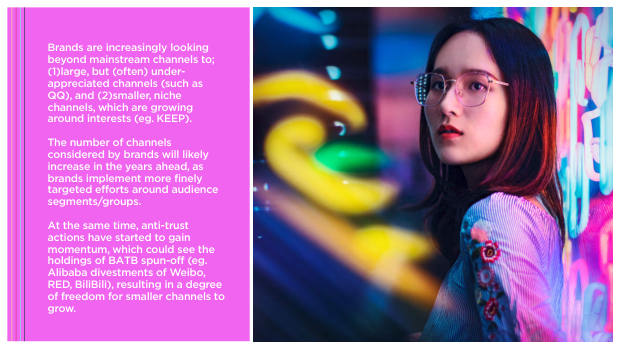
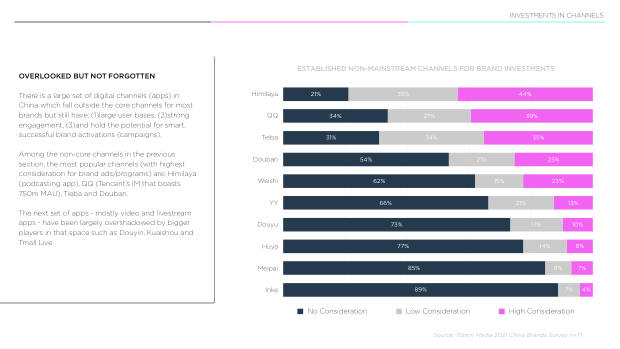
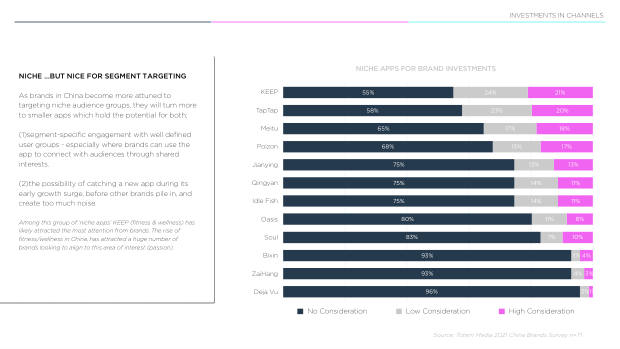
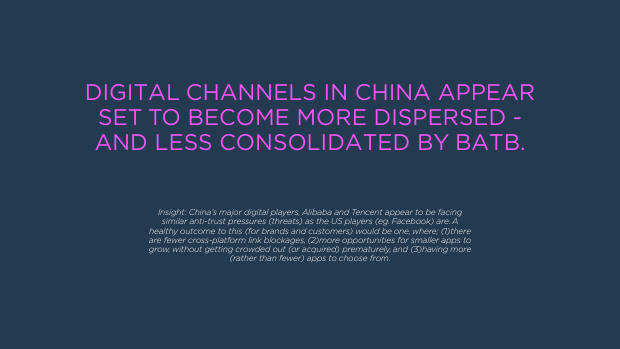
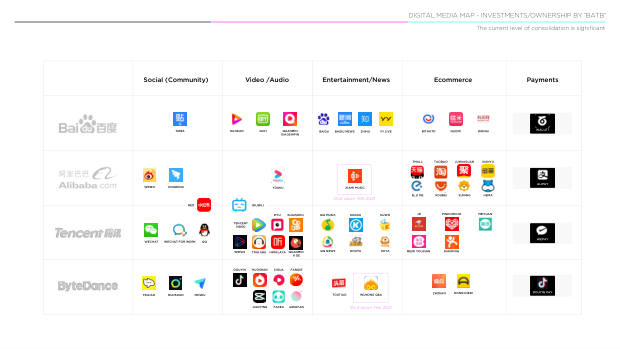
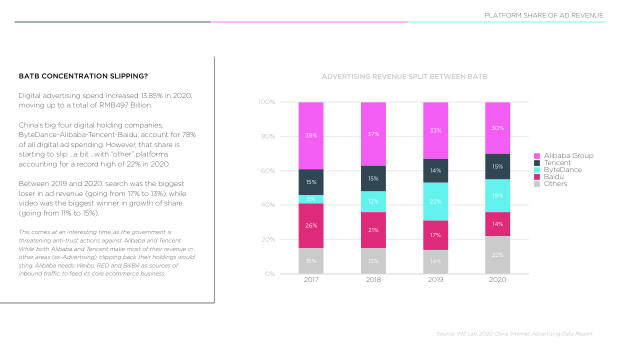
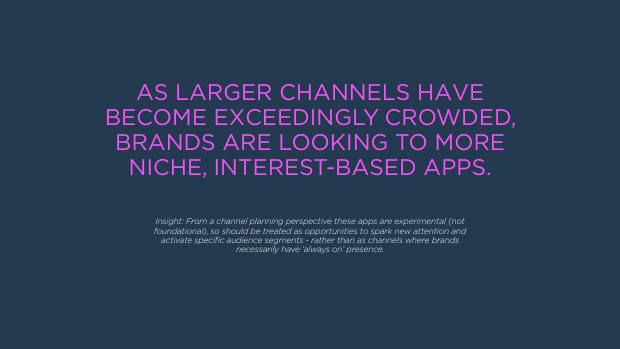
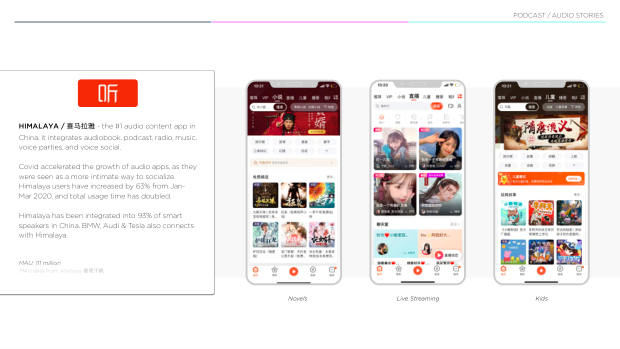
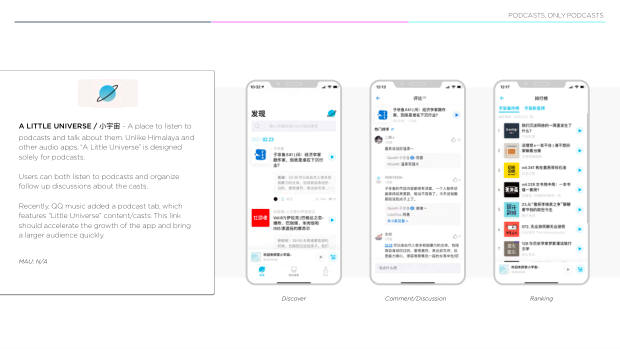
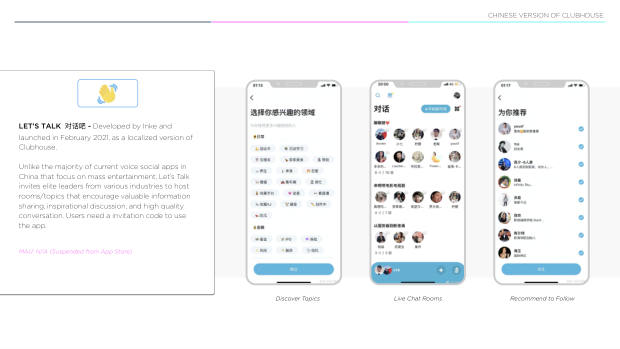
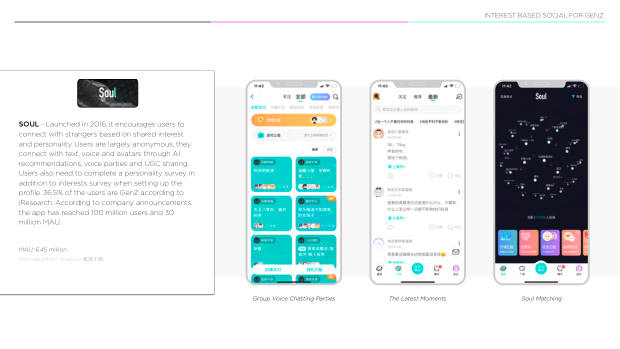
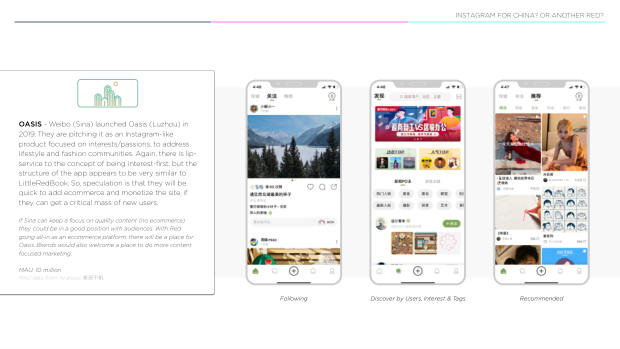
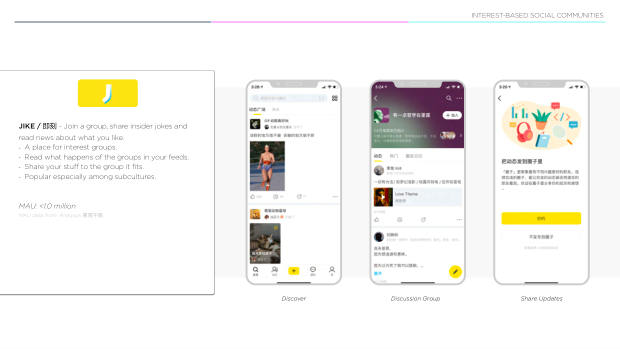
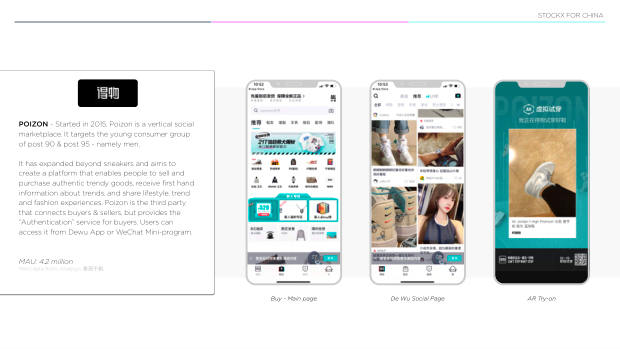
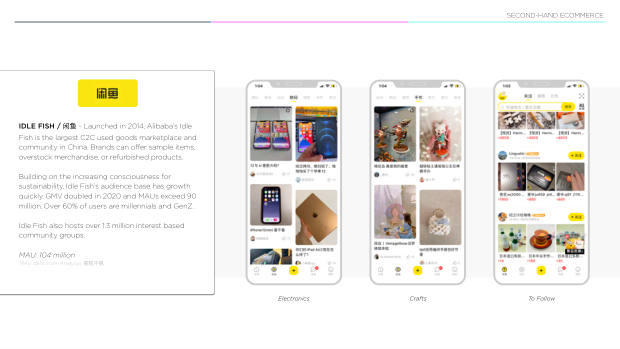
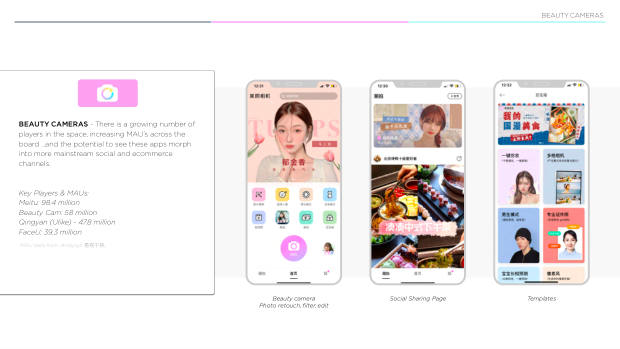
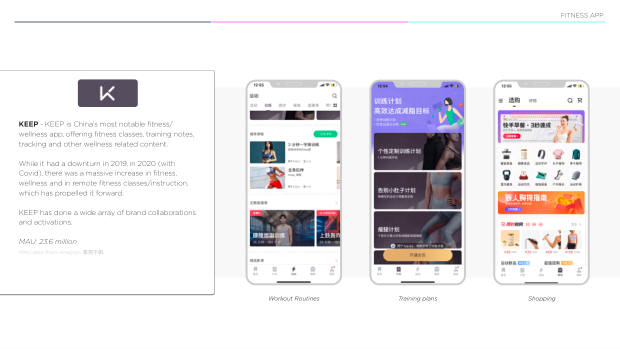
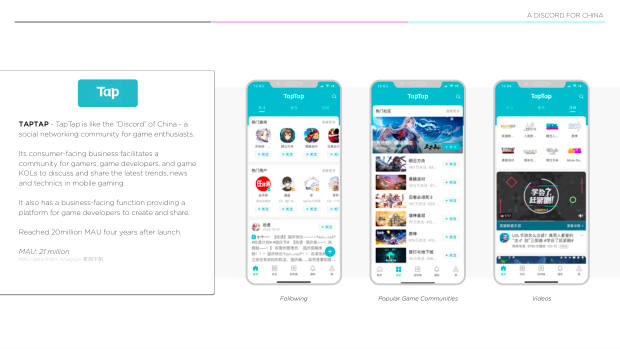
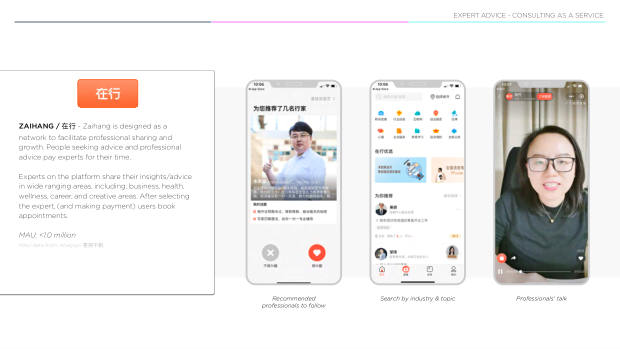
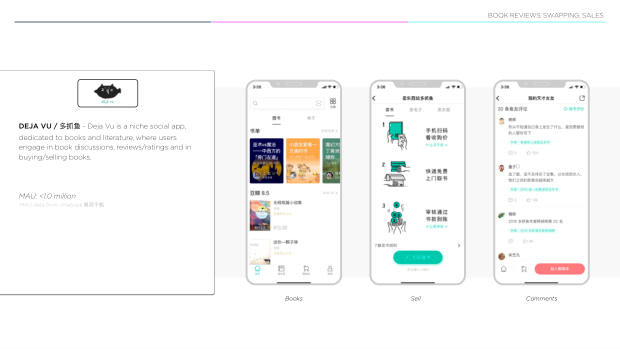
Beyond the core, brands are eyeing large-but-overlooked apps (QQ at 750M MAU, Himalaya at 111M) and interest-based apps — KEEP (fitness), Poizon, Soul, TapTap — as experimental bets, timed to catch an app's early growth before it gets crowded. Anti-trust pressure on BATB could give smaller apps room to grow.
How big was the sample, and who was surveyed?
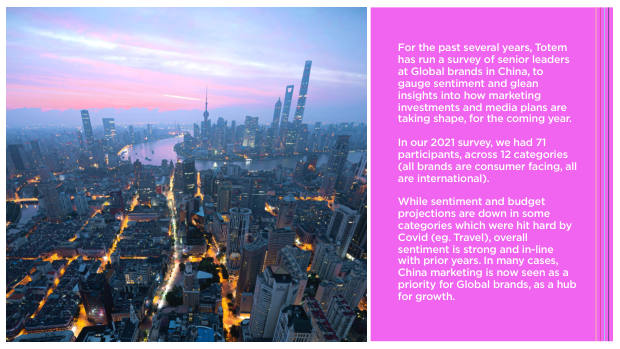
71 senior marketing leaders at international, consumer-facing brands across 12 categories, in Totem's 2021 China Brands Survey.
What was the outlook for 2021?
Broadly positive and above pre-Covid levels — roughly 44% of leaders optimistic and about 20% negative, with the negativity concentrated in Covid-hit categories like travel. Nearly 60% planned budget increases.
What does "content-commerce meld" mean for brands?
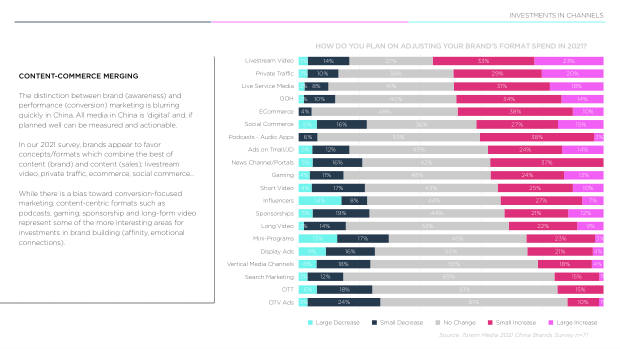
That paths-to-purchase are collapsing into single channels designed for both discovery and conversion. Brands should design for "see now, buy now" and master formats — livestream, private traffic, social commerce — that fuse brand and sales.
Which channels should brands prioritise?
Tmall, WeChat and Weibo remain foundational; RED, Bilibili and Douyin are the growth bets. Video is now mandatory, and a portfolio approach (core plus experimental niche apps) is advised — without spreading across too many channels to run well.
How large is livestream commerce?
KPMG put 2020 livestream GMV above RMB1.0 trillion, roughly 9% of China's ecommerce GMV, with Alibaba's Tmall Live leading and projections near RMB2.0 trillion for 2021.
Built on Totem's 2021 China Brands Survey (n=71) of senior leaders at international consumer-facing brands across 12 categories, covering sentiment, budgets, goals and channel plans. The survey is set against licensed market data (eMarketer, QuestMobile, KPMG, WEIQ, Analysys and others, credited per page) and Totem's own analysis of China's platform ecosystem and DTC brands.
Get the full report
Leave your details — we'll email you the PDF and give you the download straight away.