China · Report · 2018

2018 Social Marketing in China: the end of easy gains, and the shift to paid

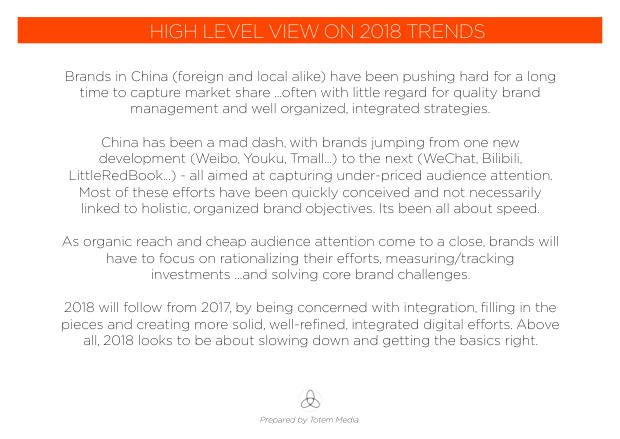
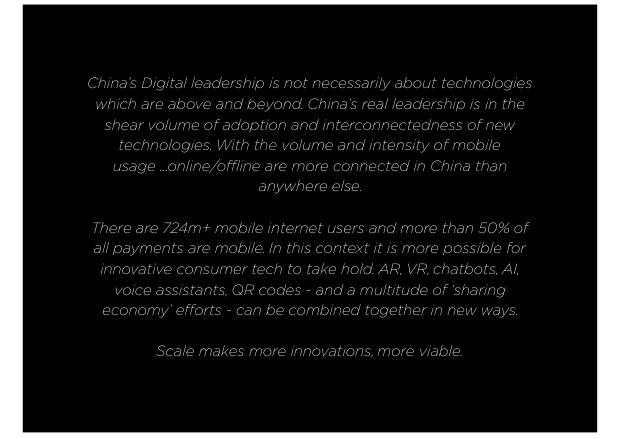
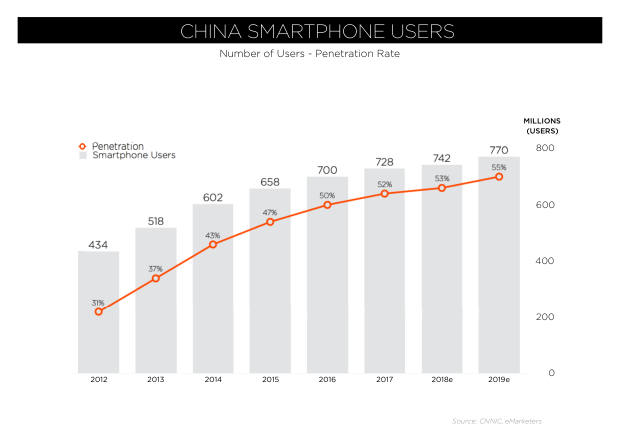
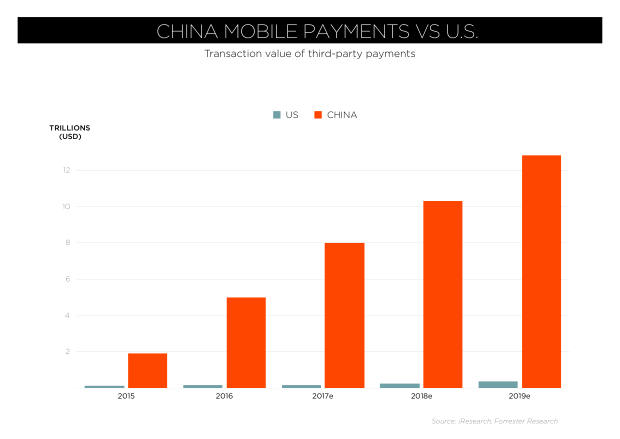
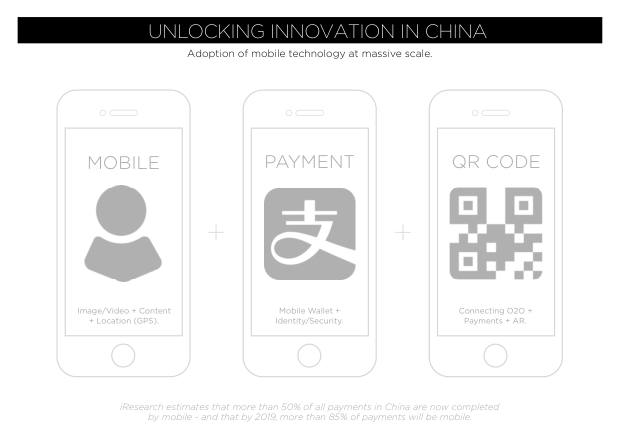
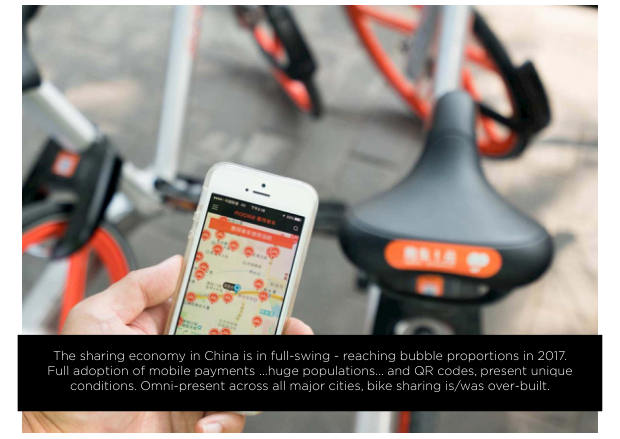
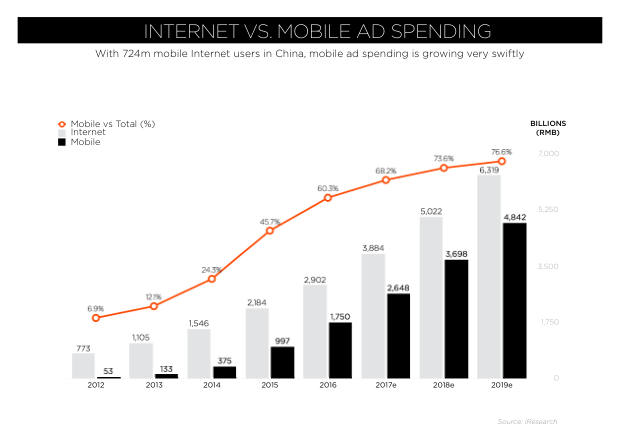
China had moved into a leadership position for digital, less through novel technology than through the sheer scale and interconnectedness of adoption: 724m+ mobile internet users, more than 50% of payments completed by mobile (projected above 85% by 2019), and an online/offline integration deeper than anywhere else. For several years brands had been in a "mad dash," jumping from Weibo to WeChat to Bilibili to RED in pursuit of under-priced attention, with little regard for integrated brand management.

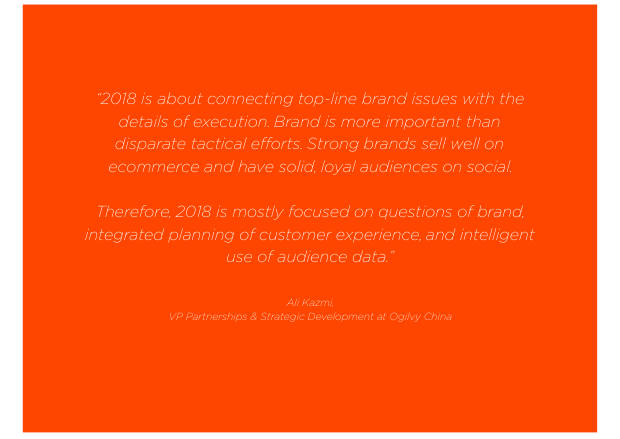
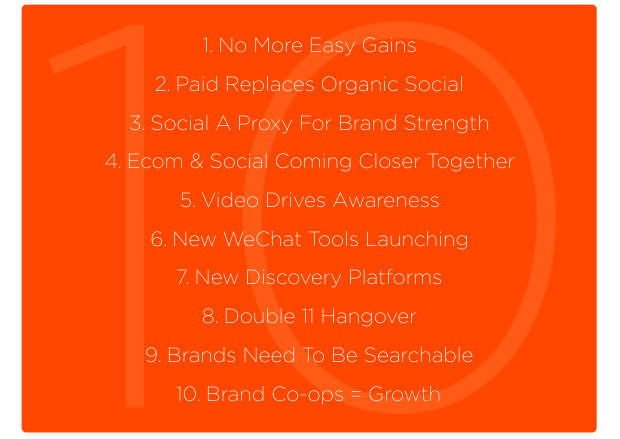
With organic reach and cheap attention closing off, Totem framed 2018 as a year to slow down and get the basics right — connecting top-line brand issues to the detail of execution, measuring investment, and building integrated digital efforts rather than disparate tactics. The report is organised around ten trends spanning content, paid media, KOLs, social-commerce integration, video, WeChat tooling, discovery platforms, Double 11, searchability and brand co-ops.

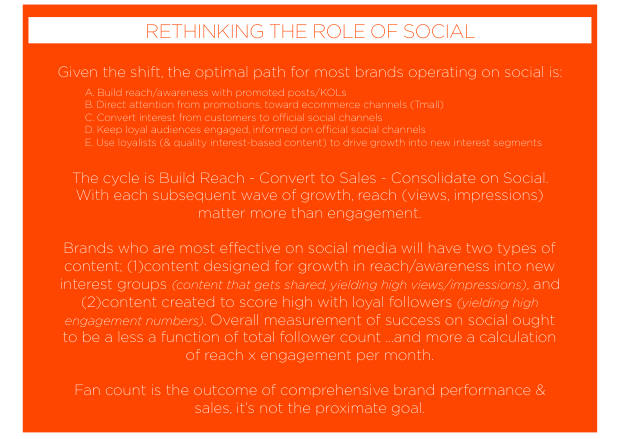
The through-line is that social had become a proxy for brand strength: the brands with the most followers were generally those with the most awareness and sales. The implication for marketers was to stop treating follower count as the goal and start managing reach and engagement as outcomes of comprehensive brand performance.

724m
mobile internet users in China
980m
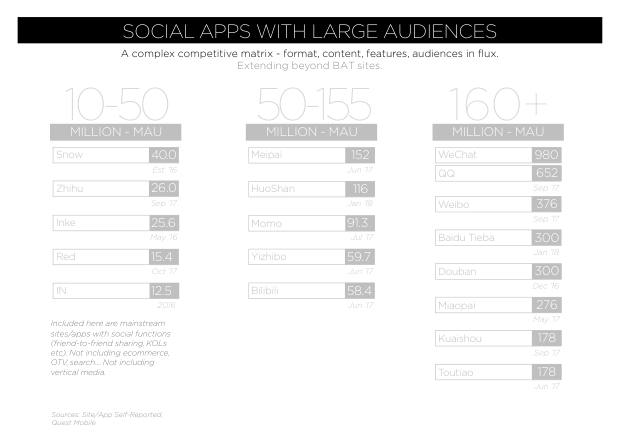
WeChat monthly active users (Sep 2017)
20m
WeChat official accounts, up 250% from 2015 to 2017
<5%
official-account reading rate in 2017, down from 15% in 2015
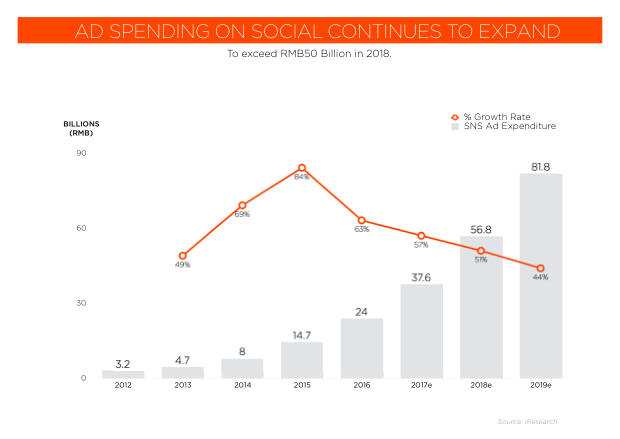
RMB50bn
projected 2018 social ad spend in China
Key findings

No more easy gains on social.

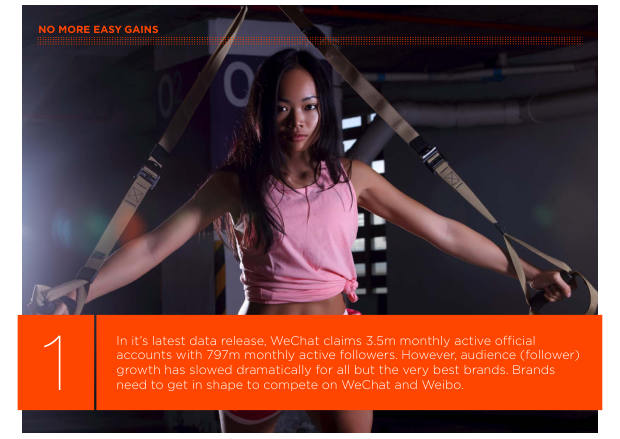
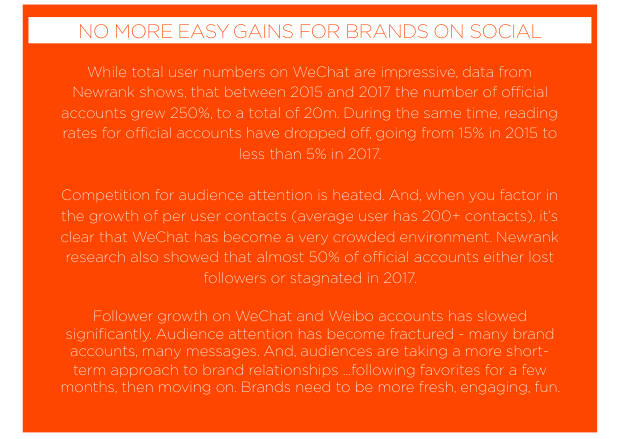
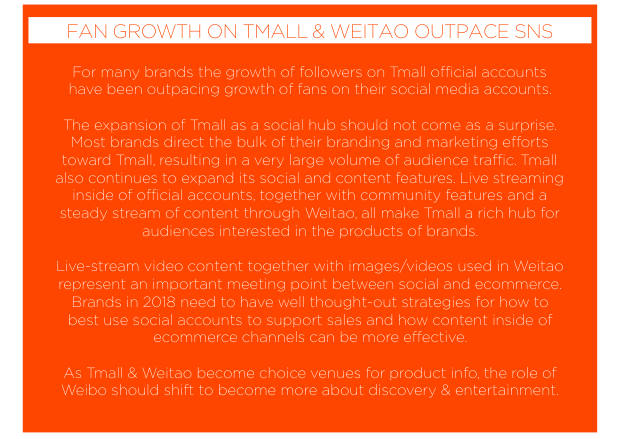
Follower growth on WeChat and Weibo slowed sharply for all but the strongest brands. Newrank data showed official accounts grew 250% to 20m between 2015 and 2017 while reading rates fell from 15% to under 5%, and almost 50% of official accounts lost followers or stagnated in 2017. With the average user holding 200+ contacts, the environment had become crowded and attention fractured.

Paid replaces organic.

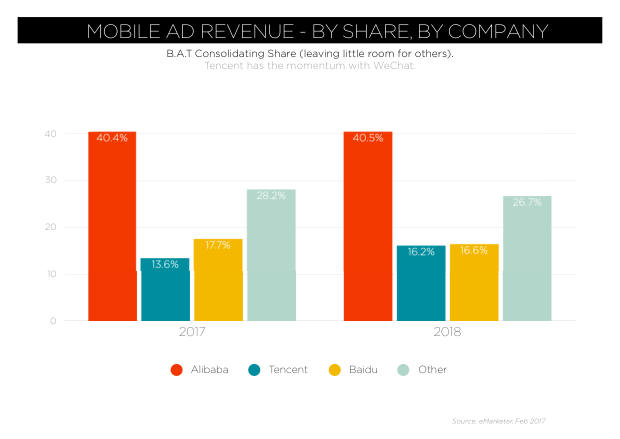
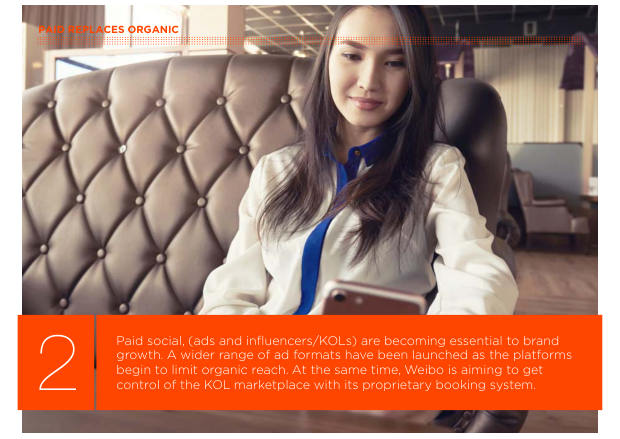
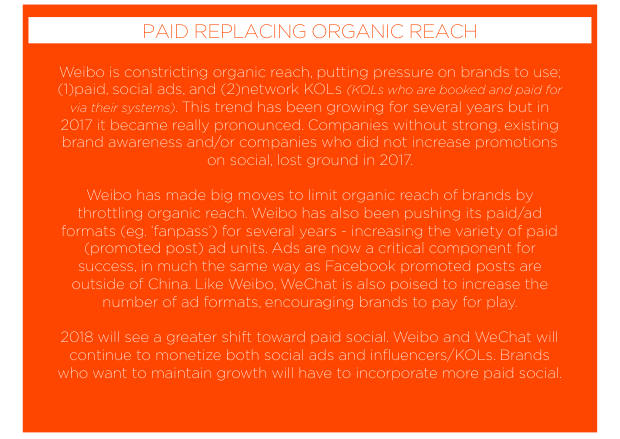
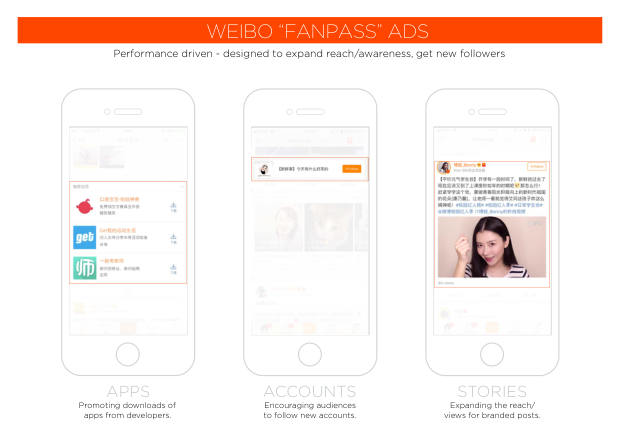
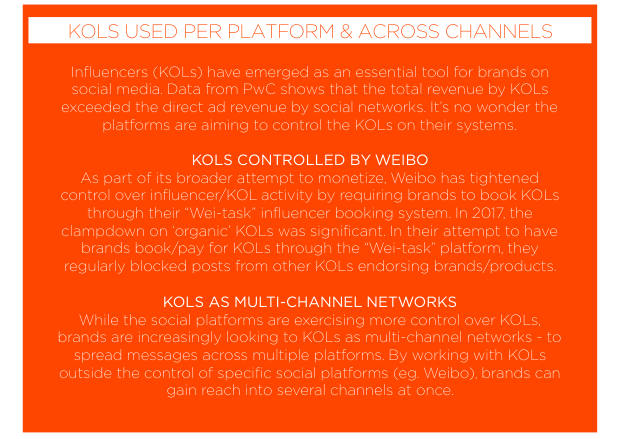
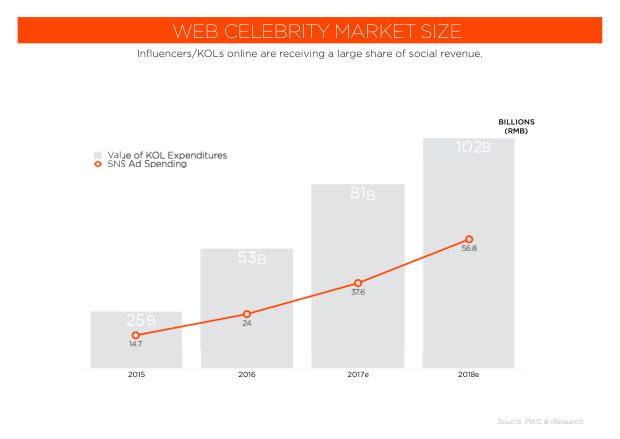
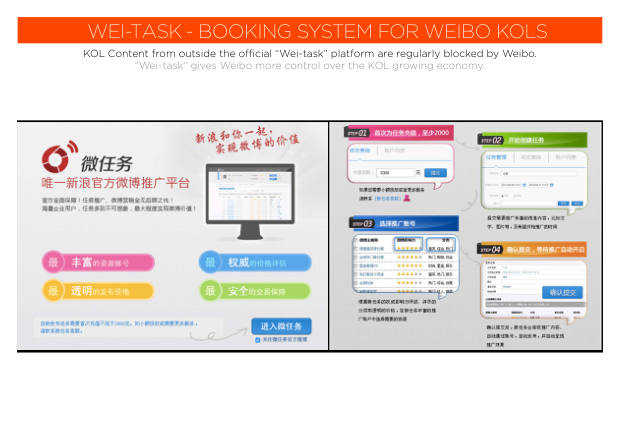
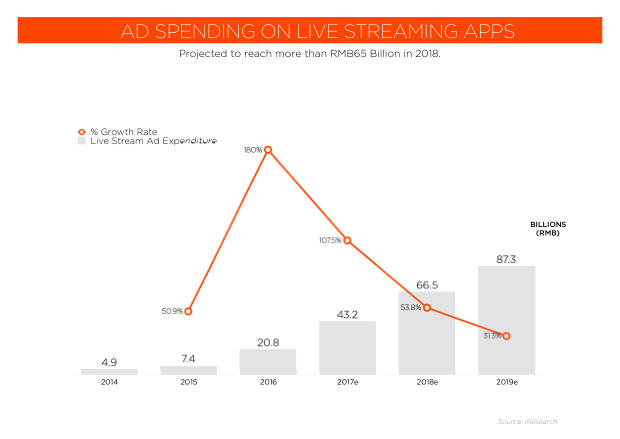
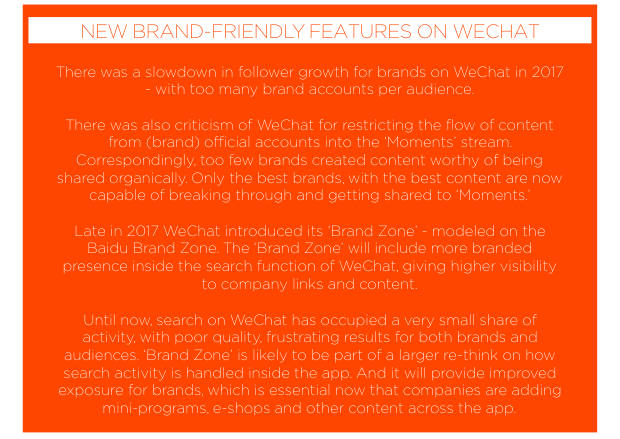
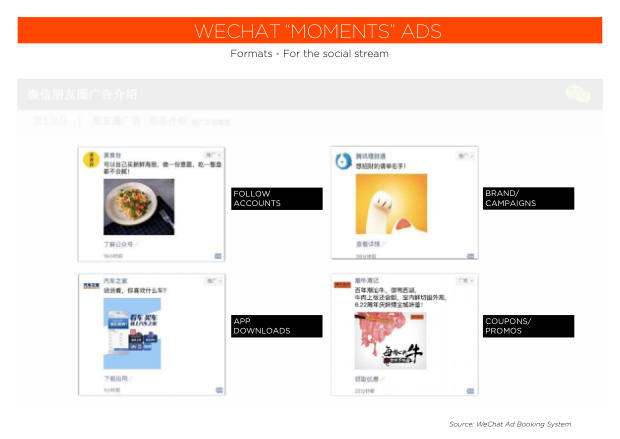
Weibo throttled organic reach and pushed brands toward its paid formats and its "Wei-task" KOL booking system, regularly blocking posts from KOLs booked outside the platform. WeChat was positioned to add ad formats too. Social ad spending was projected to exceed RMB50bn in 2018, making paid social and network KOLs essential to maintaining growth.

Social is a proxy for brand strength.

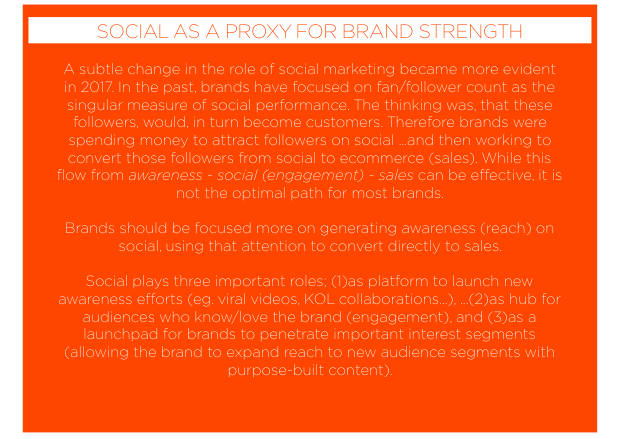
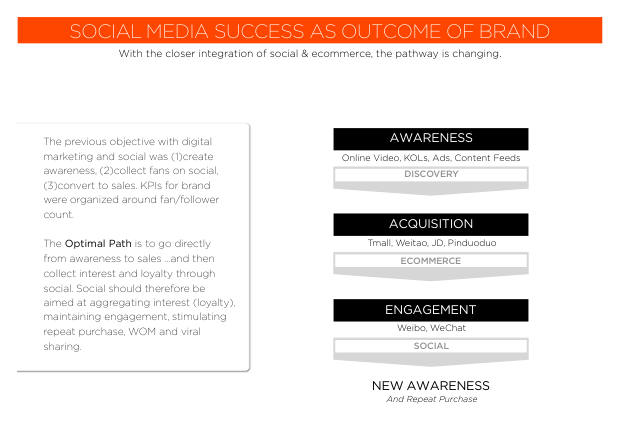
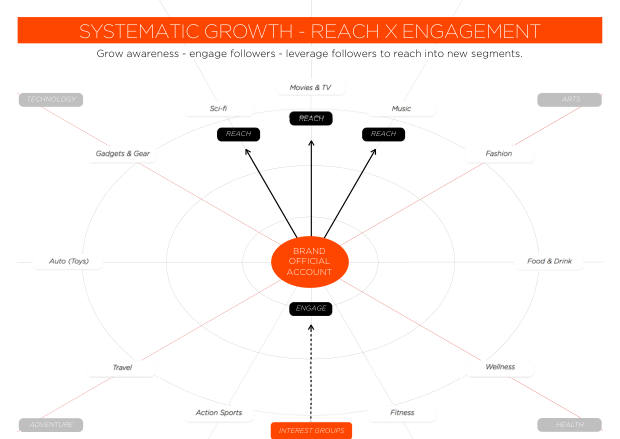
Totem argued the optimal path runs awareness to sales, then consolidates loyalty on social — rather than collecting fans first and converting later. Measurement should move from total follower count toward reach x engagement per month, treating fan count as an outcome of brand and sales performance, not the proximate goal.

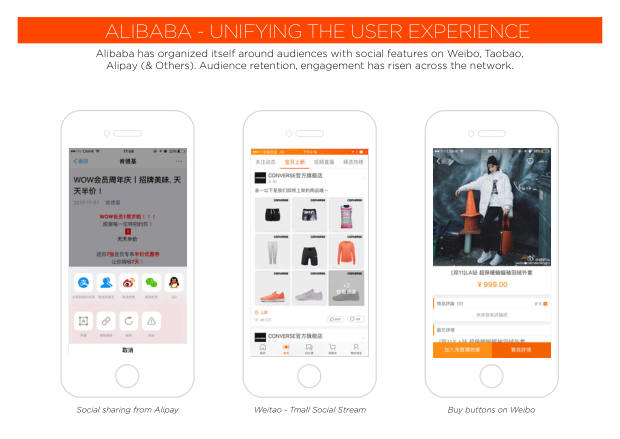
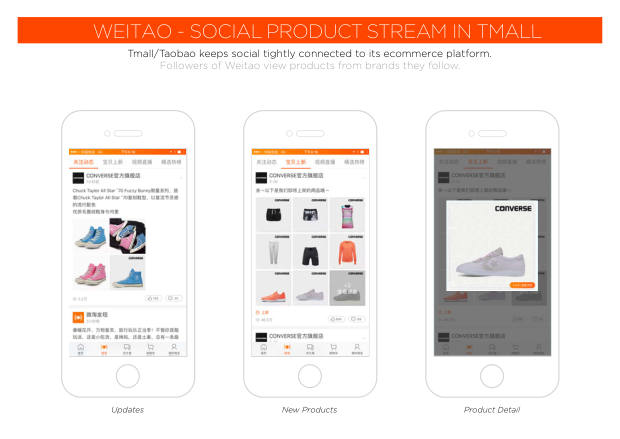
Ecommerce and social meld.

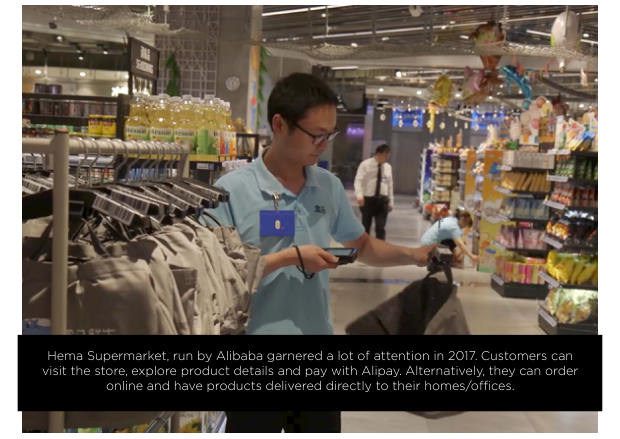
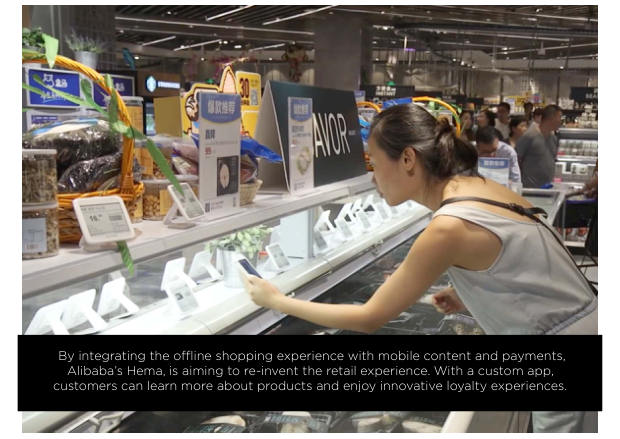
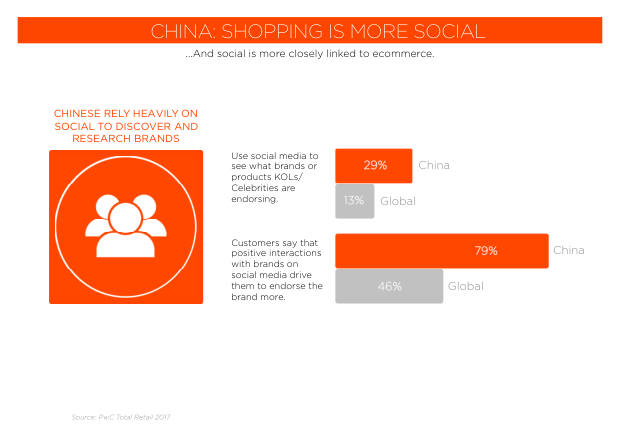
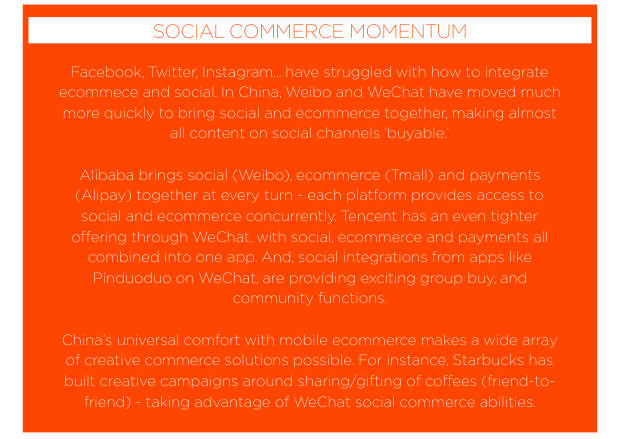
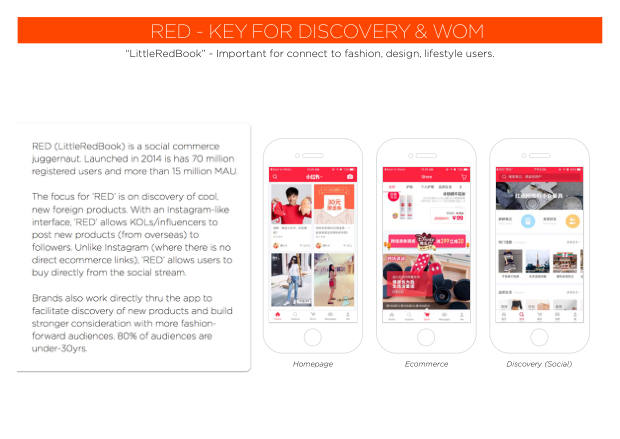
Chinese platforms fused social, ecommerce and payments far faster than Western equivalents. PwC data cited in the report showed 79% of Chinese use social media to discover and research brands versus 46% globally, and 29% versus 13% look to social for KOL/celebrity endorsements. RED, with 70m registered users and 15m MAU (80% under 30), let users buy directly from the social stream.

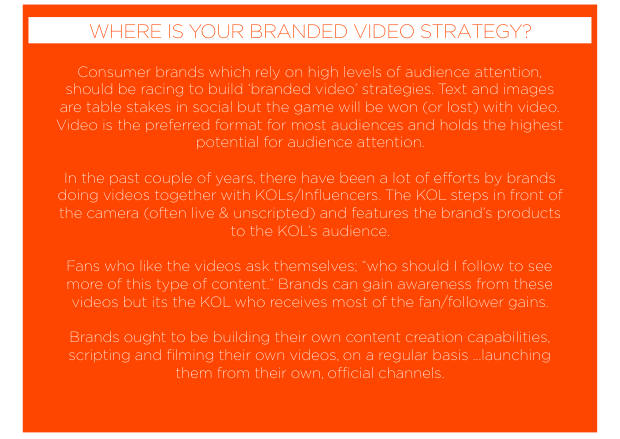
Video drives awareness.

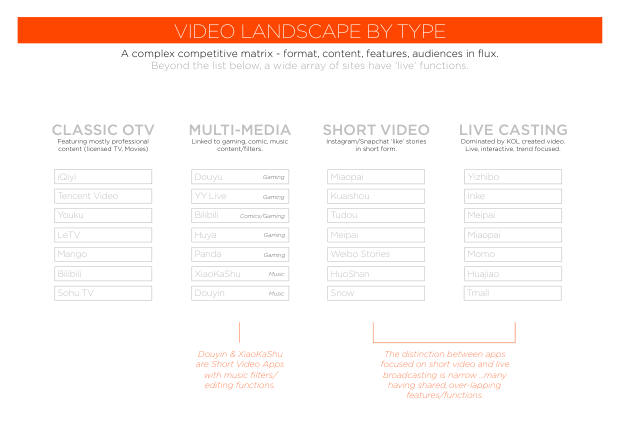
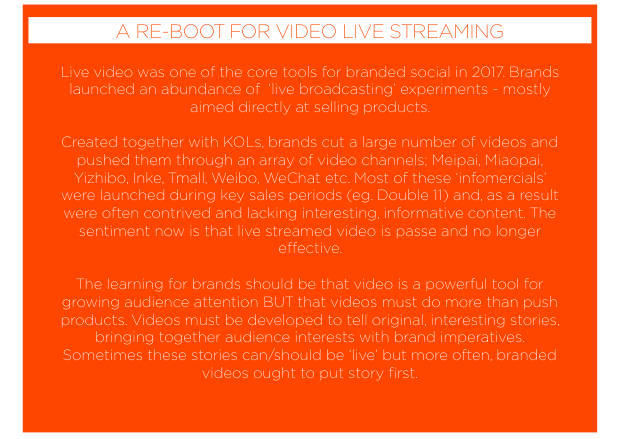
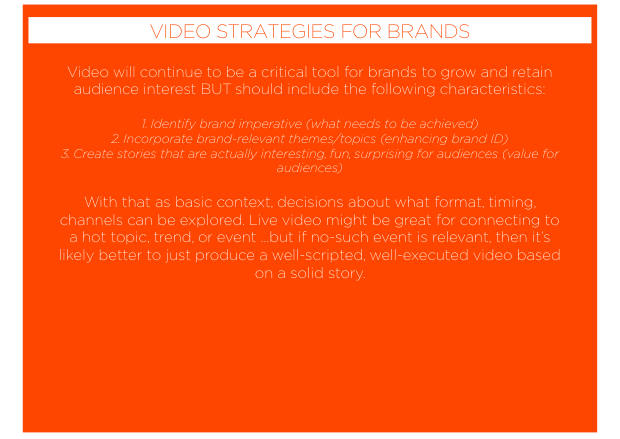
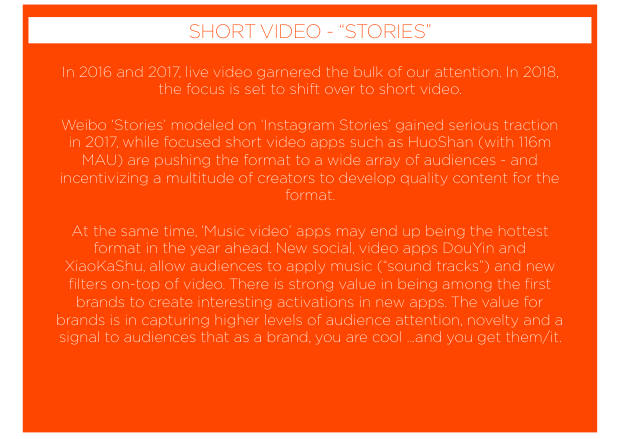
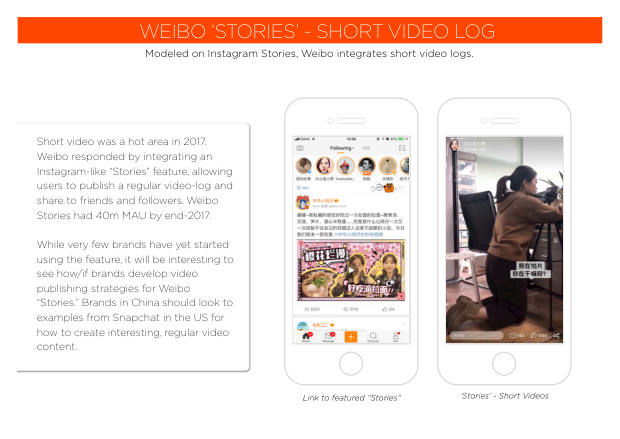
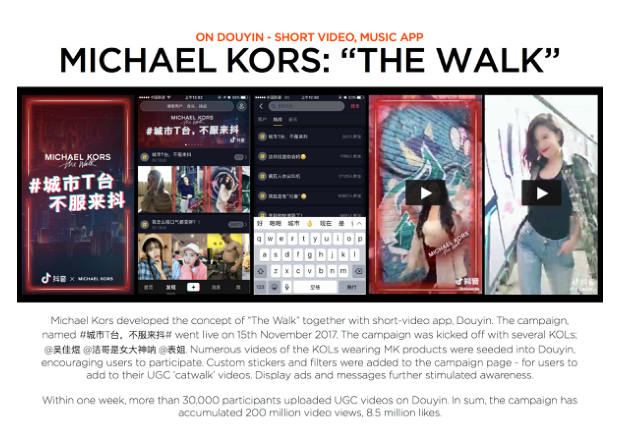
Video was identified as the single most important awareness tool, yet few brands produced quality video consistently. The report flagged a shift from live streaming toward short video and music-video apps (Douyin, XiaoKaShu). Michael Kors' "The Walk" on Douyin drew more than 30,000 UGC uploads in a week and accumulated 200m video views and 8.5m likes.

New WeChat tools.

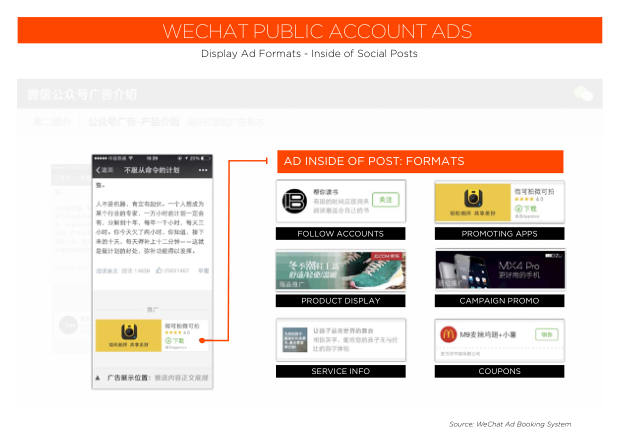
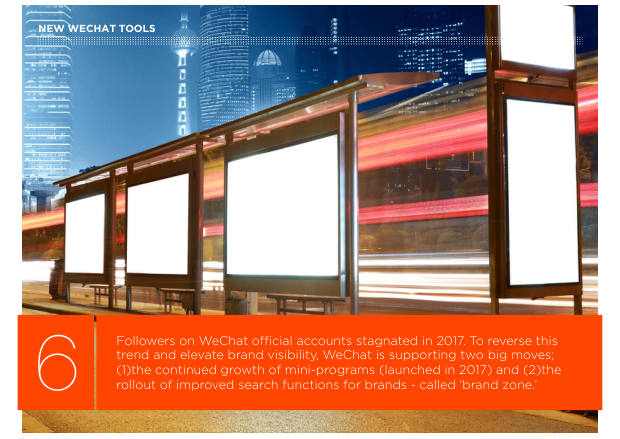
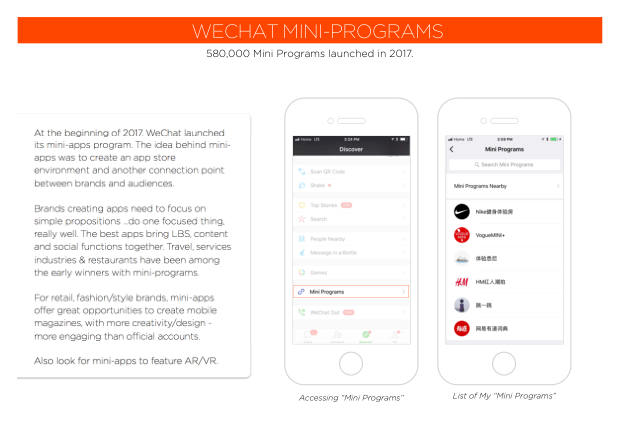
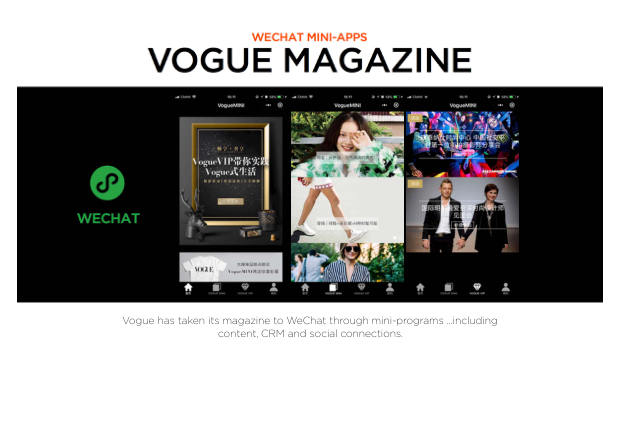
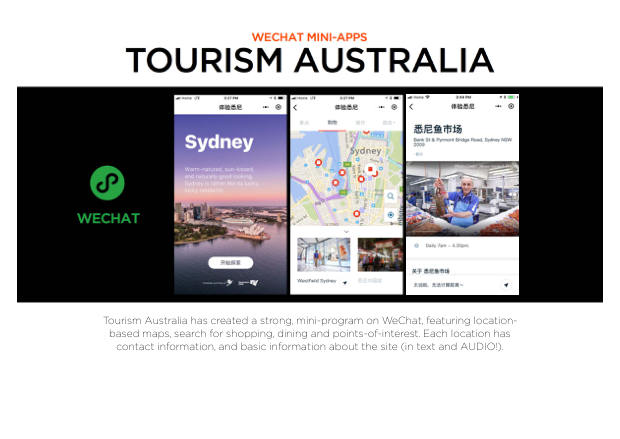
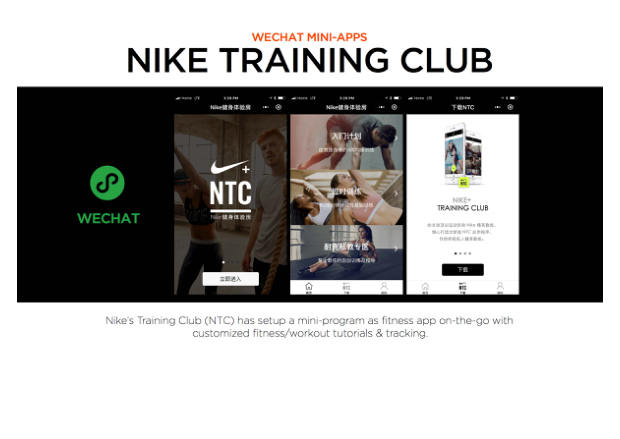
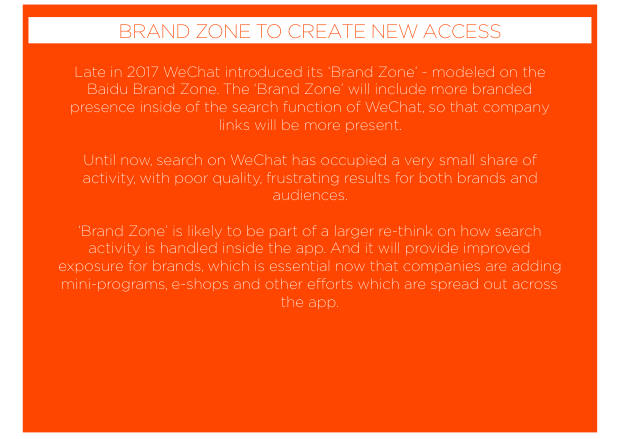
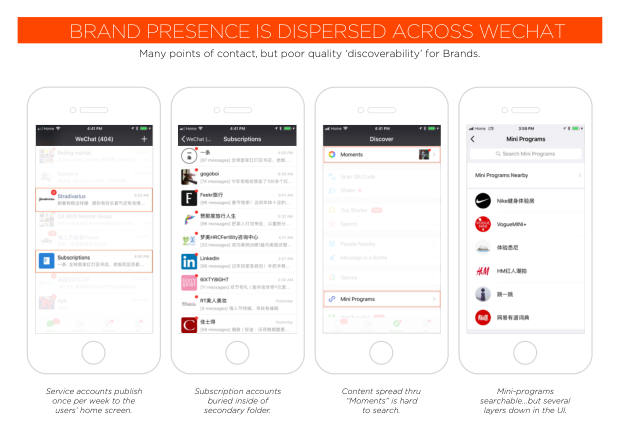
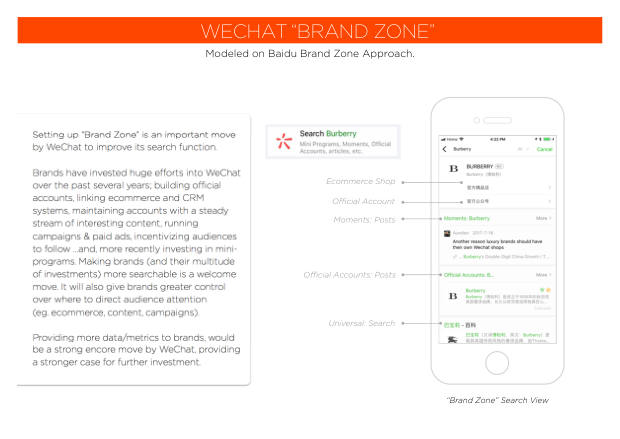
To counter stagnating follower growth, WeChat leaned on two moves: mini-programs (580,000 launched in 2017) and a Baidu-style "Brand Zone" to improve in-app search and brand discoverability across an increasingly dispersed presence of official accounts, e-shops and mini-programs.

The Double 11 hangover.

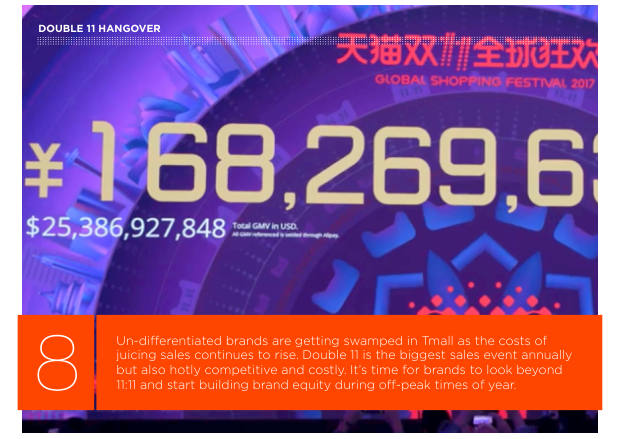
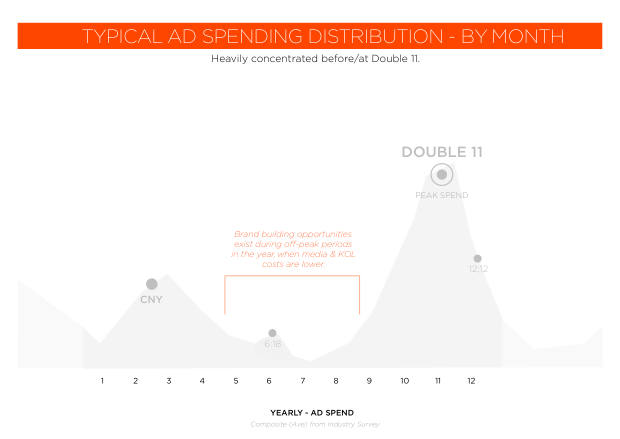
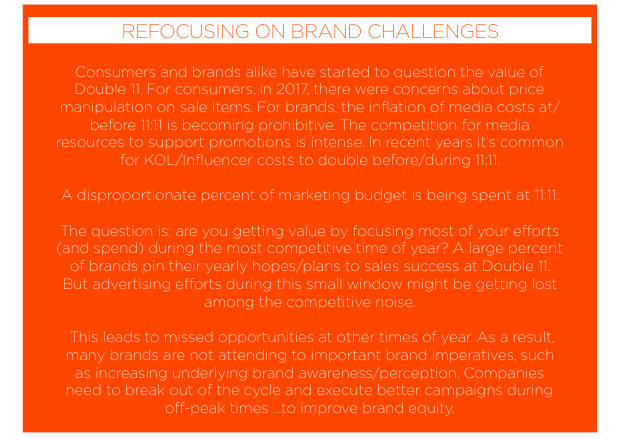
With KOL and media costs commonly doubling before 11:11, Totem warned that a disproportionate share of annual budget was being spent in the most competitive, costly window — crowding out brand-building during cheaper off-peak periods and leaving underlying awareness under-served.

Brand co-ops as a growth lever.

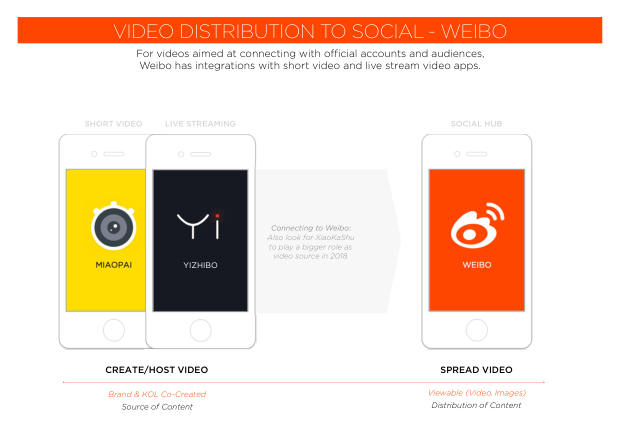
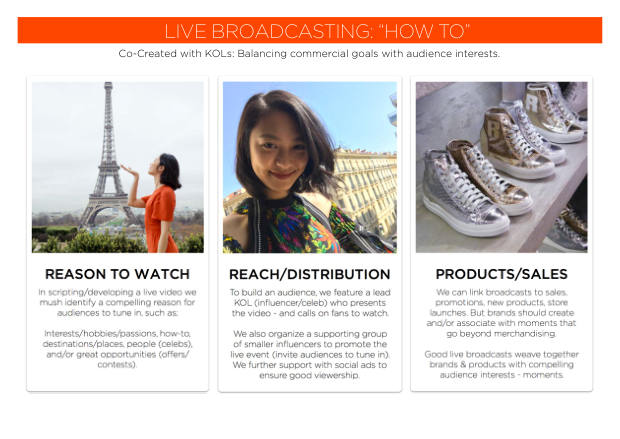
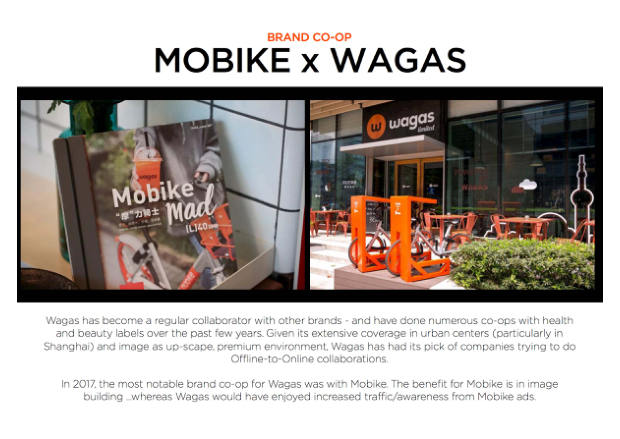
As brands grew comfortable with KOL partnerships, Totem urged co-ops with complementary brands to exchange offline for online, style for scale. The Real Techniques x Benefit video co-op, built with beauty KOL "YCC," drew 5.2m views on Weibo and over 3.2m on Miaopai.

Inside the report
2018 Social Marketing in China: the end of easy gains, and the shift to paid — page 12018 Social Marketing in China: the end of easy gains, and the shift to paid — page 22018 Social Marketing in China: the end of easy gains, and the shift to paid — page 32018 Social Marketing in China: the end of easy gains, and the shift to paid — page 42018 Social Marketing in China: the end of easy gains, and the shift to paid — page 52018 Social Marketing in China: the end of easy gains, and the shift to paid — page 62018 Social Marketing in China: the end of easy gains, and the shift to paid — page 72018 Social Marketing in China: the end of easy gains, and the shift to paid — page 82018 Social Marketing in China: the end of easy gains, and the shift to paid — page 92018 Social Marketing in China: the end of easy gains, and the shift to paid — page 102018 Social Marketing in China: the end of easy gains, and the shift to paid — page 112018 Social Marketing in China: the end of easy gains, and the shift to paid — page 122018 Social Marketing in China: the end of easy gains, and the shift to paid — page 132018 Social Marketing in China: the end of easy gains, and the shift to paid — page 142018 Social Marketing in China: the end of easy gains, and the shift to paid — page 152018 Social Marketing in China: the end of easy gains, and the shift to paid — page 162018 Social Marketing in China: the end of easy gains, and the shift to paid — page 172018 Social Marketing in China: the end of easy gains, and the shift to paid — page 182018 Social Marketing in China: the end of easy gains, and the shift to paid — page 192018 Social Marketing in China: the end of easy gains, and the shift to paid — page 202018 Social Marketing in China: the end of easy gains, and the shift to paid — page 212018 Social Marketing in China: the end of easy gains, and the shift to paid — page 222018 Social Marketing in China: the end of easy gains, and the shift to paid — page 232018 Social Marketing in China: the end of easy gains, and the shift to paid — page 242018 Social Marketing in China: the end of easy gains, and the shift to paid — page 252018 Social Marketing in China: the end of easy gains, and the shift to paid — page 262018 Social Marketing in China: the end of easy gains, and the shift to paid — page 272018 Social Marketing in China: the end of easy gains, and the shift to paid — page 282018 Social Marketing in China: the end of easy gains, and the shift to paid — page 292018 Social Marketing in China: the end of easy gains, and the shift to paid — page 302018 Social Marketing in China: the end of easy gains, and the shift to paid — page 312018 Social Marketing in China: the end of easy gains, and the shift to paid — page 322018 Social Marketing in China: the end of easy gains, and the shift to paid — page 332018 Social Marketing in China: the end of easy gains, and the shift to paid — page 342018 Social Marketing in China: the end of easy gains, and the shift to paid — page 352018 Social Marketing in China: the end of easy gains, and the shift to paid — page 362018 Social Marketing in China: the end of easy gains, and the shift to paid — page 372018 Social Marketing in China: the end of easy gains, and the shift to paid — page 382018 Social Marketing in China: the end of easy gains, and the shift to paid — page 392018 Social Marketing in China: the end of easy gains, and the shift to paid — page 402018 Social Marketing in China: the end of easy gains, and the shift to paid — page 412018 Social Marketing in China: the end of easy gains, and the shift to paid — page 422018 Social Marketing in China: the end of easy gains, and the shift to paid — page 432018 Social Marketing in China: the end of easy gains, and the shift to paid — page 442018 Social Marketing in China: the end of easy gains, and the shift to paid — page 452018 Social Marketing in China: the end of easy gains, and the shift to paid — page 462018 Social Marketing in China: the end of easy gains, and the shift to paid — page 472018 Social Marketing in China: the end of easy gains, and the shift to paid — page 482018 Social Marketing in China: the end of easy gains, and the shift to paid — page 492018 Social Marketing in China: the end of easy gains, and the shift to paid — page 502018 Social Marketing in China: the end of easy gains, and the shift to paid — page 512018 Social Marketing in China: the end of easy gains, and the shift to paid — page 522018 Social Marketing in China: the end of easy gains, and the shift to paid — page 532018 Social Marketing in China: the end of easy gains, and the shift to paid — page 542018 Social Marketing in China: the end of easy gains, and the shift to paid — page 552018 Social Marketing in China: the end of easy gains, and the shift to paid — page 562018 Social Marketing in China: the end of easy gains, and the shift to paid — page 572018 Social Marketing in China: the end of easy gains, and the shift to paid — page 582018 Social Marketing in China: the end of easy gains, and the shift to paid — page 592018 Social Marketing in China: the end of easy gains, and the shift to paid — page 602018 Social Marketing in China: the end of easy gains, and the shift to paid — page 612018 Social Marketing in China: the end of easy gains, and the shift to paid — page 622018 Social Marketing in China: the end of easy gains, and the shift to paid — page 632018 Social Marketing in China: the end of easy gains, and the shift to paid — page 642018 Social Marketing in China: the end of easy gains, and the shift to paid — page 652018 Social Marketing in China: the end of easy gains, and the shift to paid — page 662018 Social Marketing in China: the end of easy gains, and the shift to paid — page 672018 Social Marketing in China: the end of easy gains, and the shift to paid — page 682018 Social Marketing in China: the end of easy gains, and the shift to paid — page 692018 Social Marketing in China: the end of easy gains, and the shift to paid — page 702018 Social Marketing in China: the end of easy gains, and the shift to paid — page 712018 Social Marketing in China: the end of easy gains, and the shift to paid — page 722018 Social Marketing in China: the end of easy gains, and the shift to paid — page 732018 Social Marketing in China: the end of easy gains, and the shift to paid — page 742018 Social Marketing in China: the end of easy gains, and the shift to paid — page 752018 Social Marketing in China: the end of easy gains, and the shift to paid — page 762018 Social Marketing in China: the end of easy gains, and the shift to paid — page 772018 Social Marketing in China: the end of easy gains, and the shift to paid — page 782018 Social Marketing in China: the end of easy gains, and the shift to paid — page 792018 Social Marketing in China: the end of easy gains, and the shift to paid — page 802018 Social Marketing in China: the end of easy gains, and the shift to paid — page 812018 Social Marketing in China: the end of easy gains, and the shift to paid — page 822018 Social Marketing in China: the end of easy gains, and the shift to paid — page 832018 Social Marketing in China: the end of easy gains, and the shift to paid — page 842018 Social Marketing in China: the end of easy gains, and the shift to paid — page 852018 Social Marketing in China: the end of easy gains, and the shift to paid — page 862018 Social Marketing in China: the end of easy gains, and the shift to paid — page 872018 Social Marketing in China: the end of easy gains, and the shift to paid — page 882018 Social Marketing in China: the end of easy gains, and the shift to paid — page 892018 Social Marketing in China: the end of easy gains, and the shift to paid — page 902018 Social Marketing in China: the end of easy gains, and the shift to paid — page 912018 Social Marketing in China: the end of easy gains, and the shift to paid — page 922018 Social Marketing in China: the end of easy gains, and the shift to paid — page 932018 Social Marketing in China: the end of easy gains, and the shift to paid — page 942018 Social Marketing in China: the end of easy gains, and the shift to paid — page 952018 Social Marketing in China: the end of easy gains, and the shift to paid — page 962018 Social Marketing in China: the end of easy gains, and the shift to paid — page 972018 Social Marketing in China: the end of easy gains, and the shift to paid — page 982018 Social Marketing in China: the end of easy gains, and the shift to paid — page 992018 Social Marketing in China: the end of easy gains, and the shift to paid — page 1002018 Social Marketing in China: the end of easy gains, and the shift to paid — page 1012018 Social Marketing in China: the end of easy gains, and the shift to paid — page 1022018 Social Marketing in China: the end of easy gains, and the shift to paid — page 1032018 Social Marketing in China: the end of easy gains, and the shift to paid — page 1042018 Social Marketing in China: the end of easy gains, and the shift to paid — page 1052018 Social Marketing in China: the end of easy gains, and the shift to paid — page 1062018 Social Marketing in China: the end of easy gains, and the shift to paid — page 1072018 Social Marketing in China: the end of easy gains, and the shift to paid — page 1082018 Social Marketing in China: the end of easy gains, and the shift to paid — page 1092018 Social Marketing in China: the end of easy gains, and the shift to paid — page 1102018 Social Marketing in China: the end of easy gains, and the shift to paid — page 1112018 Social Marketing in China: the end of easy gains, and the shift to paid — page 1122018 Social Marketing in China: the end of easy gains, and the shift to paid — page 113
Questions this report answers

What was the headline shift in China social marketing for 2018?

The end of easy organic gains. Official accounts had grown 250% to 20m while reading rates fell below 5%, forcing brands to rely on paid social and booked KOLs rather than cheap organic reach.
How fast was paid social growing?

Social ad spending was projected to exceed RMB50bn in 2018, with Weibo throttling organic reach and steering brands into paid formats and its Wei-task KOL booking system.

Why did Totem argue against measuring follower count?

Because follower numbers reflect overall brand and sales scale rather than drive it. Totem recommended managing reach x engagement per month and treating awareness, not fan count, as the primary KPI.

How integrated were social and ecommerce in China versus the West?

Far more so. 79% of Chinese used social to research brands versus 46% globally, and platforms like RED (70m users) let people buy directly from the social stream — making most social content effectively "buyable."

Who produced the report and what informed it?

Totem Media, drawing on platform-reported figures and third-party data (CNNIC, eMarketer, iResearch, PwC, Newrank, BCG) plus Totem's 2017 Social Survey, with commentary from Ali Kazmi of Ogilvy China.

Methodology

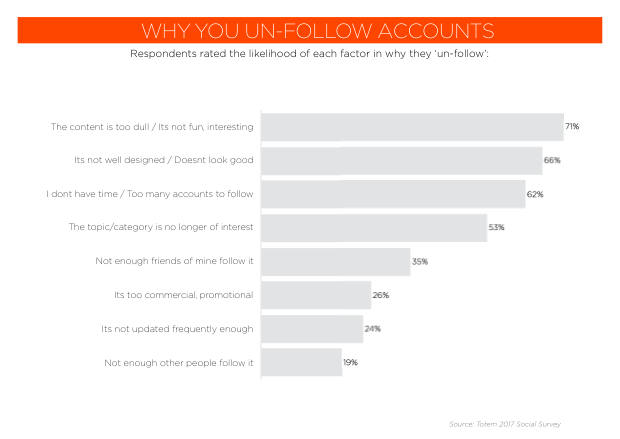
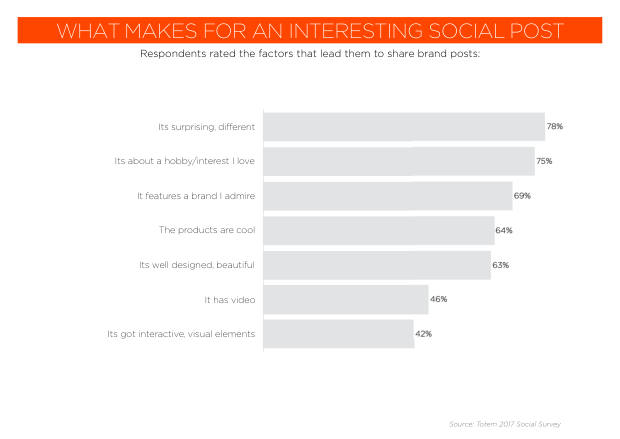
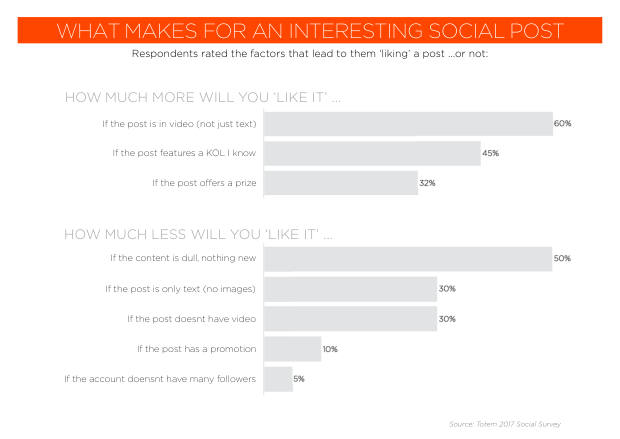
Totem Media's ten-point outlook on social marketing in China for 2018, written for brands marketing through social media in the market. It combines platform-reported metrics with third-party data sources — CNNIC, eMarketer, iResearch, Forrester, PwC, Newrank, BCG and JP Morgan — and Totem's own 2017 Social Survey on why audiences follow, unfollow, like and share brand content, alongside expert commentary from Ali Kazmi, VP Partnerships & Strategic Development at Ogilvy China.

Free report

Get the full report

Leave your details and we'll send the PDF to your inbox.

Your details go to Totem, never shared. Unsubscribe anytime.
← All reports