Lessons from WeChat: what a mobile-first, conversational ecosystem reveals about the future of marketing
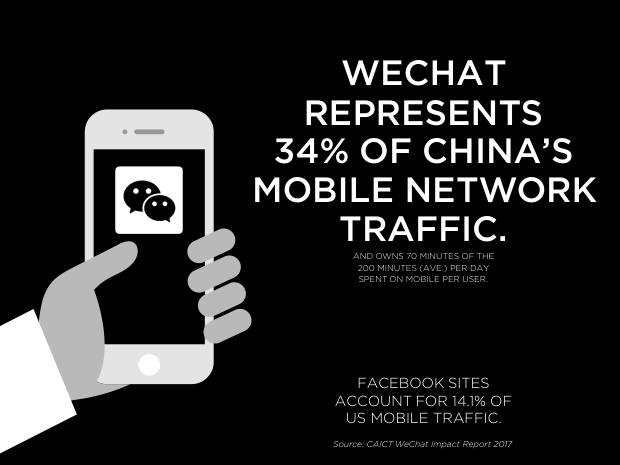
WeChat is a preview of where marketing is heading. As a mobile-first, closed ecosystem it bundles brand presence, social feed, search, payments and commerce in one place — WeChat accounts for 34% of China's mobile network traffic (against Facebook's 14.1% of US mobile traffic) and owns roughly 70 of the 200 minutes an average user spends on mobile each day, at around 1.0 billion MAU with 800 million WeChat Pay accounts.
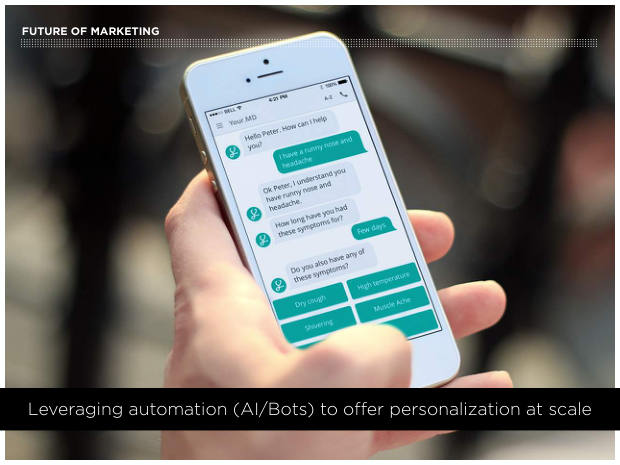
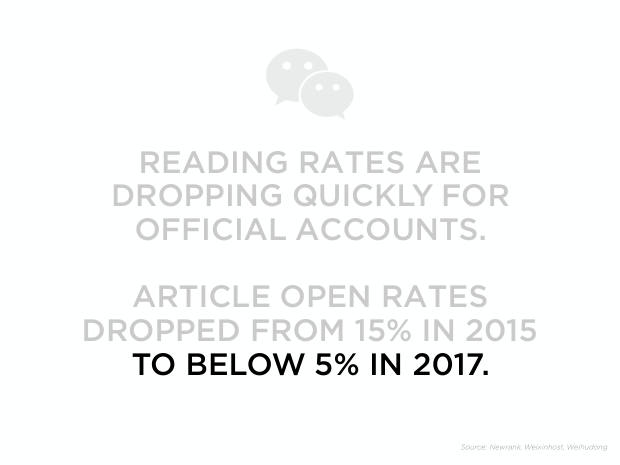
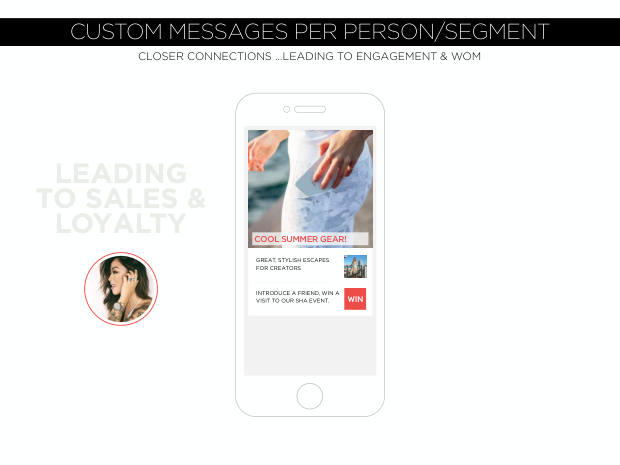
The report's throughline is that broadcast social has hit its limits. Blanket messaging is decaying — official-account article open rates fell from 15% in 2015 to below 5% in 2017 — and success is shifting to conversational, one-to-one relevance at scale. That means social-CRM systems that build a profile from first follow through repeat engagement, and automation (bots) to personalise conversations rather than blast them.
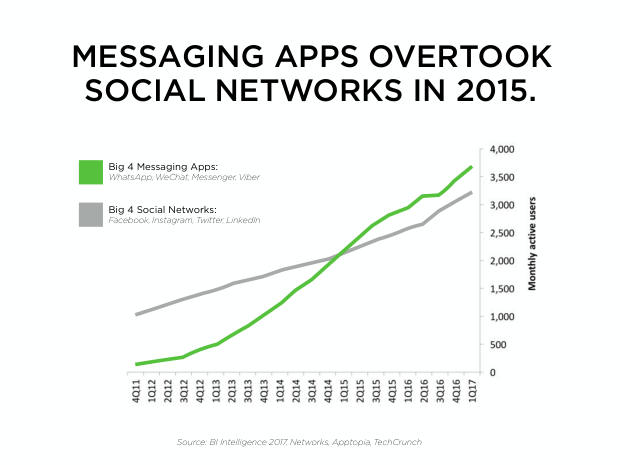
Totem organises the lessons around five shifts: conversational social will rule, journeys are both offline and online, first impressions matter, context is king, and social converts to sales. The parallels run globally — messaging apps overtook social networks in 2015 — so brands using Facebook Messenger, Apple Business Chat and similar tools can apply the same playbook WeChat has already proven.
A single ecosystem replaces the fragmented Western stack.
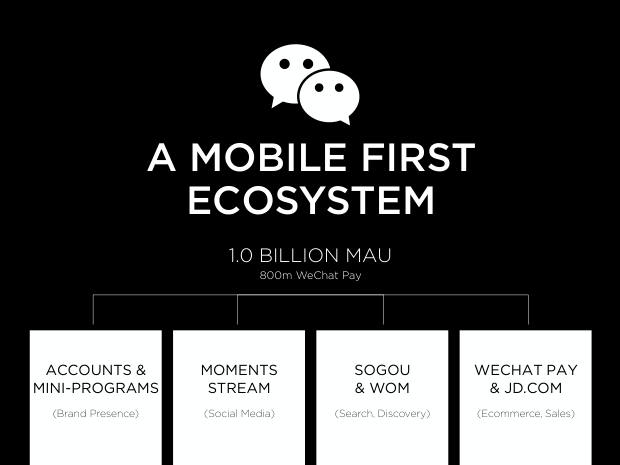
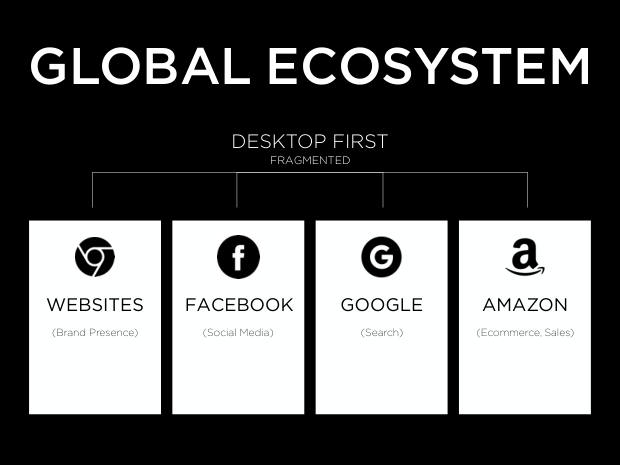
Where the global model splits brand website, Facebook, Google and Amazon across desktop-first, fragmented touchpoints, WeChat integrates accounts and Mini-Programs, a Moments feed, Sogou search and WeChat Pay/JD.com commerce into one mobile-first environment — the direction of travel for marketing overall.
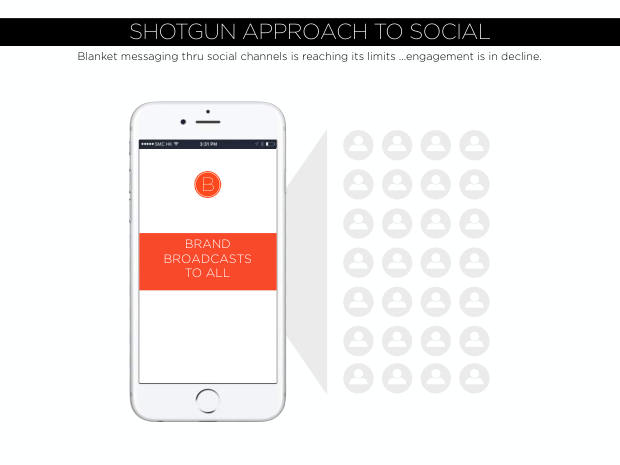
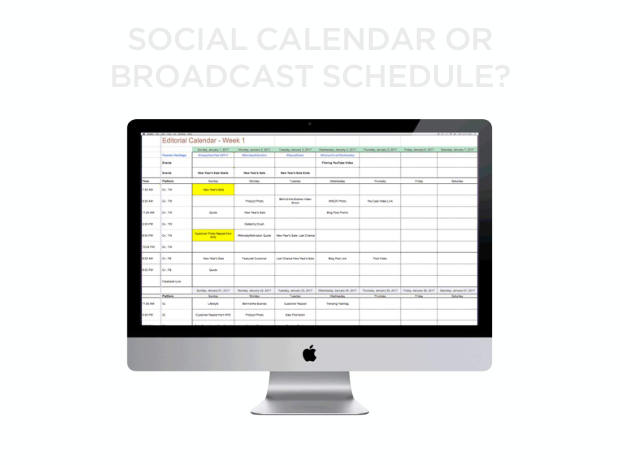
Broadcast social is reaching its limits.
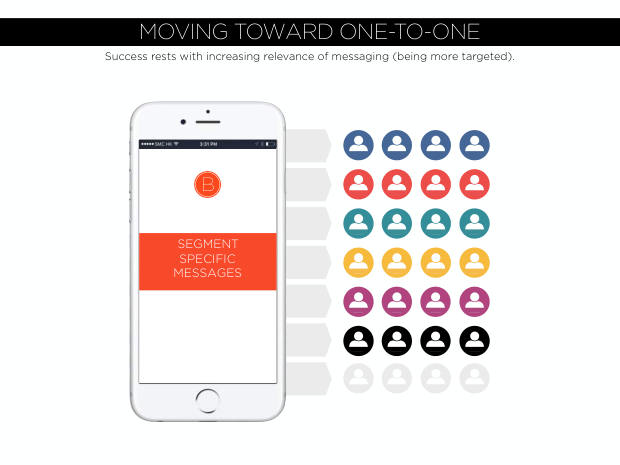
Reading rates for official accounts are dropping fast, with article open rates falling from 15% in 2015 to below 5% in 2017. The response is a move from one-to-many blasts toward segment-specific, increasingly one-to-one messaging.
Social-CRM turns follows into structured data.
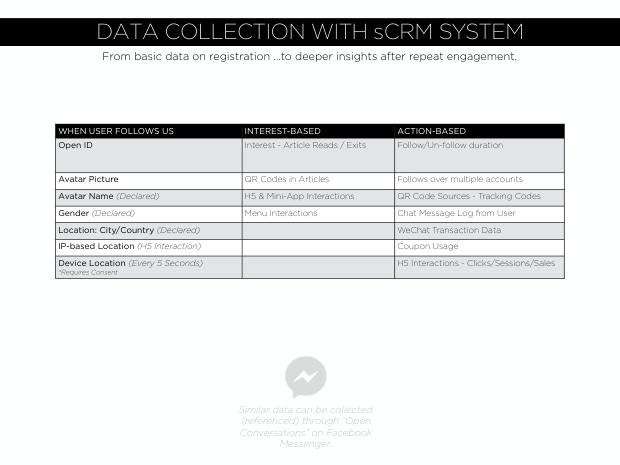
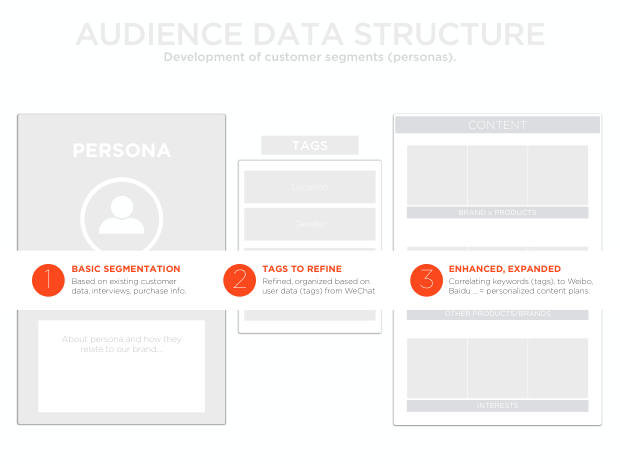
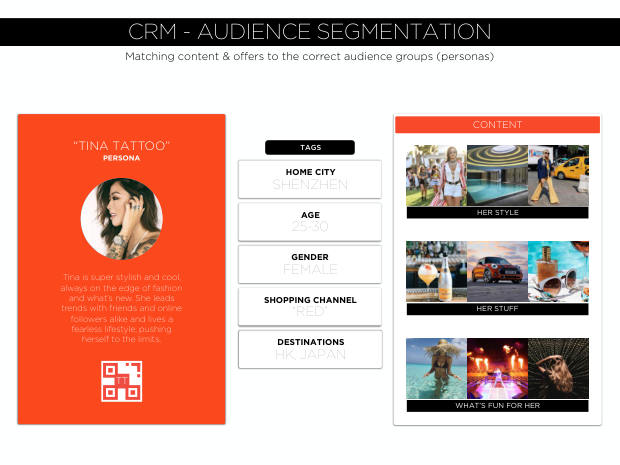
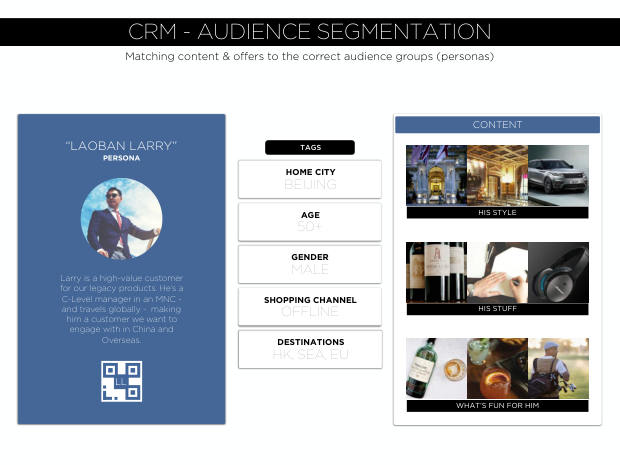
Brands build audience profiles progressively — from declared basics at follow (name, gender, city) through interest-based signals (article reads, QR-code sources, menu and H5 interactions) to action-based data (transactions, coupon usage) — refined with tags and expanded against Weibo and Baidu into personalised content plans and personas.
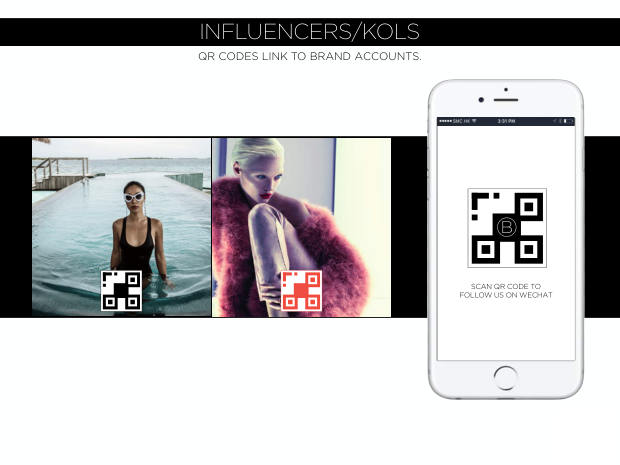
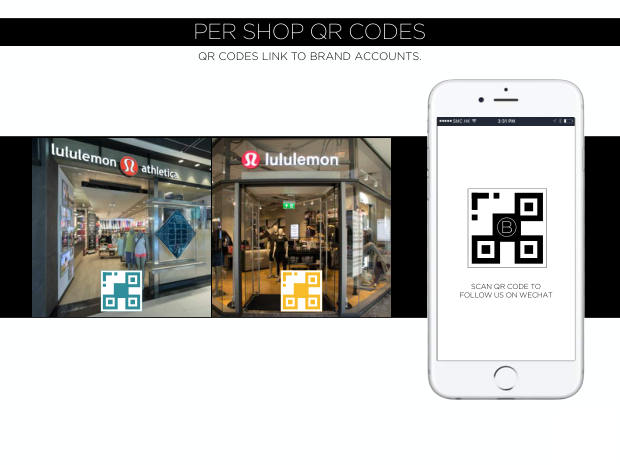
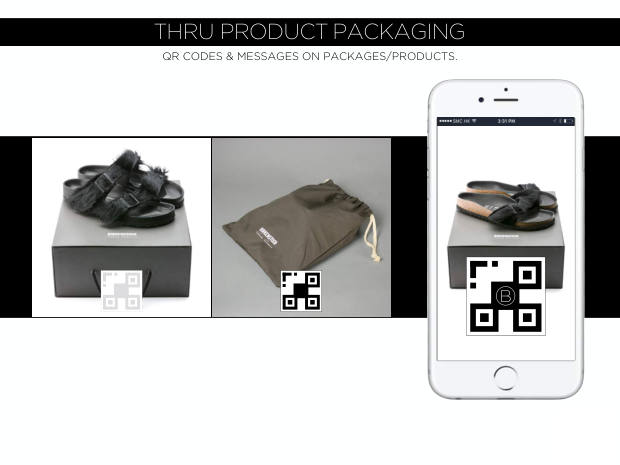
Journeys weave offline and online through QR codes.
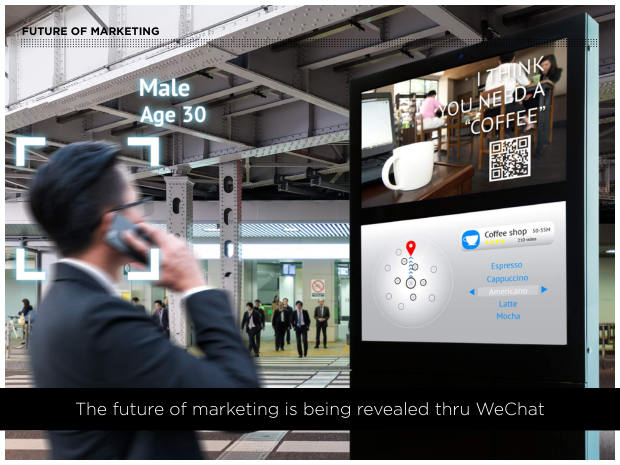
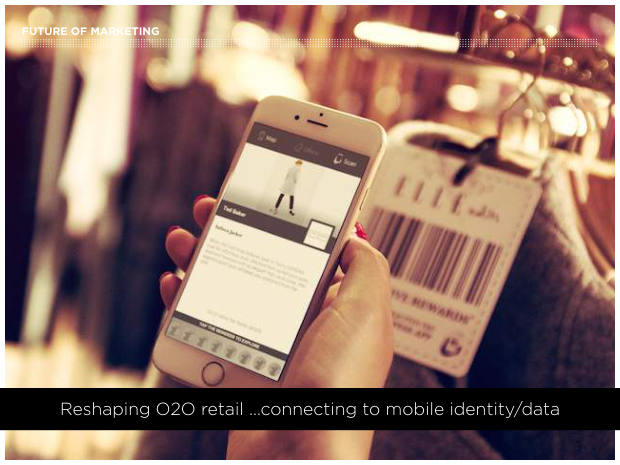
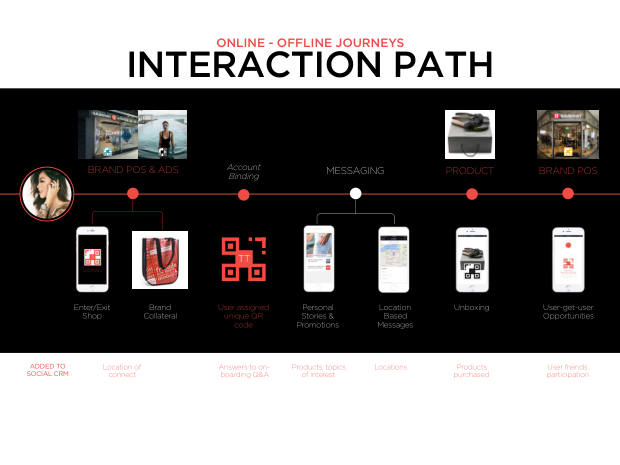
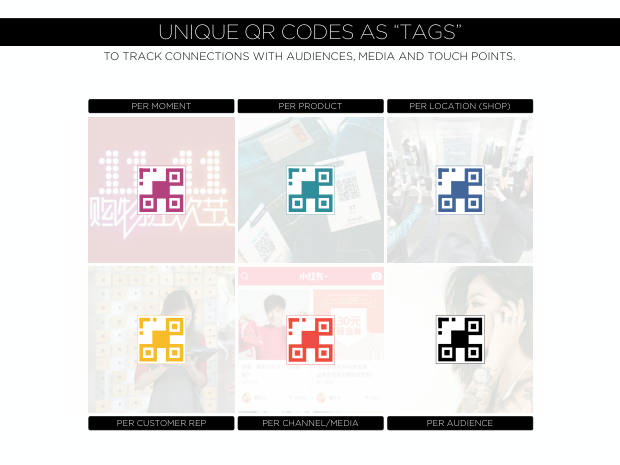
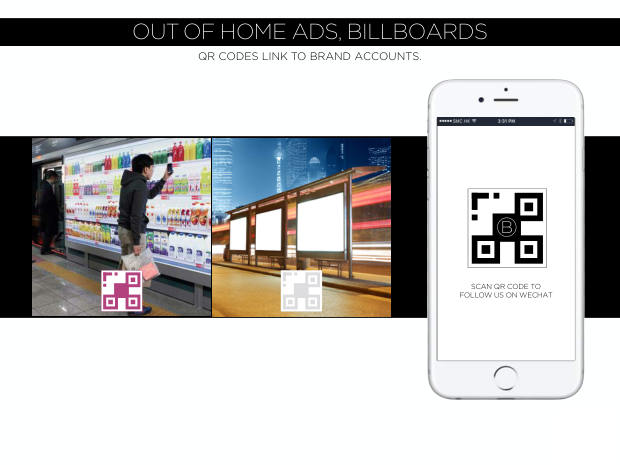
Unique QR codes act as trackable tags across channel, product, audience, shop, rep and moment — linking out-of-home ads, influencers, packaging and in-store touchpoints back to brand accounts and the social-CRM, so physical interactions feed the same data spine as digital ones.
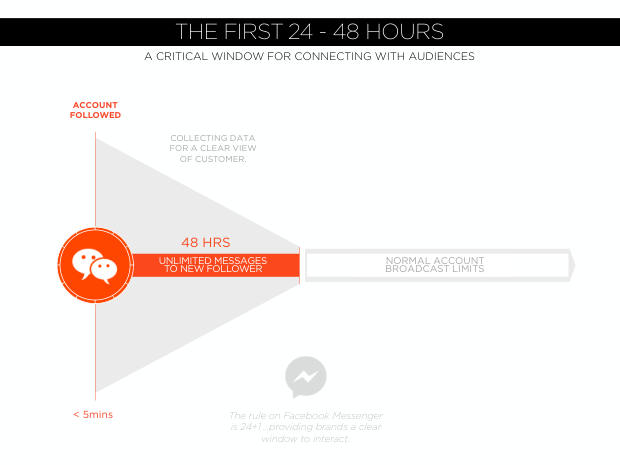
The first 24–48 hours are a critical window.
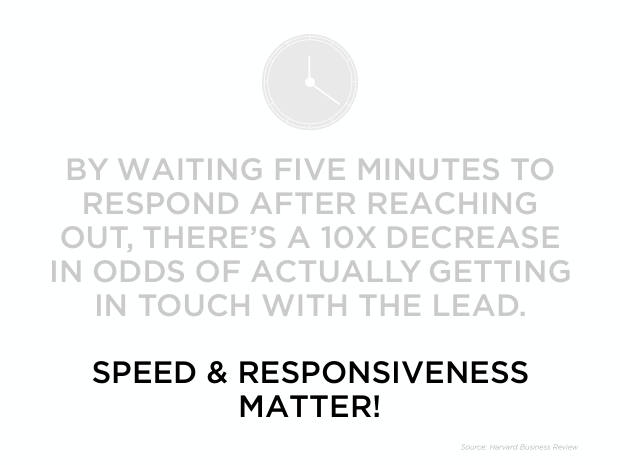
New WeChat followers can be sent unlimited messages for 48 hours (Facebook Messenger's rule is 24+1), and Harvard Business Review data show waiting five minutes to respond cuts the odds of reaching a lead tenfold — so speed and early data capture matter disproportionately.
Automation personalises at scale, with measurable payoff.
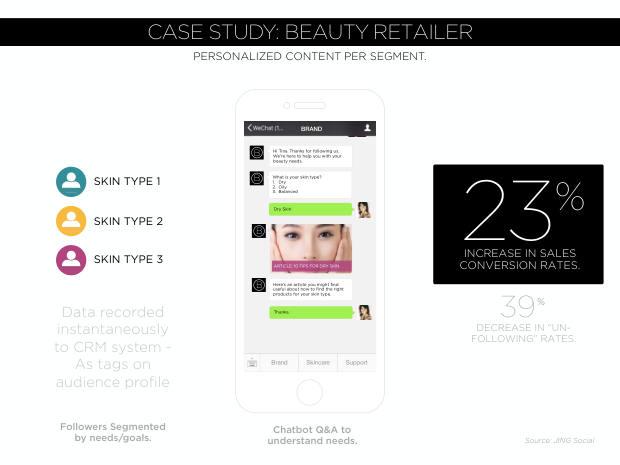
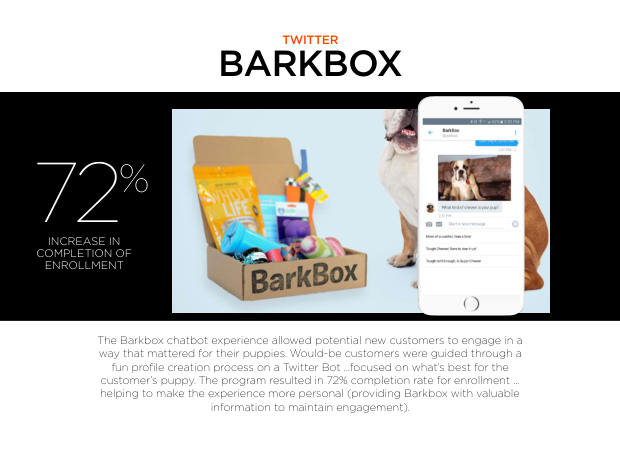
A segmented beauty-retailer chatbot that sorted followers by skin type lifted sales-conversion rates 23% and cut unfollowing 39%; Barkbox's Twitter bot reached a 72% enrollment-completion rate — evidence that bot-led, context-aware onboarding outperforms generic broadcast.
Context is king — relevance beats reach.
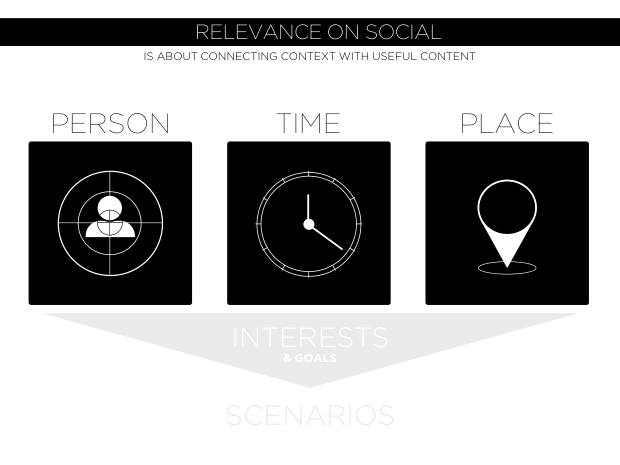
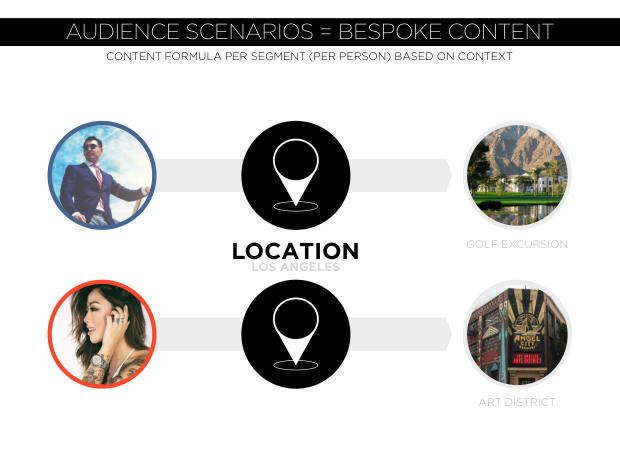
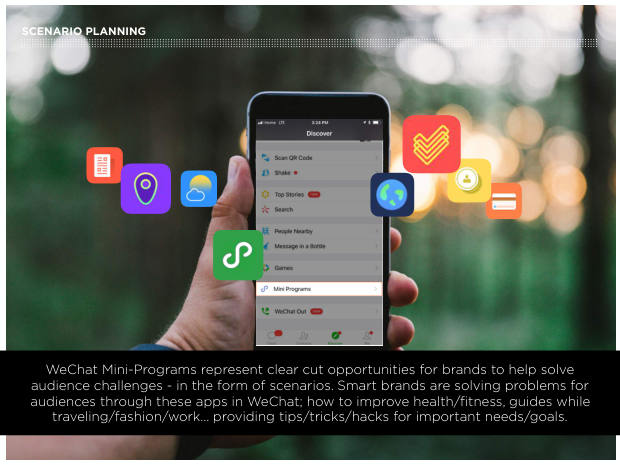
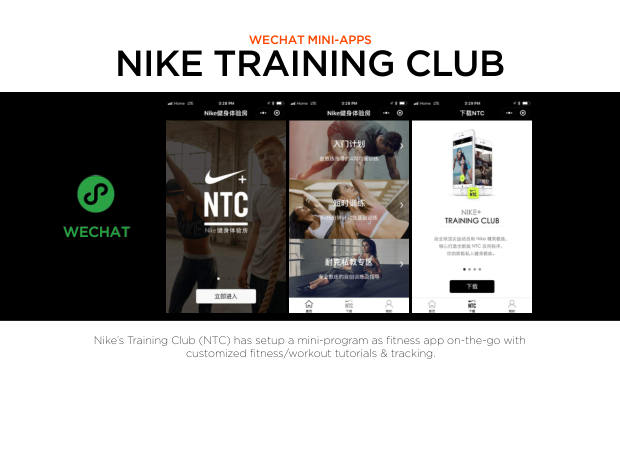
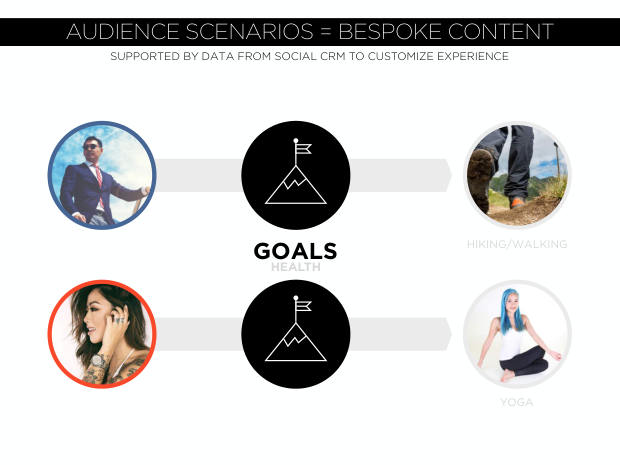
Totem frames relevance as matching content to person, time and place: audience scenarios and goals (e.g. a Nike Training Club Mini-Program for fitness on the go) turn brand utility into engagement, supported by social-CRM data.
Social converts to sales through everyday moments.
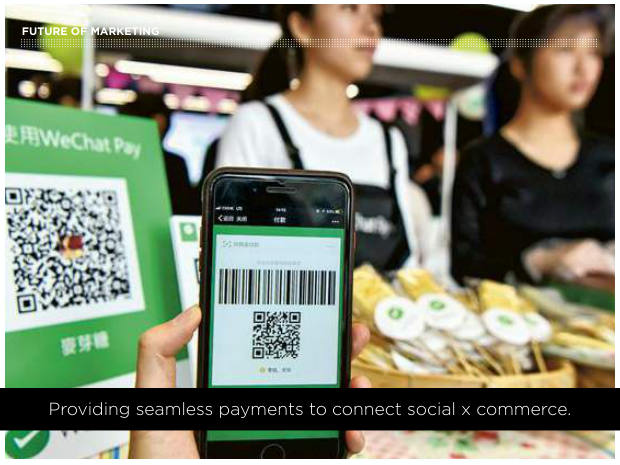
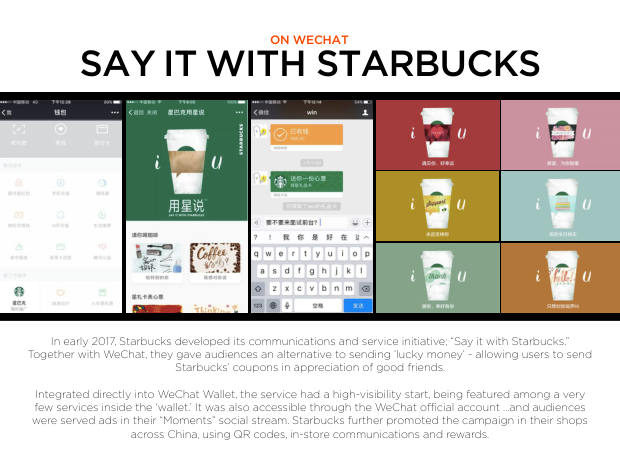
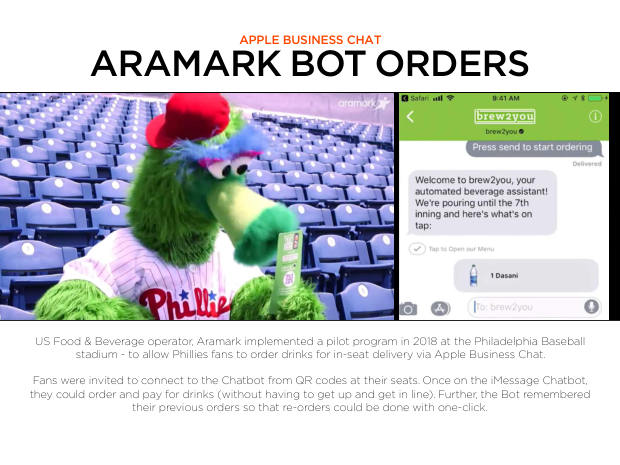
Cases like Starbucks' "Say it with Starbucks" (gifting coupons inside WeChat Wallet) and Aramark's Apple Business Chat in-seat ordering show commerce embedded seamlessly into social and messaging, with re-orders reduced to one click.

Why study WeChat to understand the future of marketing?
As a mature, mobile-first, all-in-one ecosystem — 34% of China's mobile traffic, ~1bn MAU, 70 of 200 daily mobile minutes — WeChat has already run the experiments (conversational commerce, social-CRM, payments) that Western platforms are only starting.
Is broadcast social media still effective?
Decreasingly. Official-account article open rates fell from 15% (2015) to below 5% (2017), pushing brands from mass broadcasts toward segmented, one-to-one messaging.
What is social-CRM in this context?
A system that builds an audience profile from the first follow onward — declared, interest-based and action-based data — refined with tags into personas, so content and offers can be matched to the right person.
Why do the first 24–48 hours matter?
New WeChat followers accept unlimited messages for 48 hours, and responding within five minutes rather than later can raise the odds of connecting tenfold — a short, high-value window for engagement and data capture.
Do these lessons apply outside China?
Yes. Messaging apps overtook social networks globally in 2015, and tools like Facebook Messenger and Apple Business Chat let brands apply the same conversational, context-driven approach WeChat has proven.
Totem's read on the future of marketing through the lens of WeChat, using it as a working model of a mobile-first, conversational commerce ecosystem. The report is organised around five shifts — conversational social, offline-online journeys, first impressions, context, and social-to-sales — supported by platform data (CAICT, Newrank, Harvard Business Review, JING Social) and brand case studies spanning both Chinese and Western messaging platforms.
Get the full report
Leave your details — we'll email you the PDF and give you the download straight away.