Influencer Marketing in Asia — Fashion: the flywheel, not the destination
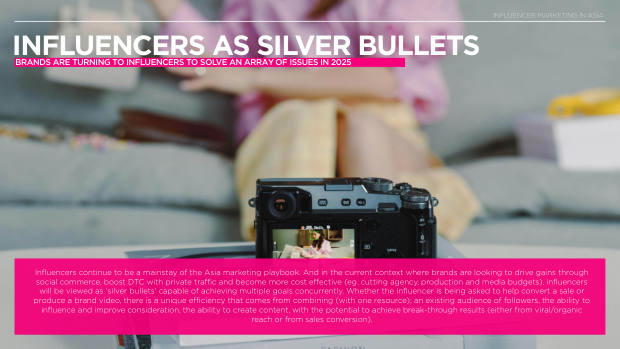
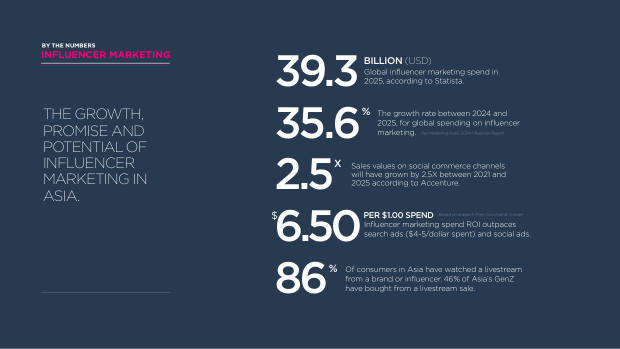
Influencers remain a mainstay of the Asia marketing playbook, and in 2025 brands increasingly treat them as "silver bullets" — one resource that combines an existing audience, the ability to shift consideration, content creation, and the potential for viral reach or direct sales conversion. Totem's data puts influencer marketing ROI at $6.50 per dollar spent, ahead of search ads ($4-5) and social ads, against a global influencer market Statista values at $39.3bn in 2025.
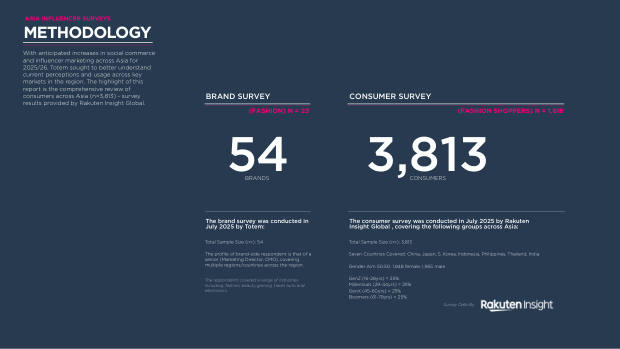
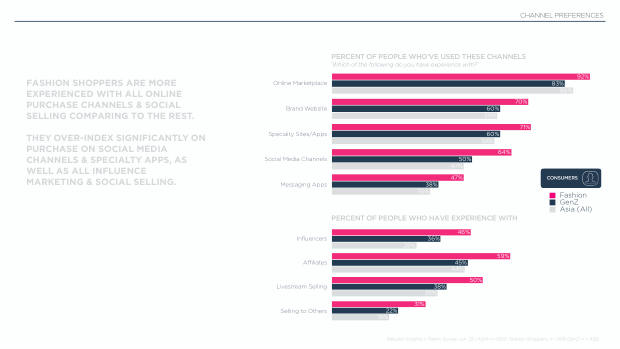
Fashion sits at the bleeding edge of this shift. Drawing on a Rakuten Insight consumer survey of 3,813 people across seven Asian markets (with a 1,618-strong fashion-shopper cut) and a Totem survey of 54 senior brand marketers, the mini-report finds fashion shoppers over-index on every online purchase channel and on social selling, and are markedly more positive toward influencers than the average buyer. Livestreaming is now mainstream: 86% of Asian consumers have watched a brand or influencer livestream and 46% of Asia's Gen Z have bought from one.
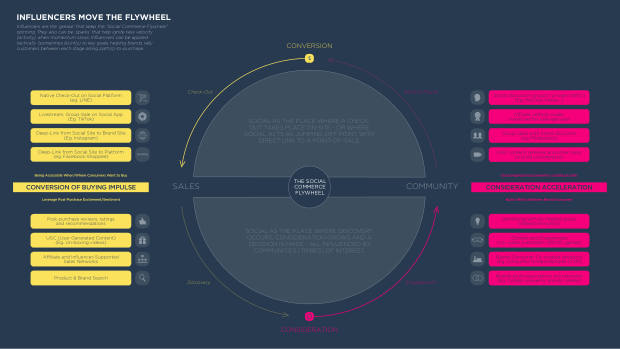
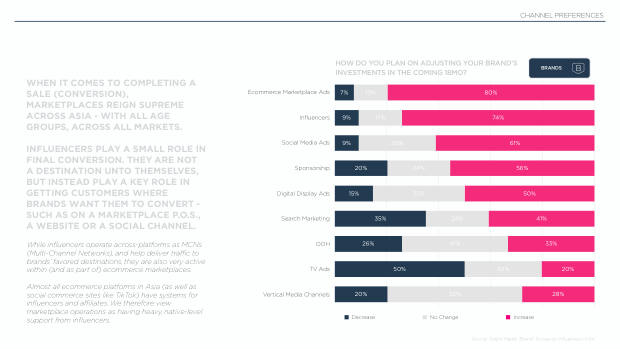
The strategic nuance is that influencers guide rather than close. Marketplaces reign supreme for conversion across every market and age group; influencers are not a destination in themselves but the "grease" that keeps the social-commerce flywheel spinning — most valuable at the top of the funnel, and, Totem argues, under-used for conversion and post-purchase reviews.
Influencers as 2025's "silver bullets."
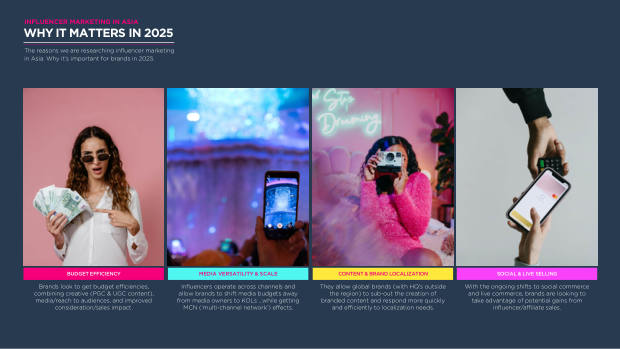
Brands lean on influencers to deliver budget efficiency, media reach, localisation and social/live selling at once. Totem puts influencer ROI at $6.50 per dollar — ahead of search ads ($4-5) and social ads — with global spend at $39.3bn in 2025 and growth of 35.6% year on year from 2024.
Social commerce is the engine.
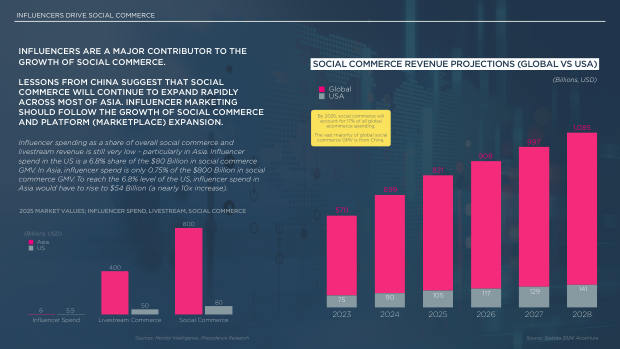
Social-commerce sales values are set to grow 2.5x between 2021 and 2025 (Accenture), reaching 17% of all global ecommerce by 2025, with the vast majority of GMV from China. Influencer marketing tracks the growth of social commerce and marketplace expansion across the region.
Asia's influencer spend has huge headroom.
Influencer spend is only 0.75% of Asia's roughly $800bn social-commerce GMV, versus 6.8% of the US's $80bn. Reaching the US share would require Asian influencer spend to rise to about $54bn — a near-tenfold increase.
Marketplaces convert; influencers move customers there.
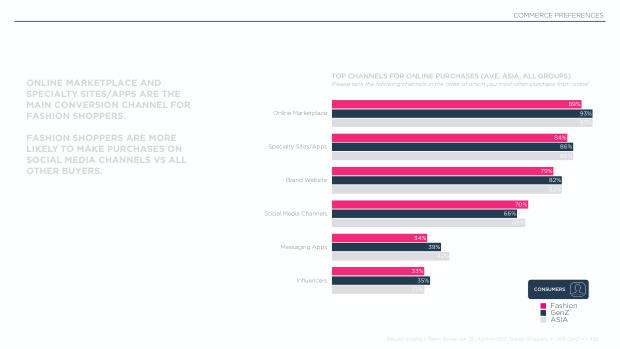
Across all ages and markets, marketplaces are the top conversion channel, and influencers play a small role in final conversion. They are not a destination but a way to get customers to where brands want them to buy — a marketplace POS, a website or a social channel — active natively within marketplaces as MCNs.
Fashion shoppers over-index on social selling.
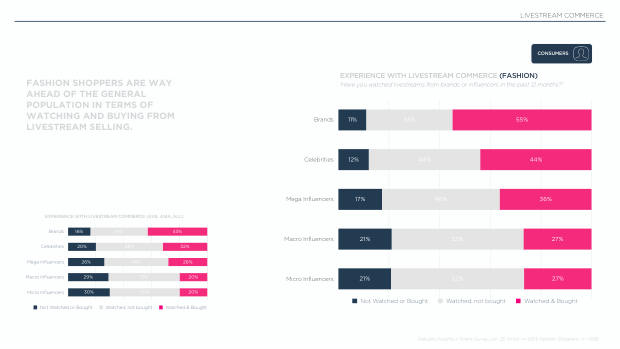
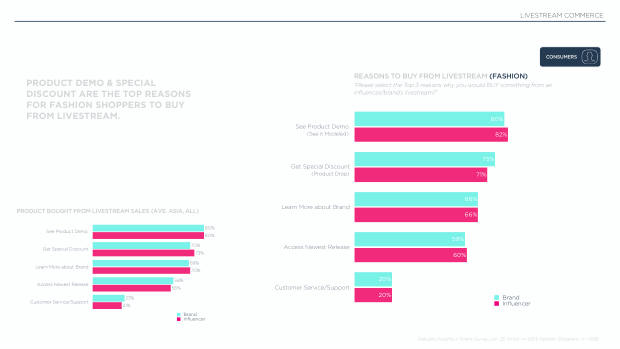
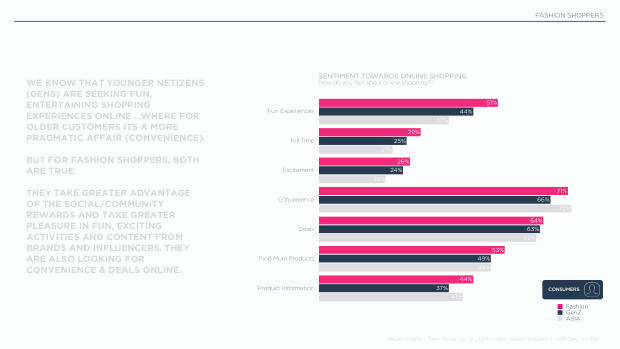
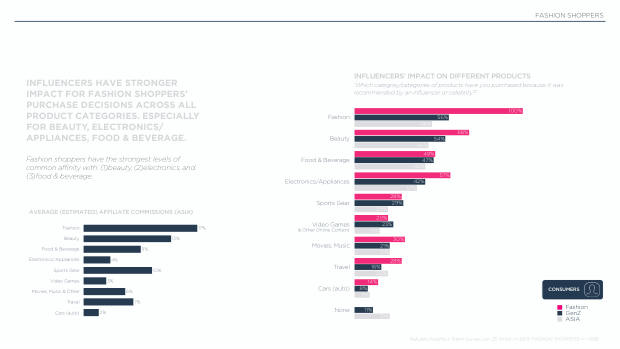
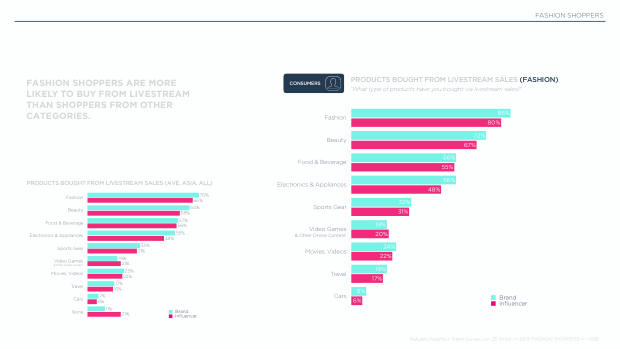
The 1,618 fashion shoppers are more experienced with every online and social-selling channel than the general population, over-indexing on purchases via social media and specialty apps. They watch and buy from livestreams far more than average, with product demonstrations and special discounts the top reasons to buy from a fashion livestream.
Micro and nano beat mega — but friends still lead.
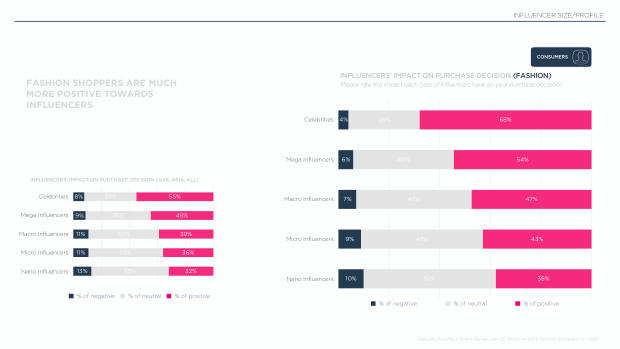
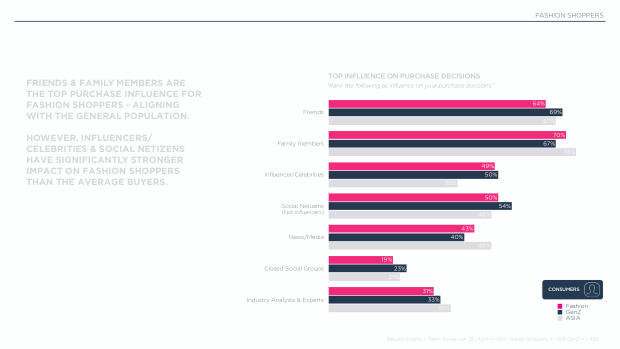
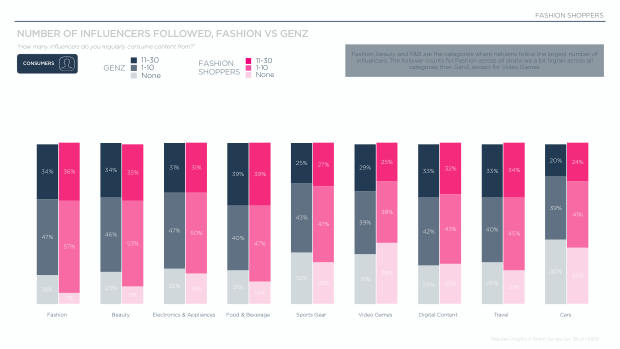
Smaller influencers rate more positively on purchase impact than celebrities and mega-influencers among fashion shoppers. Even so, friends (73% among fashion shoppers) and family (67%) remain the strongest purchase influences, with influencers and celebrities (48%) over-indexing versus the average buyer.
Brands under-use influencers for conversion.
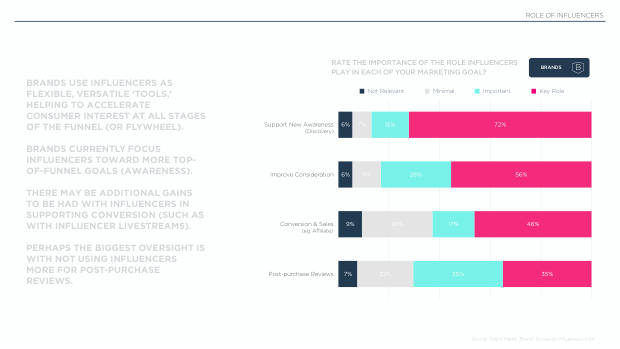
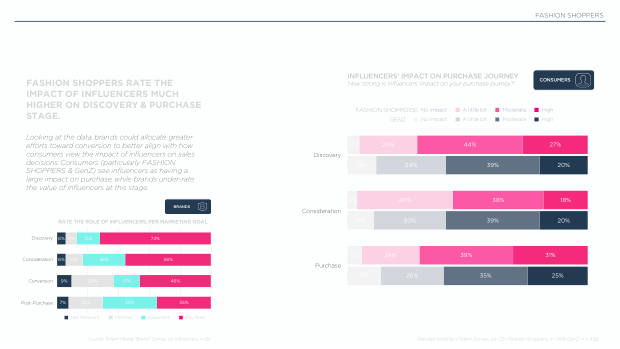
The 54 brand respondents currently point influencers at top-of-funnel awareness, while consumers — especially fashion shoppers and Gen Z — credit them with strong impact on purchase. Totem flags conversion, and particularly post-purchase reviews, as the biggest missed opportunity.
TikTok drives enthusiasm, and regional plays create echo.
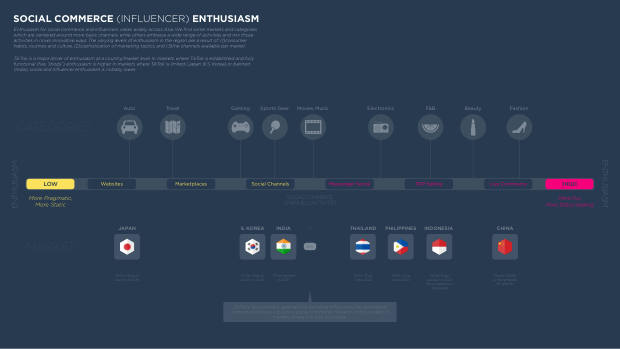
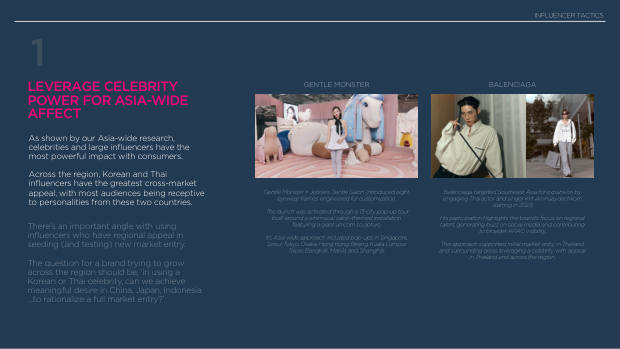
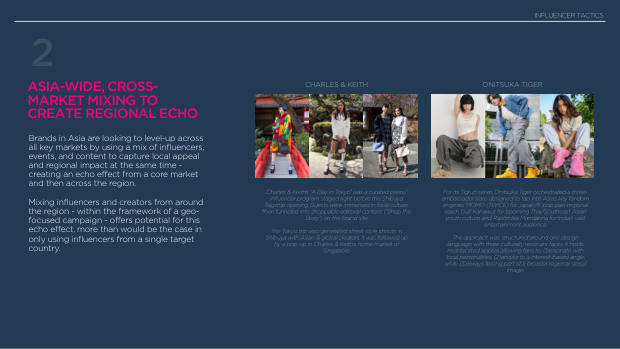
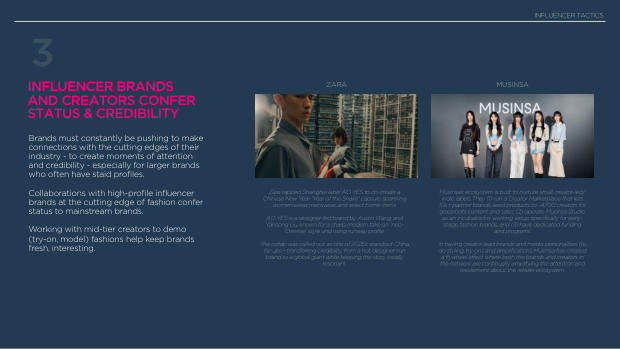
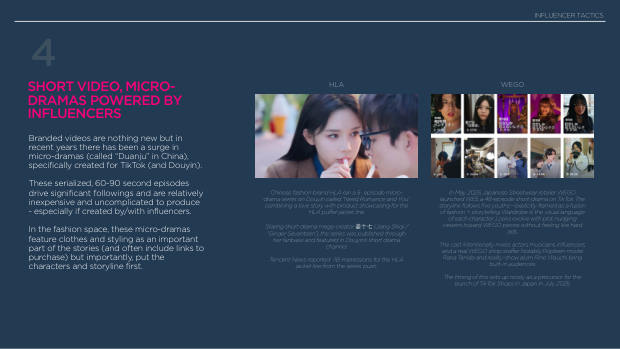
Enthusiasm is highest where TikTok Shop is fully functional and lower where it is limited (Japan, South Korea) or banned (India). Case studies show the regional-echo tactic in action — Gentle Monster × Jennie's 13-city "Jentle Salon" pop-up, Onitsuka Tiger's three-ambassador Tigrun slate, Zara × AO YES's "Year of the Snake" capsule, and HLA's Douyin micro-drama, which Tencent News reported drew roughly 1bn impressions.






How large is influencer marketing in 2025?
Global influencer marketing spend reached $39.3bn in 2025 (Statista), growing 35.6% year on year, with an ROI Totem puts at $6.50 per dollar — ahead of search ads at $4-5.
How much room is there for influencer spend to grow in Asia?
A great deal. It is just 0.75% of Asia's roughly $800bn social-commerce GMV versus 6.8% in the US; matching the US share would require about $54bn, nearly ten times current levels.
Do influencers actually close sales?
Rarely on their own. Marketplaces are the top conversion channel across all markets and ages; influencers guide customers along the flywheel to a marketplace, website or social checkout rather than serving as a destination.
How engaged are fashion shoppers with livestreams?
Very. 86% of Asian consumers have watched a brand or influencer livestream and 46% of Asia's Gen Z have bought from one, and fashion shoppers are well ahead of the general population on both watching and buying.
What does TikTok have to do with regional enthusiasm?
Enthusiasm for social commerce and influencers is highest in markets where TikTok Shop is fully functional and notably lower where it is limited (Japan, South Korea) or banned (India).
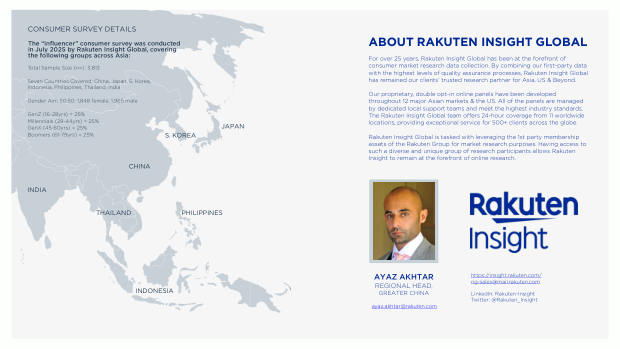
The Fashion cut of Totem's 2025 Influencer Marketing in Asia series. It combines a consumer survey fielded in July 2025 by Rakuten Insight Global (n=3,813; fashion shoppers n=1,618; Gen Z n=935) across seven markets — China, Japan, South Korea, Indonesia, Philippines, Thailand and India, with a 50:50 gender aim and even quartiles of Gen Z, Millennials, Gen X and Boomers — with a Totem brand-side survey of 54 senior marketers (fashion n=23). Market-sizing figures draw on Statista, Accenture, Mordor Intelligence and Precedence Research, alongside documented brand case studies from across the region.
Get the full report
Leave your details — we'll email you the PDF and give you the download straight away.