Global · Report · 2022

The future of DTC marketing: why the digital-only playbook hit its ceiling

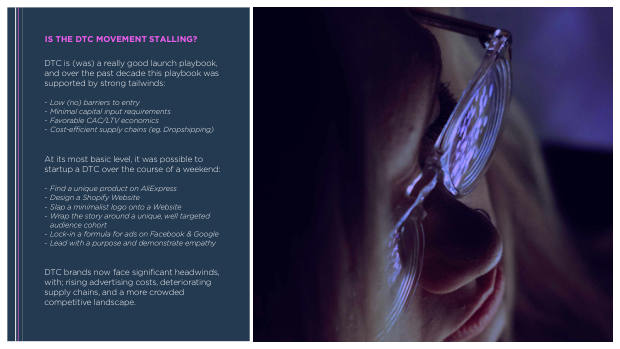
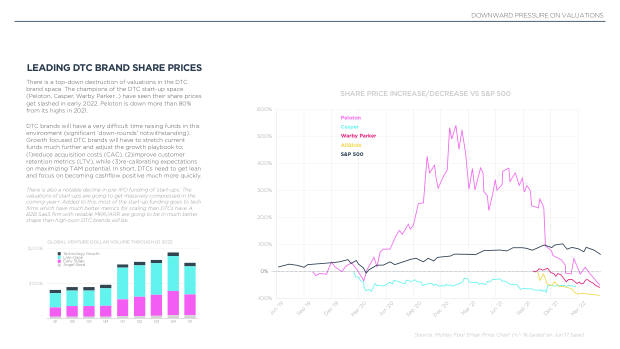
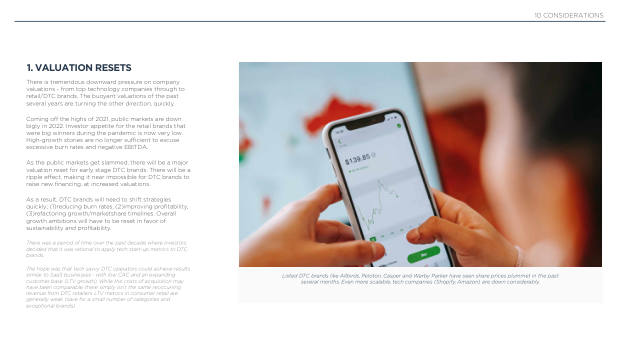
The direct-to-consumer model has reached an inflection point. What worked as a start-up launch playbook — a unique product, a Shopify storefront, a narrow audience and a fixed formula of Facebook and Google performance ads — no longer scales to category leadership. The CAC/LTV economics that underwrote the first wave of DTC brands have deteriorated as acquisition costs rose and venture funding tightened, and the champions of the movement (Peloton, Casper, Warby Parker, Allbirds) saw their share prices slashed in early 2022.

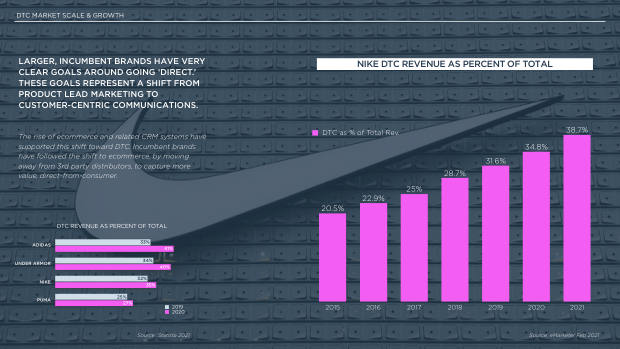
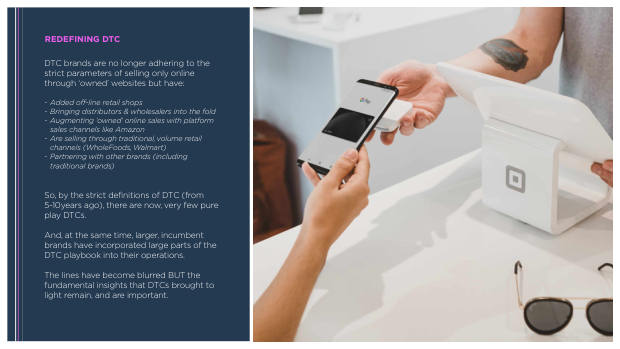
Two forces are converging. Growth-focused DTC brands are graduating to more complete, holistic marketing strategies as the narrow playbook runs out of road, while larger incumbent brands borrow heavily from the DTC toolkit — becoming more digital, more customer-centric and more direct. Sportswear leaders such as Nike, Adidas and Puma now take more than 30% of revenue direct. The lines between "DTC" and "traditional" have blurred, but the underlying insights DTC brought to light — community, customer empathy, first-party data — remain the durable advantages.

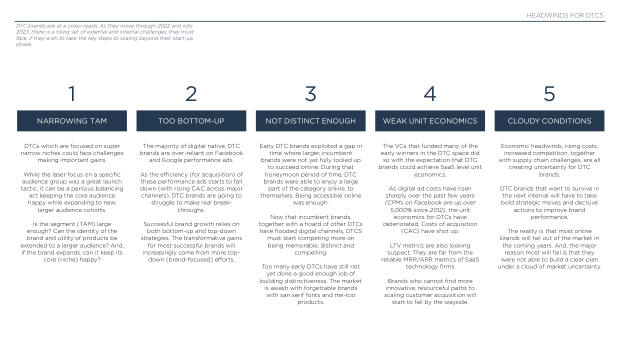
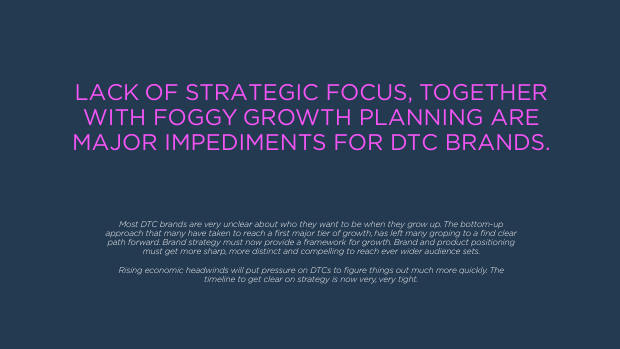
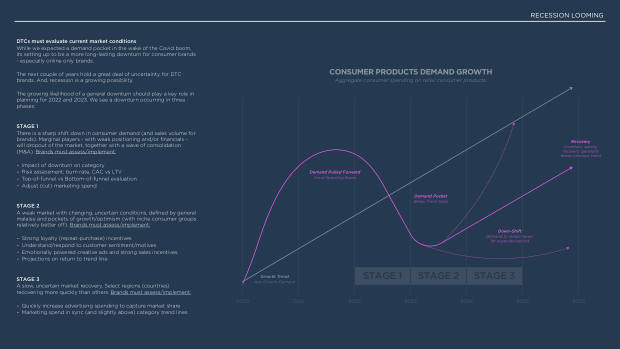
All of this sits against rising economic headwinds. With a downturn looming, weaker DTC brands face a squeeze from rising ad costs, deteriorating supply chains and a more crowded field. Totem's view is that most online-only brands that fail will do so not because the model is dead, but because they never built a clear strategy for scaling beyond the start-up phase.

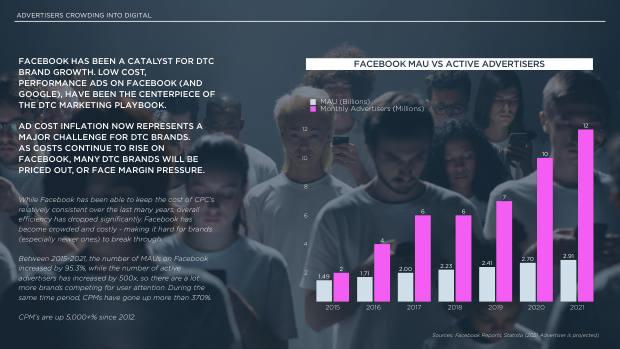
5,000%+
rise in Facebook CPMs since 2012, the core driver of DTC margin pressure
~$10M
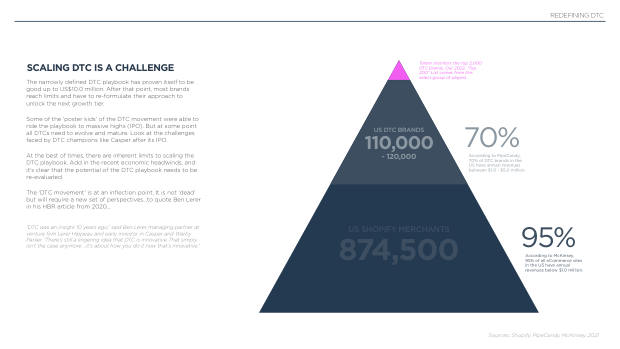
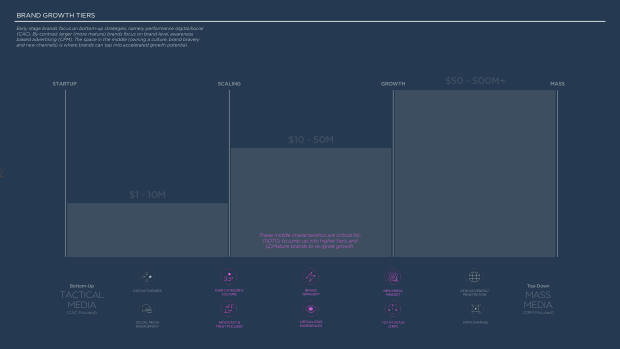
revenue ceiling where the narrow DTC playbook typically stalls and must be re-formulated
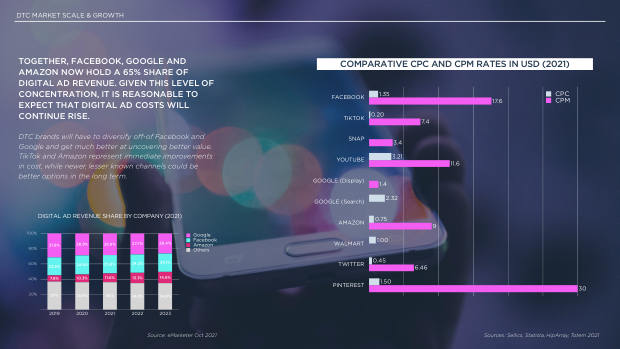
65%
share of US digital ad revenue held by Google, Facebook and Amazon combined
44%
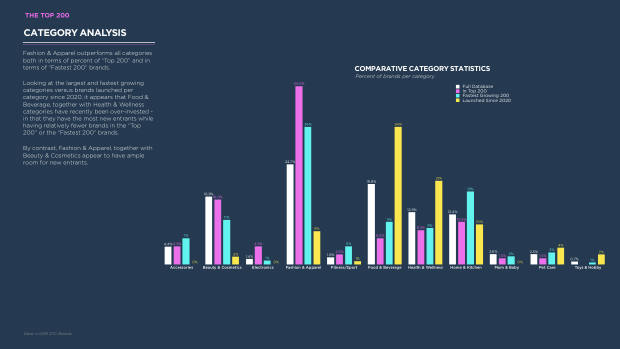
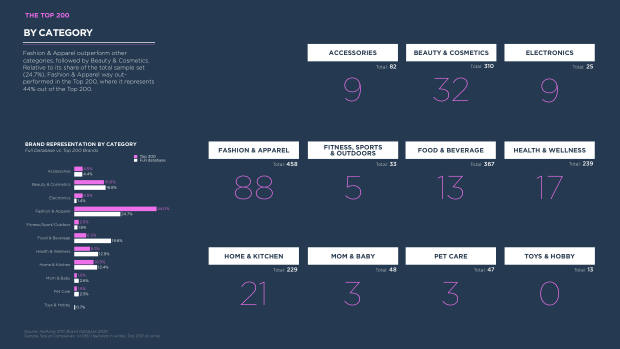
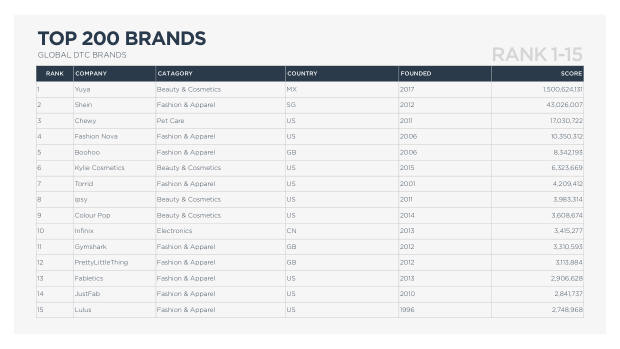
of Totem's Top 200 global DTC brands are Fashion & Apparel (vs 24.7% of the full sample)
-80%+
fall in Peloton's share price from its 2021 highs
Key findings

The playbook stalls near $10M.

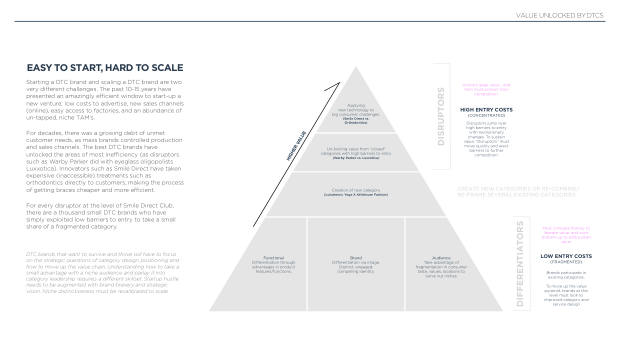
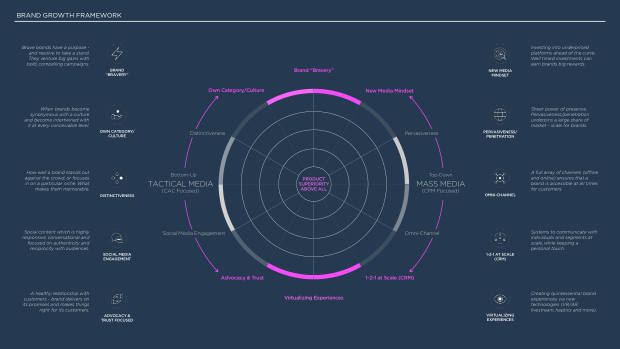
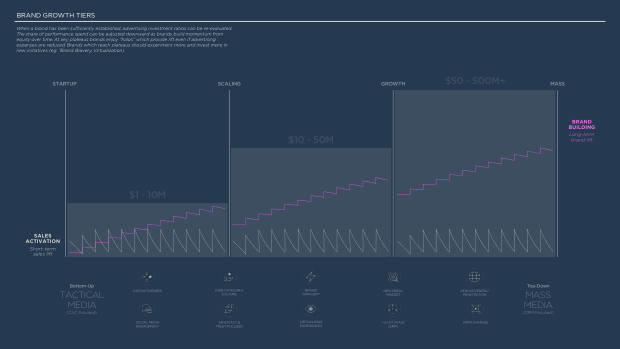
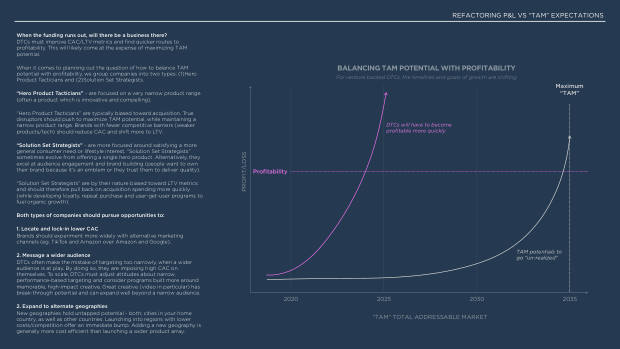
The narrowly defined DTC model has proven effective up to roughly US$10 million in revenue; beyond that point most brands hit limits and must re-formulate to unlock the next tier. Starting a DTC brand and scaling one are two different challenges, and startup hustle has to be augmented with brand strategy and category design to reach category leadership.

Ad-cost inflation has broken the unit economics.

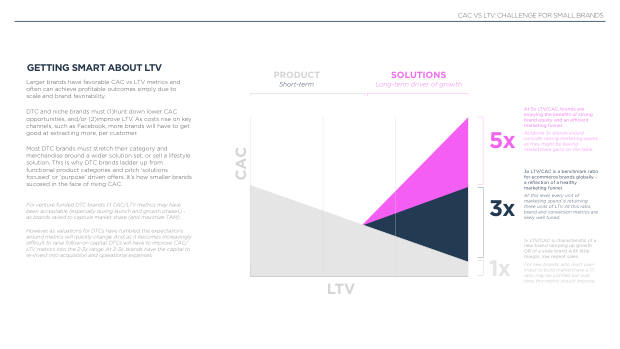
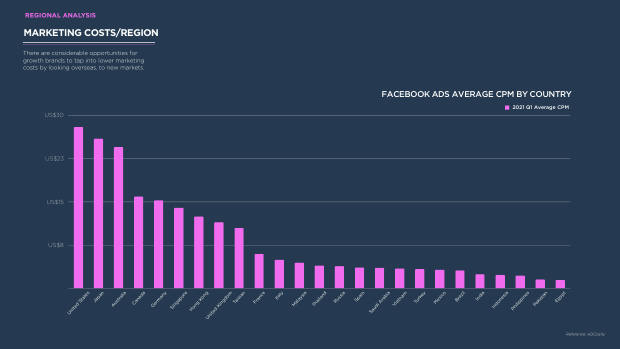
Facebook CPMs are up more than 5,000% since 2012 and rose over 370% between 2015 and 2021, even as monthly active users grew 95.3% and the number of active advertisers rose roughly 500x. Between July 2020 and 2021, CPM inflation hit Google/YouTube +108%, Facebook +89% and TikTok +92%. The SaaS-style LTV economics investors once assumed for DTC never materialised.

Valuations reset hard.

Coming off 2021 highs, listed DTC brands — Allbirds, Peloton, Casper, Warby Parker — saw share prices plummet, with Peloton down more than 80%. The reset ripples down to early-stage brands, making new financing at higher valuations near-impossible and forcing a shift from growth-at-all-costs toward profitability and sustainability.

Incumbents strike back.

Larger brands have closed the digital gap, launching boutique sub-brands (P&G's Native, King C. Gillette) to go head-to-head with DTC challengers and building out direct channels. Nike, Adidas and Puma now each take more than 30% of revenue direct. On hard skills, most incumbents are now more capable than their DTC rivals; the remaining DTC edge is in soft skills — audience connection, a niche point of view, and organisational agility.

Channel concentration forces diversification.

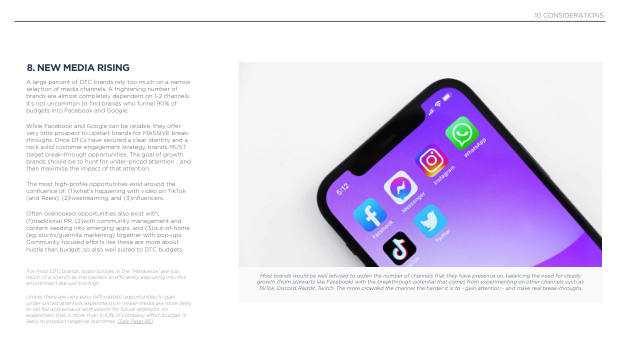
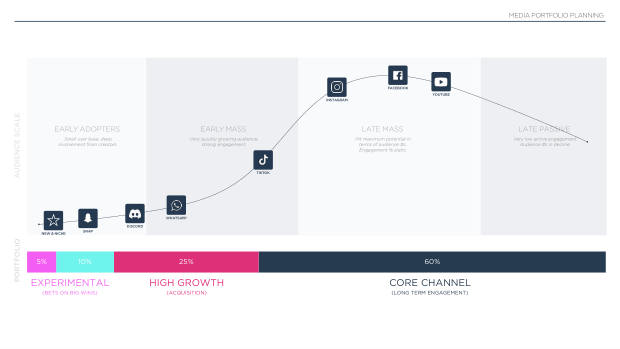
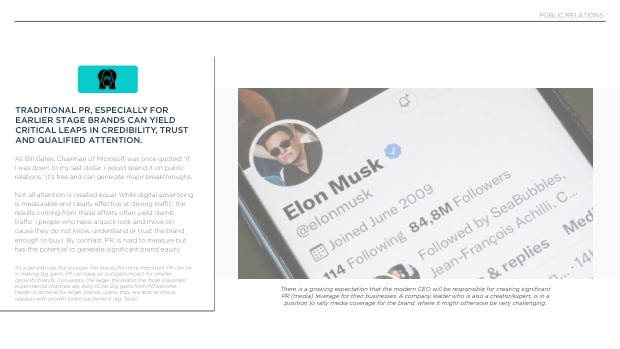
Google, Facebook and Amazon together hold about 65% of US digital ad spend, and that pricing power keeps costs elevated. With too many brands funnelling 90% of budget into one or two channels, the report argues DTC brands must hunt for under-priced attention — TikTok, livestreaming, influencers, PR and community — while treating any single experimental channel as no more than 5-10% of budget.

Data disruptions raise the cost of acquisition.

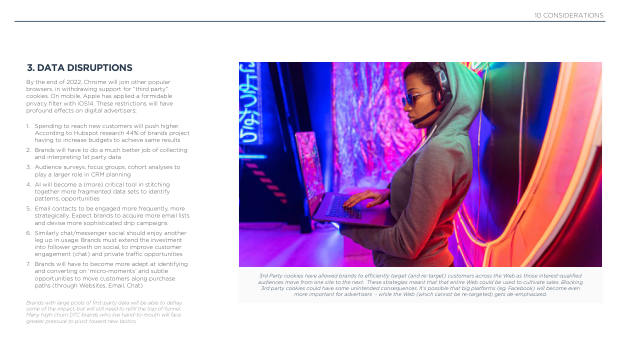
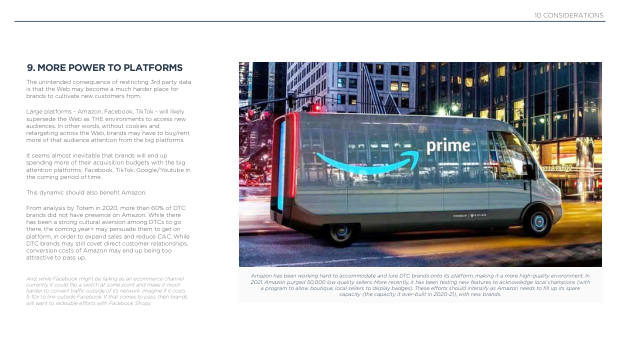
With third-party cookies withdrawn and Apple's iOS privacy filters in force, 44% of brands (Hubspot) project needing bigger budgets to hit the same results. The likely consequence is more power to the large platforms — Amazon, Facebook, TikTok — as the open web becomes harder to retarget, pushing brands to buy audience attention rather than cultivate it freely.

Most DTC brands are too local.

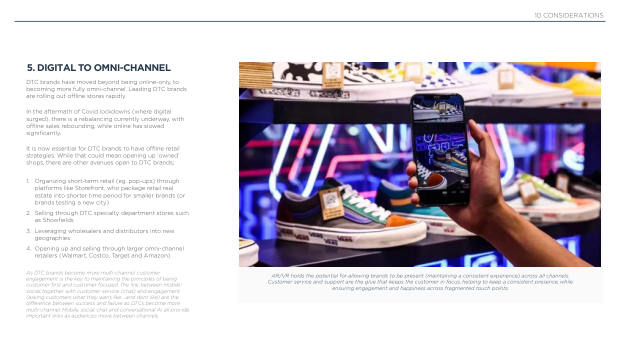
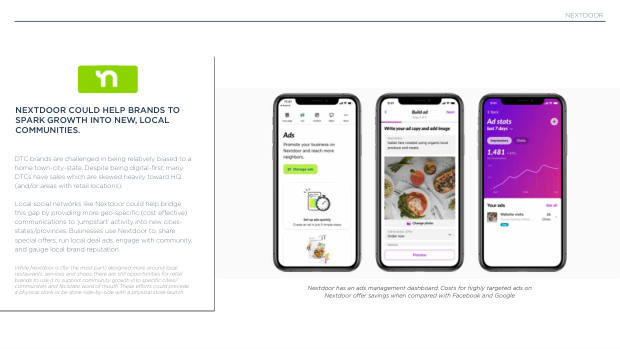
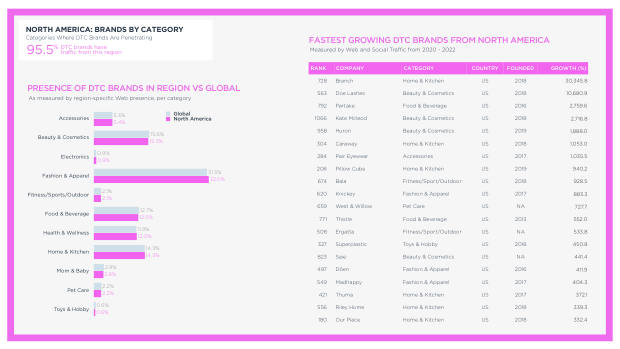
2020 research found 77% of DTC brands sold more than half their volume in or near a headquarters or hub city, and more than 60% had no presence on Amazon. Geographic expansion — via marketplaces, distributors, pop-ups and hyper-local PR — is a major untapped growth lever, particularly for larger brands at risk of being relegated to regional-champion status.

Inside the report
The future of DTC marketing: why the digital-only playbook hit its ceiling — page 1The future of DTC marketing: why the digital-only playbook hit its ceiling — page 2The future of DTC marketing: why the digital-only playbook hit its ceiling — page 3The future of DTC marketing: why the digital-only playbook hit its ceiling — page 4The future of DTC marketing: why the digital-only playbook hit its ceiling — page 5The future of DTC marketing: why the digital-only playbook hit its ceiling — page 6The future of DTC marketing: why the digital-only playbook hit its ceiling — page 7The future of DTC marketing: why the digital-only playbook hit its ceiling — page 8The future of DTC marketing: why the digital-only playbook hit its ceiling — page 9The future of DTC marketing: why the digital-only playbook hit its ceiling — page 10The future of DTC marketing: why the digital-only playbook hit its ceiling — page 11The future of DTC marketing: why the digital-only playbook hit its ceiling — page 12The future of DTC marketing: why the digital-only playbook hit its ceiling — page 13The future of DTC marketing: why the digital-only playbook hit its ceiling — page 14The future of DTC marketing: why the digital-only playbook hit its ceiling — page 15The future of DTC marketing: why the digital-only playbook hit its ceiling — page 16The future of DTC marketing: why the digital-only playbook hit its ceiling — page 17The future of DTC marketing: why the digital-only playbook hit its ceiling — page 18The future of DTC marketing: why the digital-only playbook hit its ceiling — page 19The future of DTC marketing: why the digital-only playbook hit its ceiling — page 20The future of DTC marketing: why the digital-only playbook hit its ceiling — page 21The future of DTC marketing: why the digital-only playbook hit its ceiling — page 22The future of DTC marketing: why the digital-only playbook hit its ceiling — page 23The future of DTC marketing: why the digital-only playbook hit its ceiling — page 24The future of DTC marketing: why the digital-only playbook hit its ceiling — page 25The future of DTC marketing: why the digital-only playbook hit its ceiling — page 26The future of DTC marketing: why the digital-only playbook hit its ceiling — page 27The future of DTC marketing: why the digital-only playbook hit its ceiling — page 28The future of DTC marketing: why the digital-only playbook hit its ceiling — page 29The future of DTC marketing: why the digital-only playbook hit its ceiling — page 30The future of DTC marketing: why the digital-only playbook hit its ceiling — page 31The future of DTC marketing: why the digital-only playbook hit its ceiling — page 32The future of DTC marketing: why the digital-only playbook hit its ceiling — page 33The future of DTC marketing: why the digital-only playbook hit its ceiling — page 34The future of DTC marketing: why the digital-only playbook hit its ceiling — page 35The future of DTC marketing: why the digital-only playbook hit its ceiling — page 36The future of DTC marketing: why the digital-only playbook hit its ceiling — page 37The future of DTC marketing: why the digital-only playbook hit its ceiling — page 38The future of DTC marketing: why the digital-only playbook hit its ceiling — page 39The future of DTC marketing: why the digital-only playbook hit its ceiling — page 40The future of DTC marketing: why the digital-only playbook hit its ceiling — page 41The future of DTC marketing: why the digital-only playbook hit its ceiling — page 42The future of DTC marketing: why the digital-only playbook hit its ceiling — page 43The future of DTC marketing: why the digital-only playbook hit its ceiling — page 44The future of DTC marketing: why the digital-only playbook hit its ceiling — page 45The future of DTC marketing: why the digital-only playbook hit its ceiling — page 46The future of DTC marketing: why the digital-only playbook hit its ceiling — page 47The future of DTC marketing: why the digital-only playbook hit its ceiling — page 48The future of DTC marketing: why the digital-only playbook hit its ceiling — page 49The future of DTC marketing: why the digital-only playbook hit its ceiling — page 50The future of DTC marketing: why the digital-only playbook hit its ceiling — page 51The future of DTC marketing: why the digital-only playbook hit its ceiling — page 52The future of DTC marketing: why the digital-only playbook hit its ceiling — page 53The future of DTC marketing: why the digital-only playbook hit its ceiling — page 54The future of DTC marketing: why the digital-only playbook hit its ceiling — page 55The future of DTC marketing: why the digital-only playbook hit its ceiling — page 56The future of DTC marketing: why the digital-only playbook hit its ceiling — page 57The future of DTC marketing: why the digital-only playbook hit its ceiling — page 58The future of DTC marketing: why the digital-only playbook hit its ceiling — page 59The future of DTC marketing: why the digital-only playbook hit its ceiling — page 60The future of DTC marketing: why the digital-only playbook hit its ceiling — page 61The future of DTC marketing: why the digital-only playbook hit its ceiling — page 62The future of DTC marketing: why the digital-only playbook hit its ceiling — page 63The future of DTC marketing: why the digital-only playbook hit its ceiling — page 64The future of DTC marketing: why the digital-only playbook hit its ceiling — page 65The future of DTC marketing: why the digital-only playbook hit its ceiling — page 66The future of DTC marketing: why the digital-only playbook hit its ceiling — page 67The future of DTC marketing: why the digital-only playbook hit its ceiling — page 68The future of DTC marketing: why the digital-only playbook hit its ceiling — page 69The future of DTC marketing: why the digital-only playbook hit its ceiling — page 70The future of DTC marketing: why the digital-only playbook hit its ceiling — page 71The future of DTC marketing: why the digital-only playbook hit its ceiling — page 72The future of DTC marketing: why the digital-only playbook hit its ceiling — page 73The future of DTC marketing: why the digital-only playbook hit its ceiling — page 74The future of DTC marketing: why the digital-only playbook hit its ceiling — page 75The future of DTC marketing: why the digital-only playbook hit its ceiling — page 76The future of DTC marketing: why the digital-only playbook hit its ceiling — page 77The future of DTC marketing: why the digital-only playbook hit its ceiling — page 78The future of DTC marketing: why the digital-only playbook hit its ceiling — page 79The future of DTC marketing: why the digital-only playbook hit its ceiling — page 80The future of DTC marketing: why the digital-only playbook hit its ceiling — page 81The future of DTC marketing: why the digital-only playbook hit its ceiling — page 82The future of DTC marketing: why the digital-only playbook hit its ceiling — page 83The future of DTC marketing: why the digital-only playbook hit its ceiling — page 84The future of DTC marketing: why the digital-only playbook hit its ceiling — page 85The future of DTC marketing: why the digital-only playbook hit its ceiling — page 86The future of DTC marketing: why the digital-only playbook hit its ceiling — page 87The future of DTC marketing: why the digital-only playbook hit its ceiling — page 88The future of DTC marketing: why the digital-only playbook hit its ceiling — page 89The future of DTC marketing: why the digital-only playbook hit its ceiling — page 90The future of DTC marketing: why the digital-only playbook hit its ceiling — page 91The future of DTC marketing: why the digital-only playbook hit its ceiling — page 92The future of DTC marketing: why the digital-only playbook hit its ceiling — page 93The future of DTC marketing: why the digital-only playbook hit its ceiling — page 94The future of DTC marketing: why the digital-only playbook hit its ceiling — page 95The future of DTC marketing: why the digital-only playbook hit its ceiling — page 96The future of DTC marketing: why the digital-only playbook hit its ceiling — page 97The future of DTC marketing: why the digital-only playbook hit its ceiling — page 98The future of DTC marketing: why the digital-only playbook hit its ceiling — page 99The future of DTC marketing: why the digital-only playbook hit its ceiling — page 100The future of DTC marketing: why the digital-only playbook hit its ceiling — page 101The future of DTC marketing: why the digital-only playbook hit its ceiling — page 102The future of DTC marketing: why the digital-only playbook hit its ceiling — page 103The future of DTC marketing: why the digital-only playbook hit its ceiling — page 104The future of DTC marketing: why the digital-only playbook hit its ceiling — page 105The future of DTC marketing: why the digital-only playbook hit its ceiling — page 106The future of DTC marketing: why the digital-only playbook hit its ceiling — page 107The future of DTC marketing: why the digital-only playbook hit its ceiling — page 108The future of DTC marketing: why the digital-only playbook hit its ceiling — page 109The future of DTC marketing: why the digital-only playbook hit its ceiling — page 110The future of DTC marketing: why the digital-only playbook hit its ceiling — page 111The future of DTC marketing: why the digital-only playbook hit its ceiling — page 112
Questions this report answers

Is the DTC model dead?

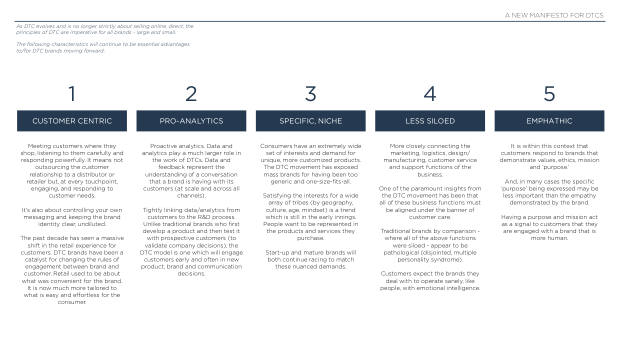
No. The report frames DTC as at an inflection point, not an end. The narrow, digital-only playbook has hit its limits, but the principles it introduced — customer centricity, first-party data, community and empathy — are becoming essential for all brands, large and small.

Why has it become so hard to scale a DTC brand?

Rising acquisition costs (Facebook CPMs up 5,000%+ since 2012), a crowded field, deteriorating supply chains and weaker unit economics than the SaaS metrics investors originally assumed. The playbook typically stalls around $10M in revenue without a strategic re-formulation.

What should DTC brands do about rising ad costs?

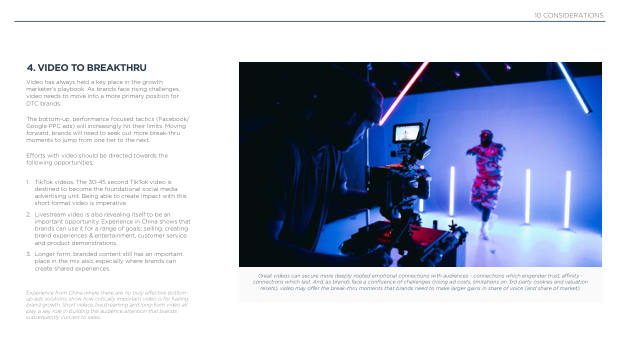
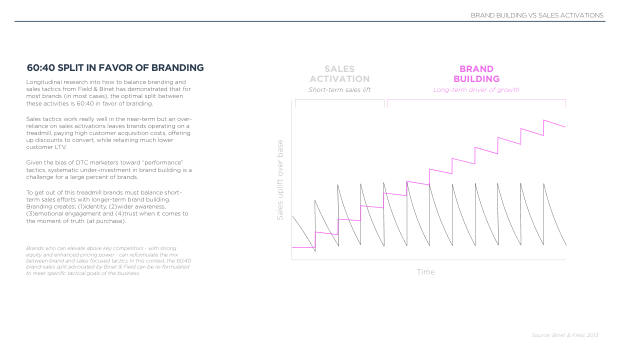
Diversify off Facebook and Google toward under-priced attention — TikTok, livestreaming, influencers, PR and community — while lifting brand-building (top-of-funnel) work alongside performance ads. Video is positioned as the key breakthrough format.
How are traditional brands responding?

They have gone direct themselves — Nike, Adidas and Puma each now take more than 30% of revenue direct — and launched boutique sub-brands to compete head-to-head with DTC challengers, aided by Covid accelerating their digital transformation.

What is the "Top 200" list and how is it built?

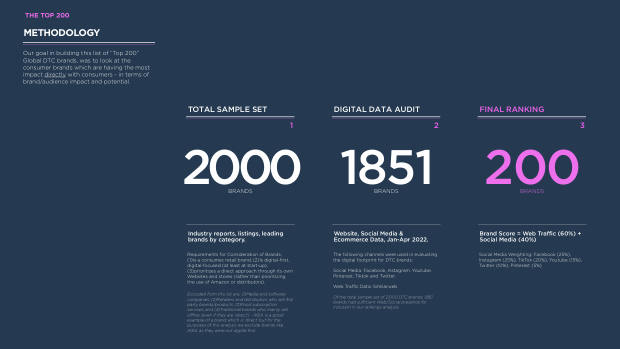
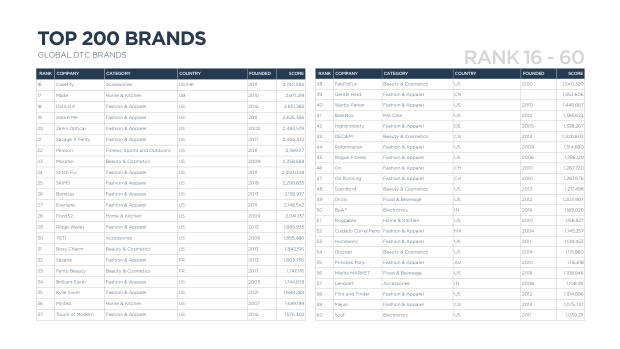
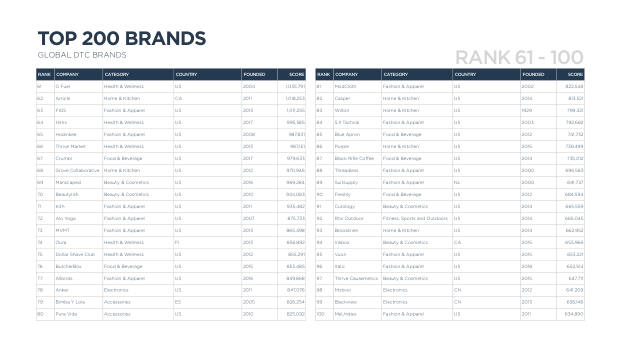
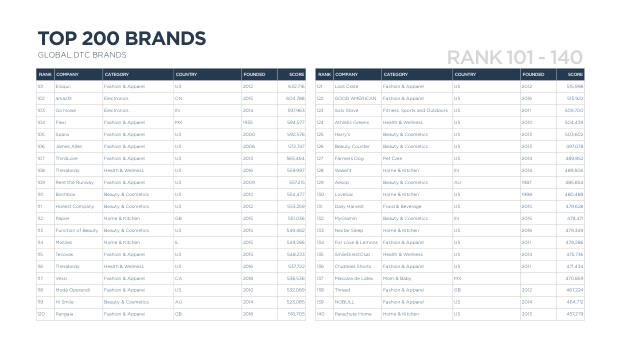
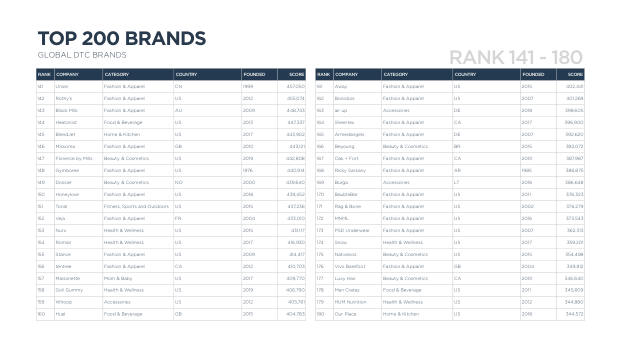
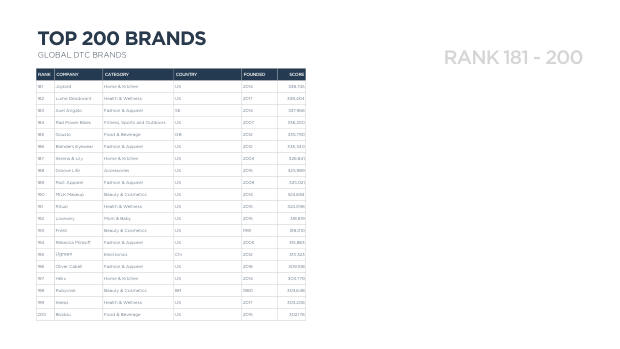
It is Totem's ranking of leading global DTC brands, drawn from a monitored set of 2,000 brands (1,851 with sufficient digital footprint). Brands are scored on web traffic (60%) and social media (40%), using data from January-April 2022.

Methodology

The report draws on Totem's work with brands at all stages of growth, its data analysis of the world's leading DTC brands, and its blend of expertise across China and global markets. Its "Top 200" ranking starts from a monitored universe of 2,000 DTC brands, of which 1,851 had sufficient website, social and ecommerce presence (audited January-April 2022 across Facebook, Instagram, YouTube, Pinterest, TikTok and Twitter, with web traffic via SimilarWeb) for inclusion. A brand score weights web traffic at 60% and social media at 40%. Market-scale figures are sourced from eMarketer, Statista, McKinsey, PipeCandy and Shopify.

Free report

Get the full report

Leave your details and we'll send the PDF to your inbox.

Your details go to Totem, never shared. Unsubscribe anytime.
← All reports