2020 China Marketing Trends: the year category leaders pull away from the pack
This is Totem's fifth annual China marketing report, built from interviews with 30+ senior marketers and a survey of 42 mostly-global brands on their 2020 plans. The through-line for 2020 is divergence: after a tense 2019 of trade-war uncertainty, rising costs and declining ROI, category leaders are positioned to consolidate share while middle-of-the-pack brands face hard questions about whether their position in the market is still worth defending.
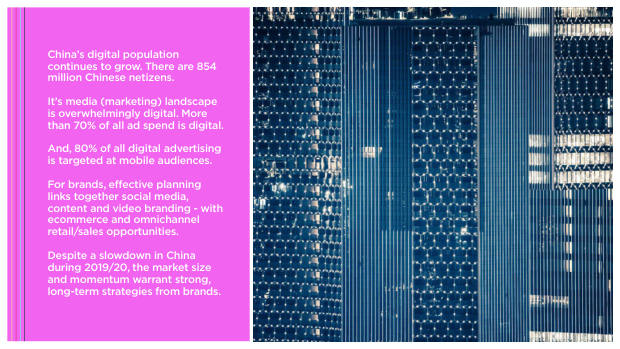
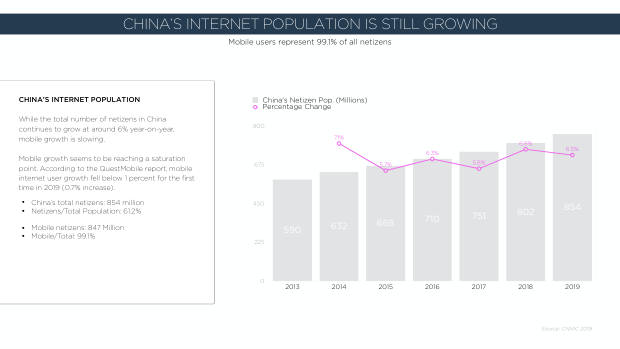
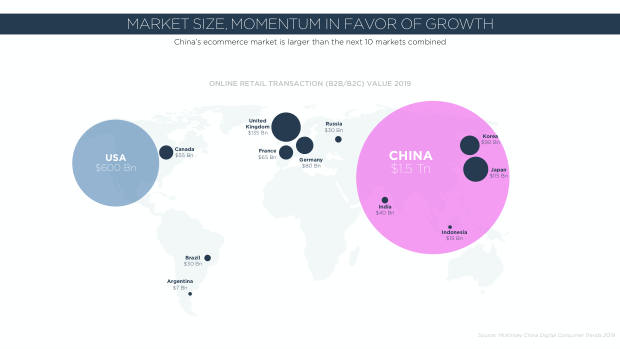
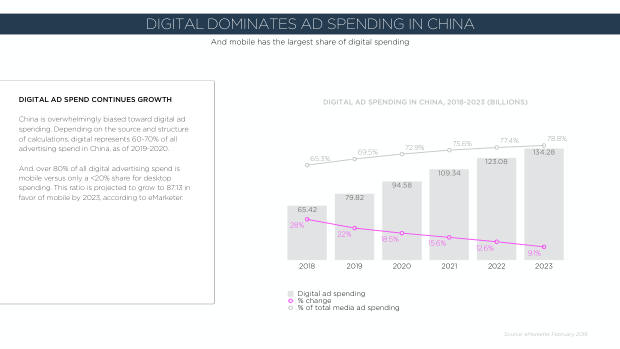
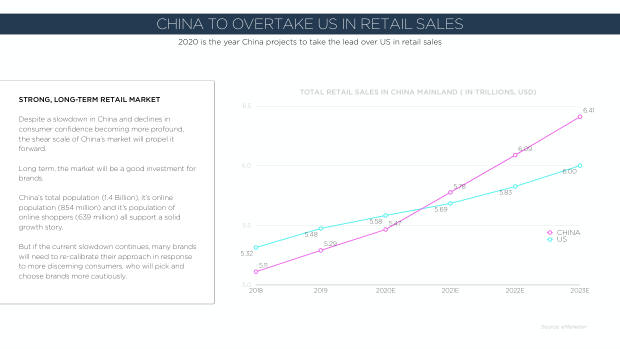
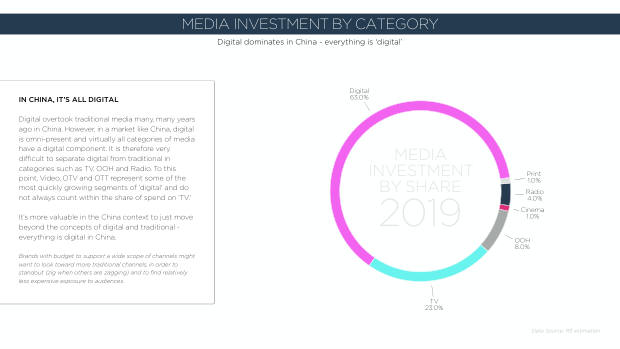
China remains distinctly digital — 854 million netizens (99.1% on mobile), more than 70% of ad spend digital, and an online-retail market ($1.5 trillion in 2019) larger than the next ten markets combined. But the report argues the market has over-indexed on sales activation and performance marketing at the expense of brand building, leaving weaker brands on a discounting treadmill.
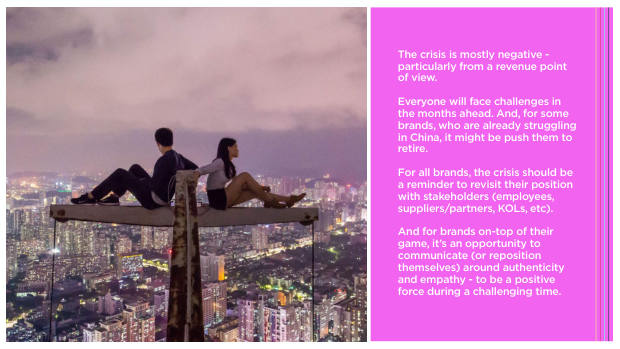
The report was finalised just as news of the coronavirus broke; an added opening section frames the outbreak as a compounding strain on an already-difficult year, and a prompt for brands to revisit their positioning around authenticity, empathy and long-term purpose.
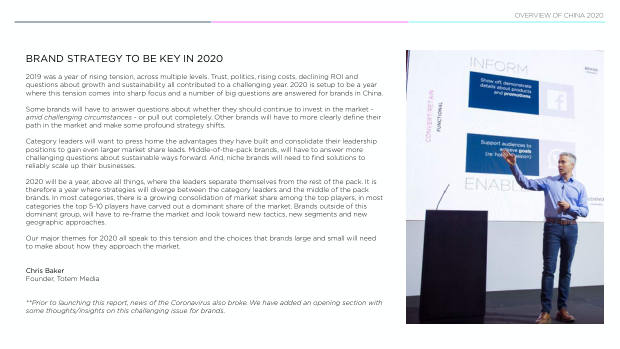
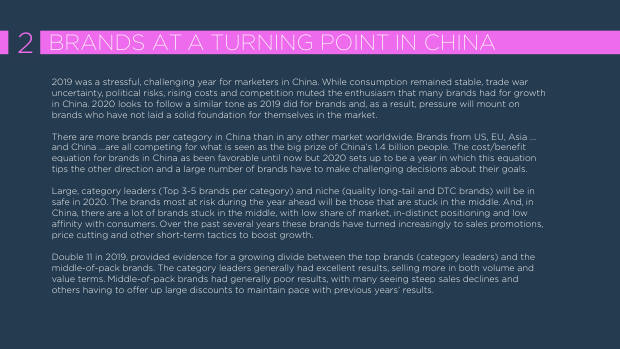
Category leaders separate from the pack.
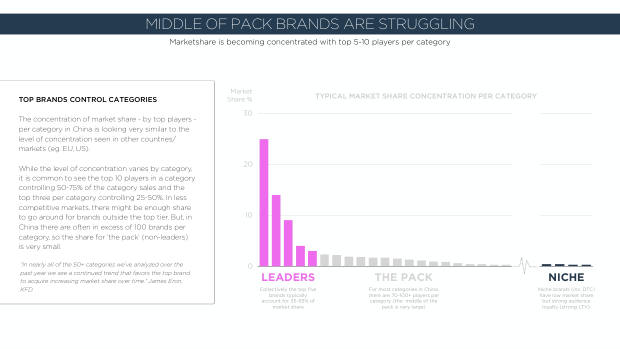
Across most categories the top five brands hold 35–65% of share, and Double 11 2019 widened the gap — leaders grew in volume and value while middle-tier brands posted steep declines or discounted heavily to keep pace. Totem's survey found leading brands planning budget increases while middle-of-pack brands held budgets flat.
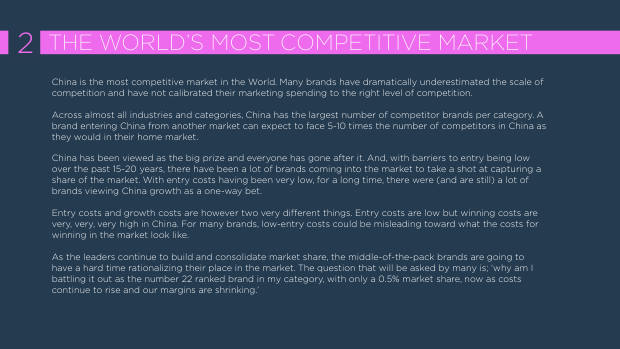
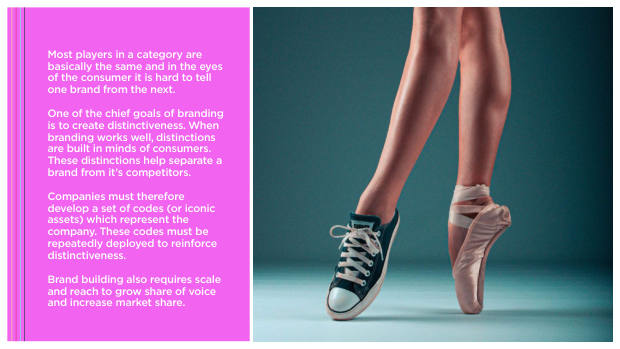
The world's most competitive market punishes the undifferentiated.
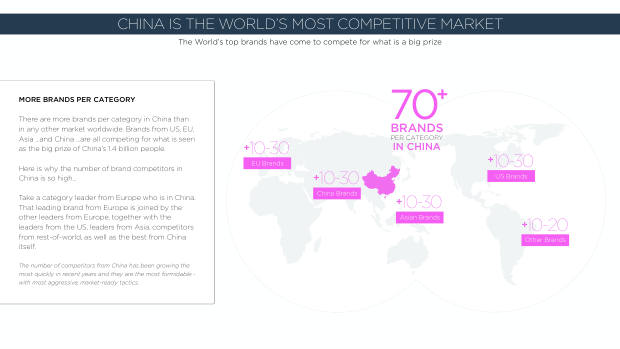
A brand entering China faces 5–10x the competitors of its home market — often 70–100+ per category. Entry costs are low but "winning costs are very, very high"; the number 22 brand at 0.5% share can no longer rationalise the fight as costs rise and margins shrink.
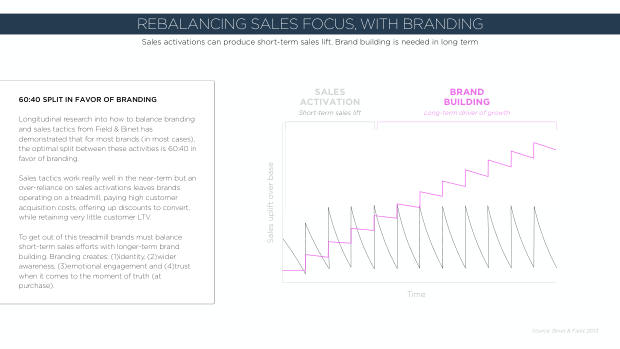
Rebalance toward brand building (60:40).
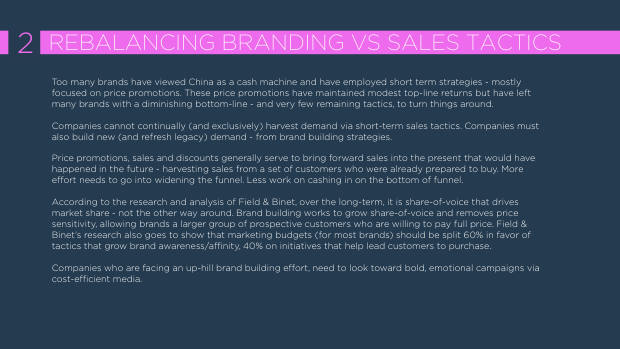
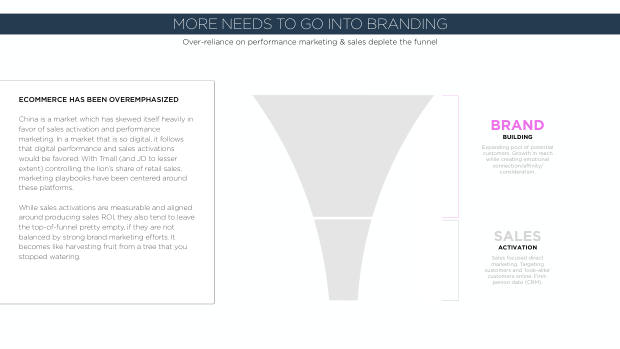
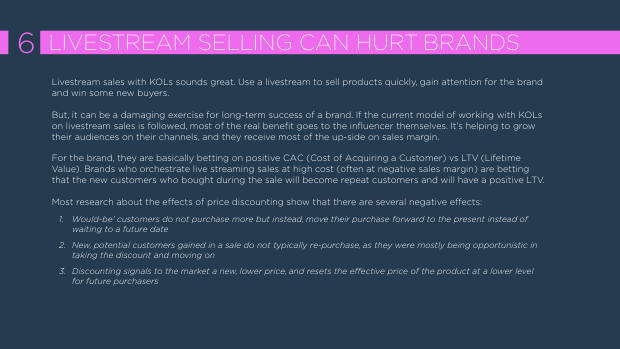
Citing Field & Binet, the report argues most brands should split budgets 60% brand / 40% activation. Over-reliance on price promotion merely pulls forward sales from customers already ready to buy, while depleting the top of the funnel — "harvesting fruit from a tree you stopped watering."
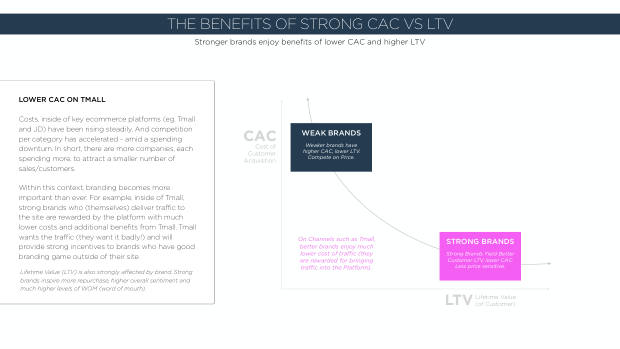
Strong brands win on both CAC and LTV.
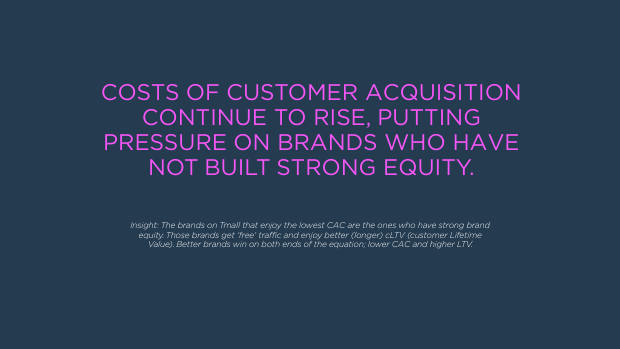
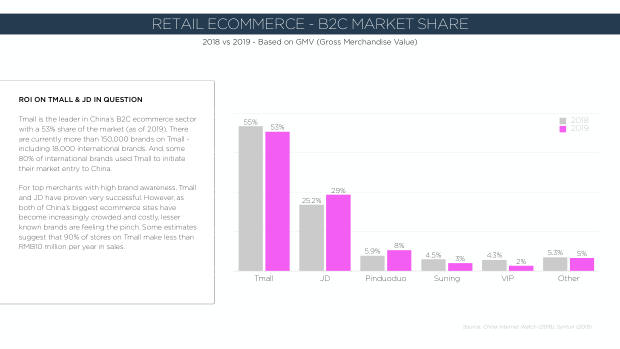
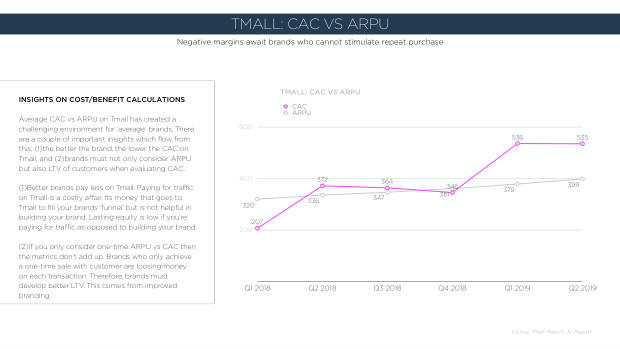
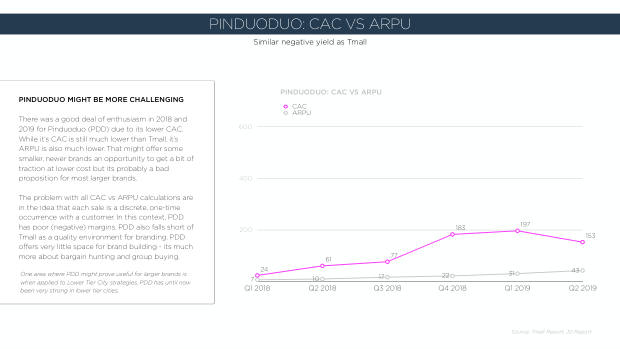
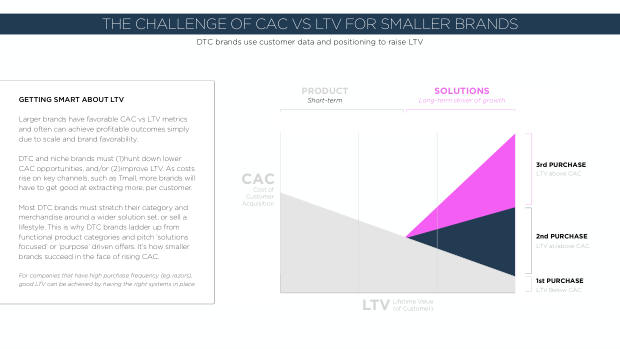
On Tmall, brands that bring their own traffic are rewarded with lower acquisition costs; weak brands pay more for traffic and retain less. With one-time ARPU often below CAC, lifetime value — built through branding — is what makes the economics work. Some estimates put 90% of Tmall stores below RMB10 million in annual sales.
Discounting is doing lasting damage.
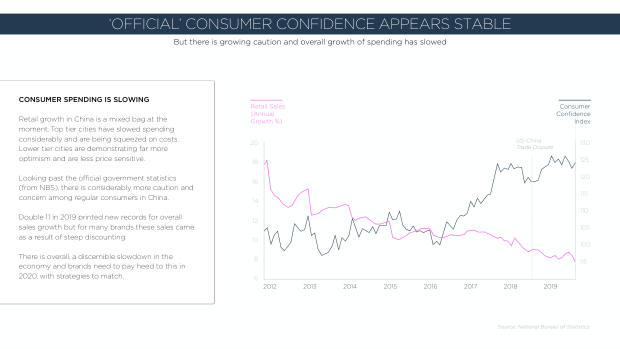
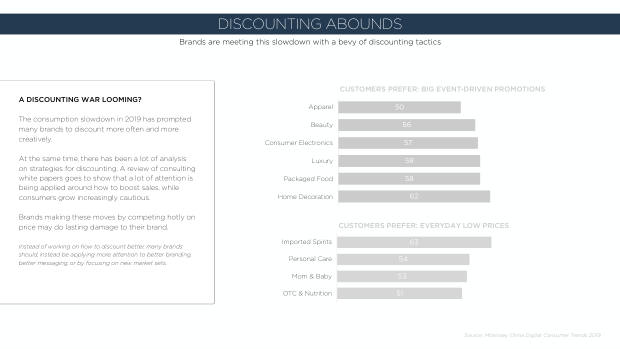
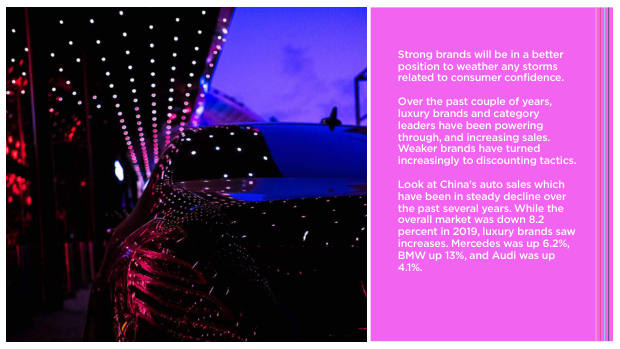
The 2019 slowdown pushed brands into more frequent, more creative discounting. In autos, the overall market fell 8.2% in 2019 yet luxury rose — Mercedes +6.2%, BMW +13%, Audi +4.1% — evidence that equity, not price-cutting, insulates brands in a downturn.
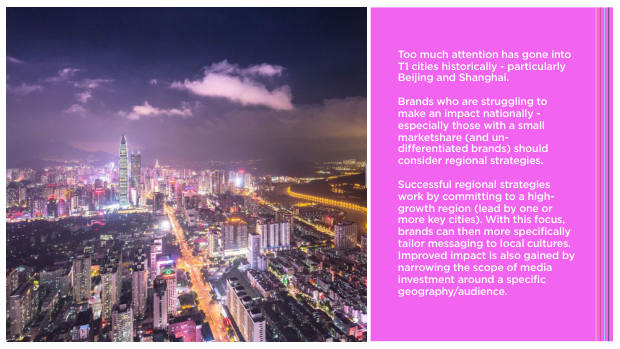
Regional and lower-tier growth is now mission-critical.
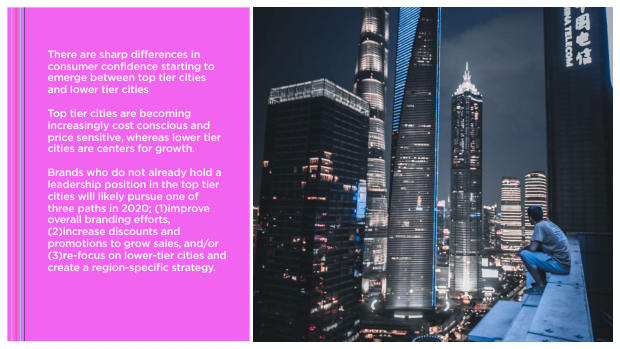
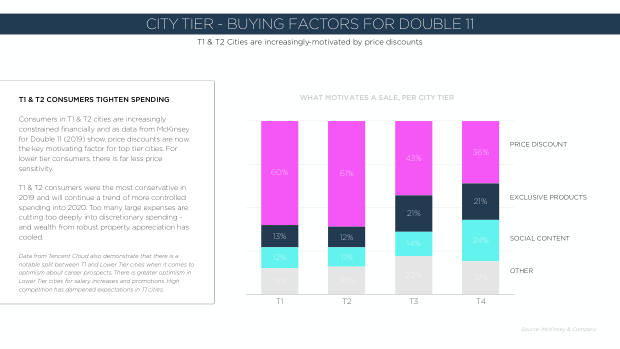
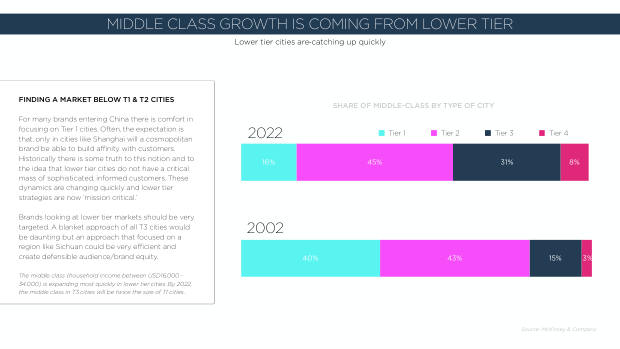
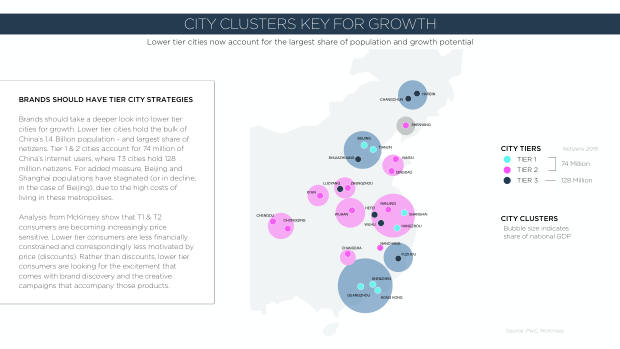
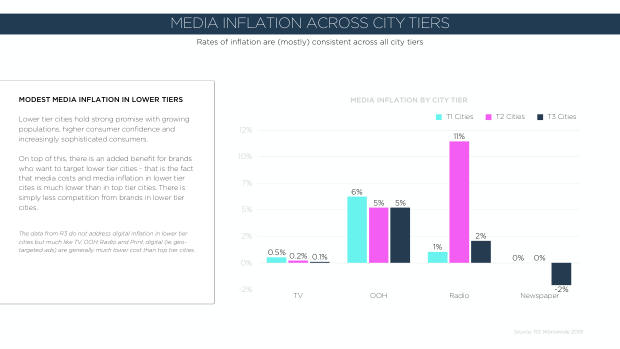
T1/T2 consumers are tightening spend and are increasingly price-driven, while lower-tier cities show more optimism and less price sensitivity. By 2022 the T3 middle class is projected to be twice the size of T1's; focused regional plays (a Sichuan strategy over a blanket T3 approach) offer cheaper media and defensible equity.
Private traffic and KOCs rise as bottom-funnel tools.
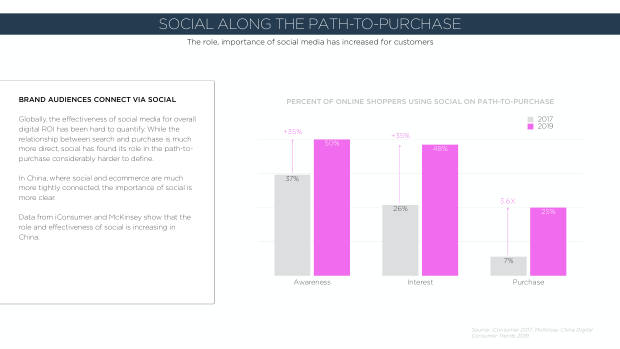
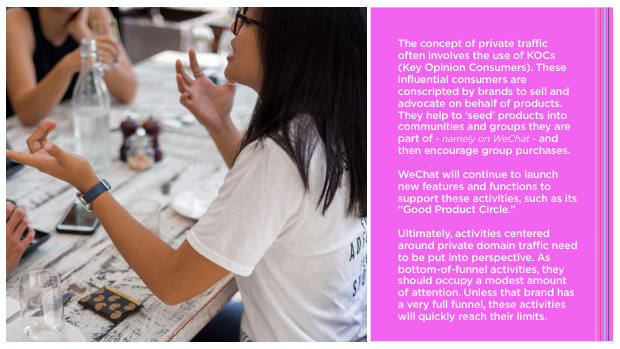
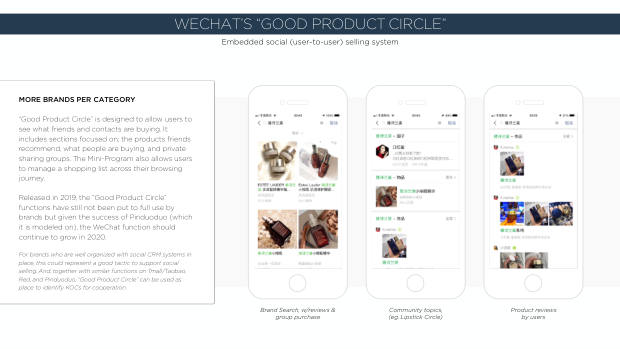
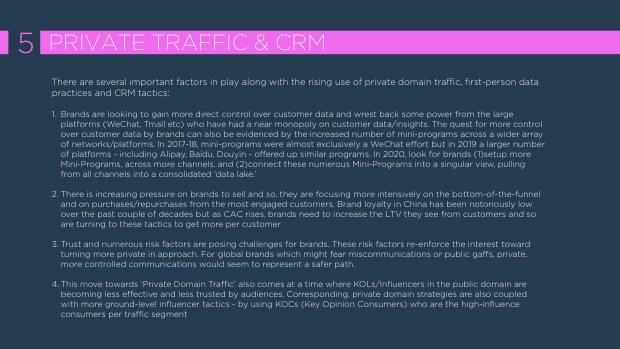
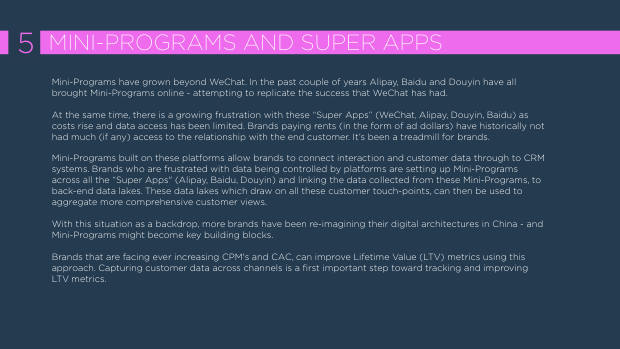
Brands are building private communities and enlisting Key Opinion Consumers to drive user-get-user sales, partly to wrest customer data back from the platforms. The report cautions these are bottom-of-funnel tactics that reach their limits quickly unless the funnel above them is full.
WeChat is hitting its reach limits.
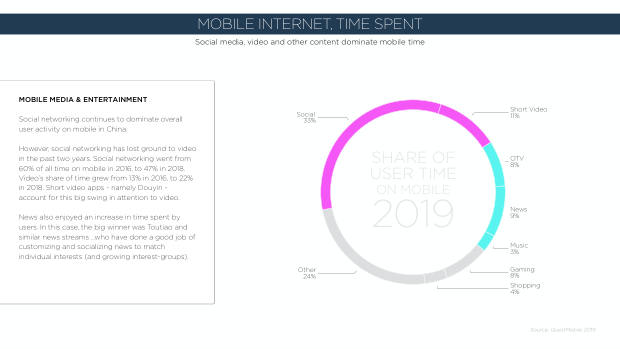
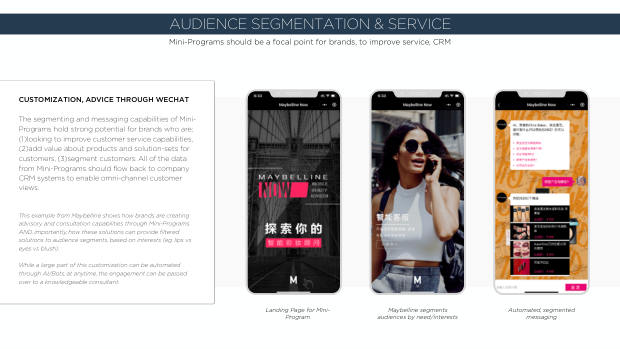
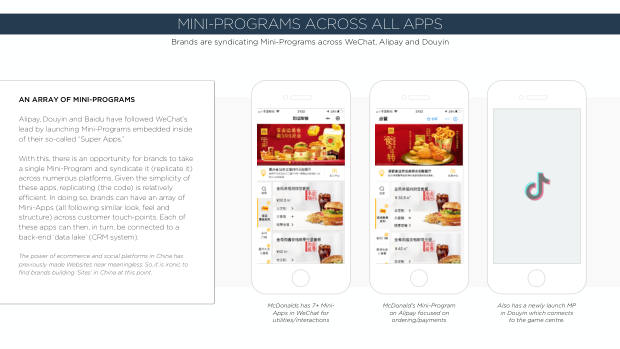
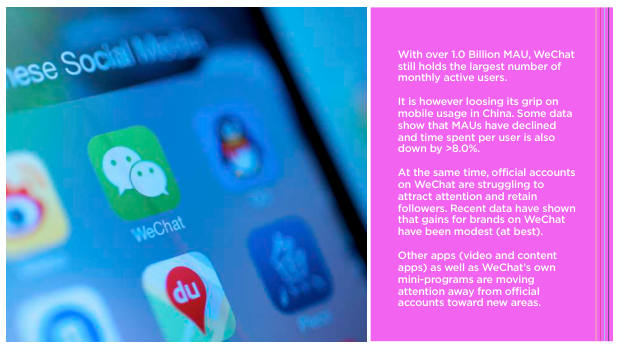
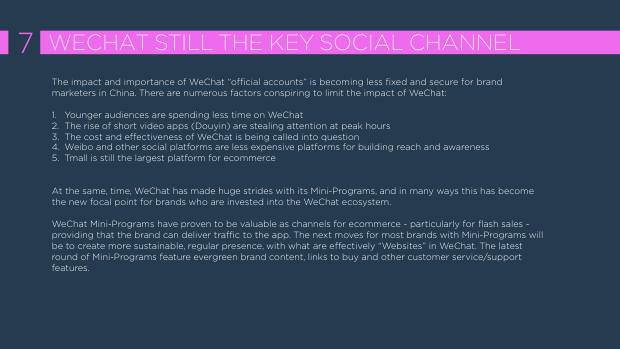
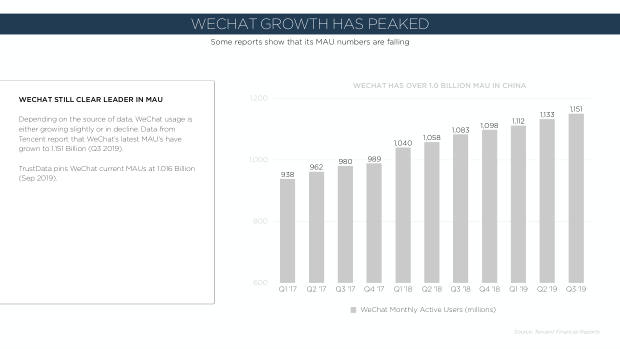
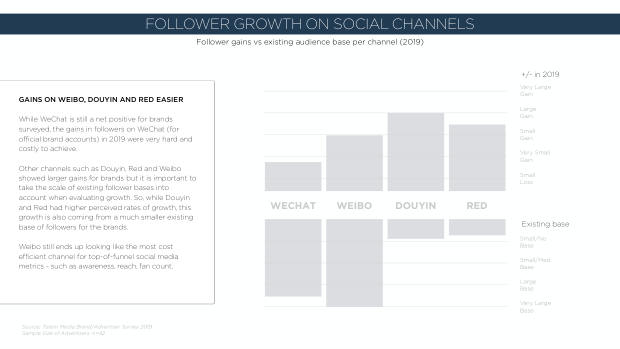
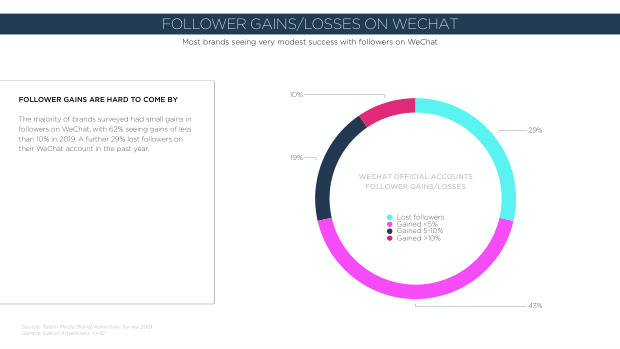
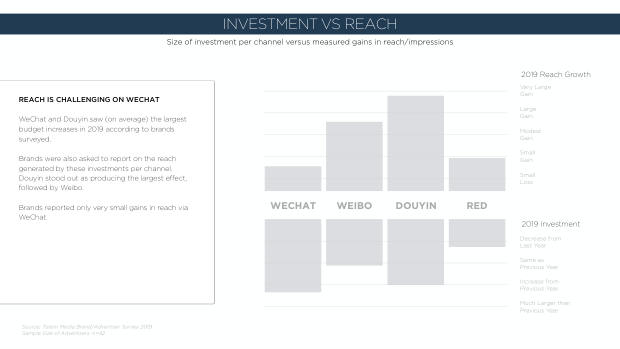
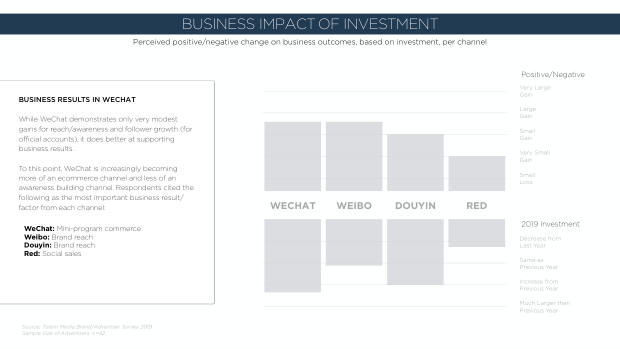
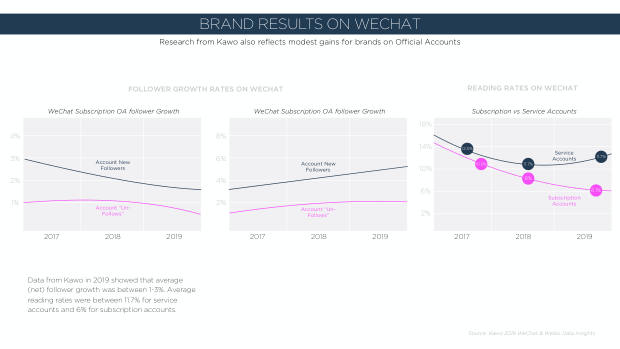
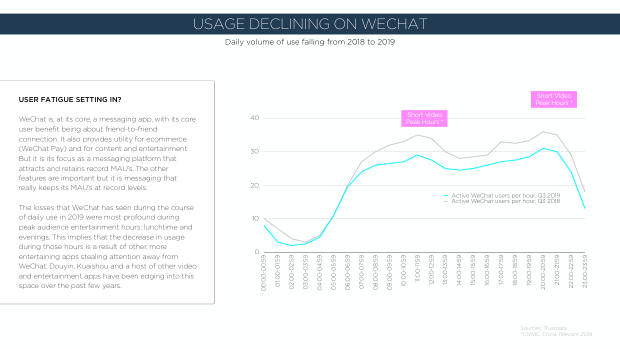
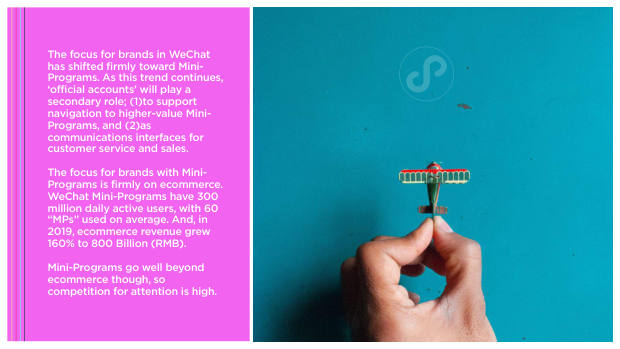
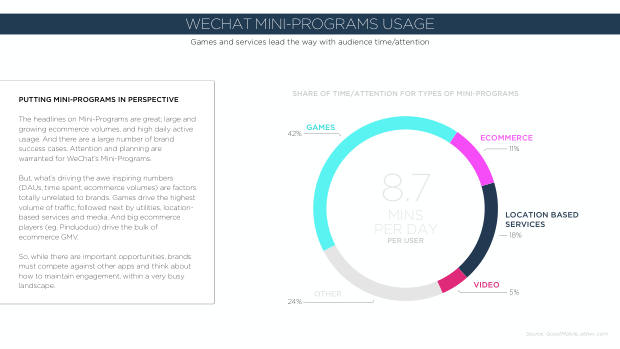
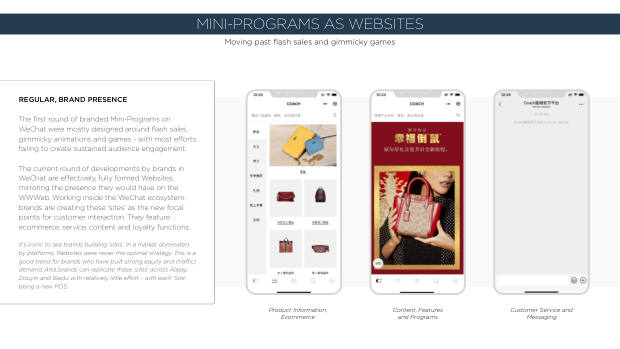
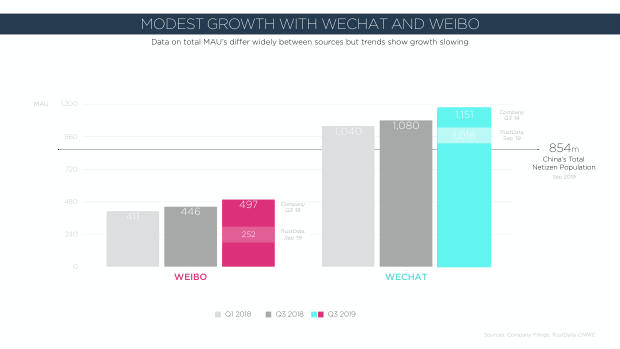
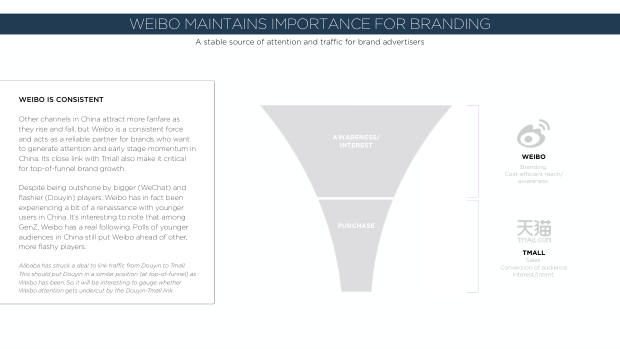
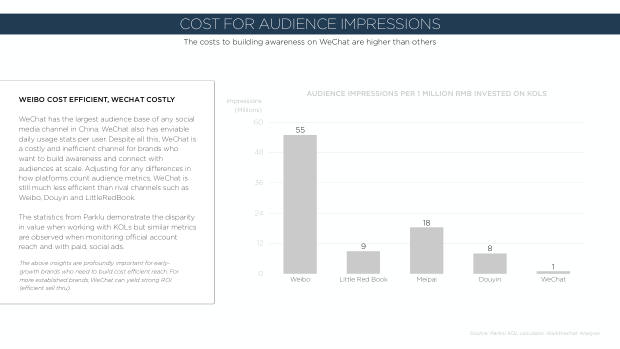
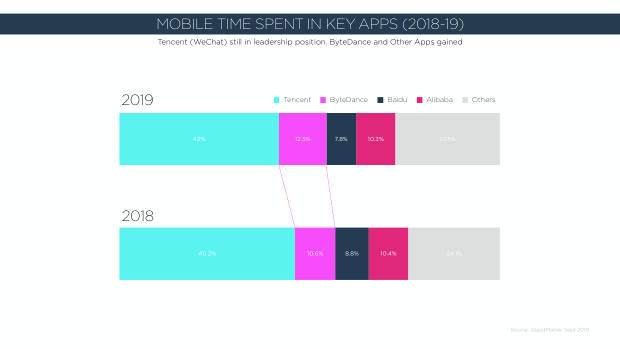
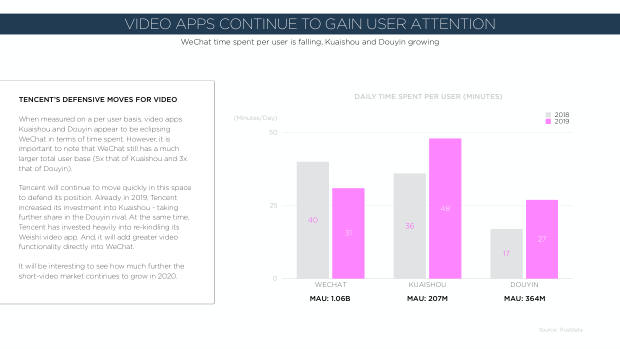
Despite 1.0 billion+ MAU, official-account gains are hard-won: 29% of surveyed brands lost WeChat followers in 2019 and 62% gained under 10%. Reading rates and peak-hour usage are slipping to short-video apps, pushing WeChat's brand value toward Mini-Programs, commerce and service rather than awareness.


What is the central theme of Totem's 2020 report?
Divergence. 2020 is framed as the year category leaders separate from the pack — leaders consolidate share while brands stuck in the middle, with low share and indistinct positioning, face decisions about whether to keep investing.
How were brands planning to spend in 2020?
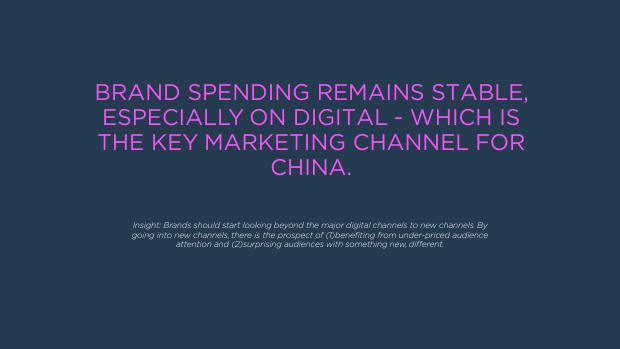
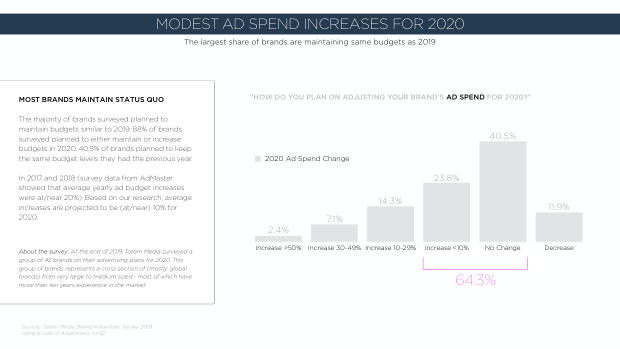
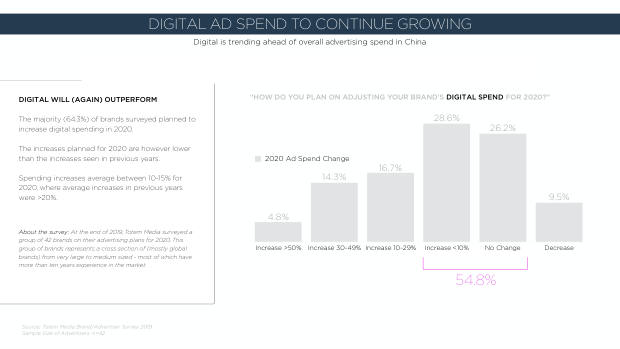
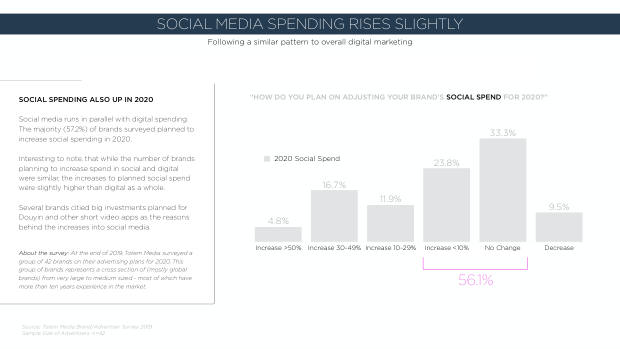
Cautiously. 88% of the 42 surveyed brands planned to maintain or increase budgets, with 40.5% holding flat; average increases were projected near 10% (versus ~20% in prior years), and digital/social increases of 10–15% (versus >20% before).
Why does the report push brands away from discounting?
Because price promotion mostly brings forward sales that would have happened anyway, trains customers on a lower price, and drains the top of the funnel. Totem advocates a 60:40 brand-to-activation split and bold, emotional campaigns via cost-efficient media.
How does the coronavirus factor in?
News broke just before launch, so Totem added an opening section. Its view: the crisis is largely negative for revenue and will compound an already-difficult year, but it's also a moment for strong brands to reposition around authenticity, empathy and purpose.
How competitive is China really?
The most competitive market in the world — often 70–100+ brands per category and 5–10x the competitors of a brand's home market. Barriers to entry are low; the cost of actually winning is very high.
Totem's fifth consecutive annual China report, combining interviews with 30+ senior China marketers, data licensed from research firms and consultancies (credited per page), and a proprietary survey of 42 brands — mostly global, from very large to medium-sized, most with 10+ years in the market — on their 2020 budgets, allocations and channel experiences. A coronavirus section was added at finalisation.
Get the full report
Leave your details — we'll email you the PDF and give you the download straight away.