2025 China Marketing & Media Trends: a new paradigm of slower growth, and the first year of real budget cuts
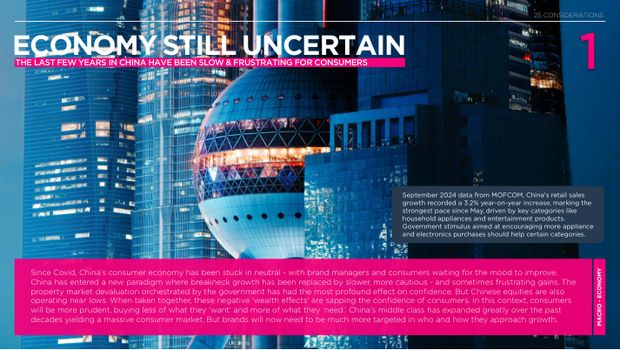
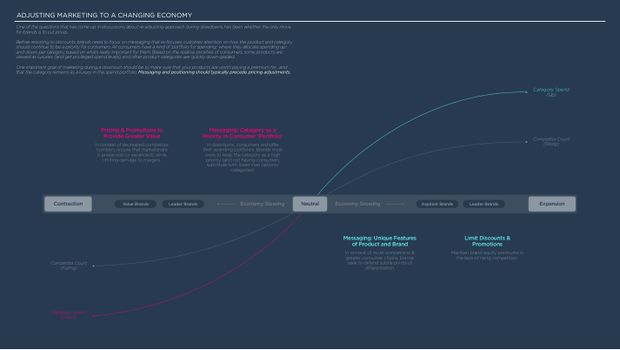
After several slow years by China's standards, 2025 marks the market's move into a new, structural phase of slower growth rather than a temporary dip. As China's middle class retreats and regroups, brand positioning and pricing become decisive, and brands must read shifts in sentiment both nationally and city-by-city. Adjusting to the slower pace has forced brands to slow down — and in some cases close down — with many retail locations shuttered and a growing number of brands and agencies retrenching.
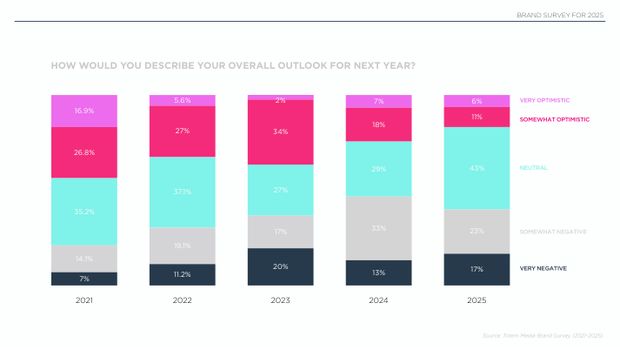
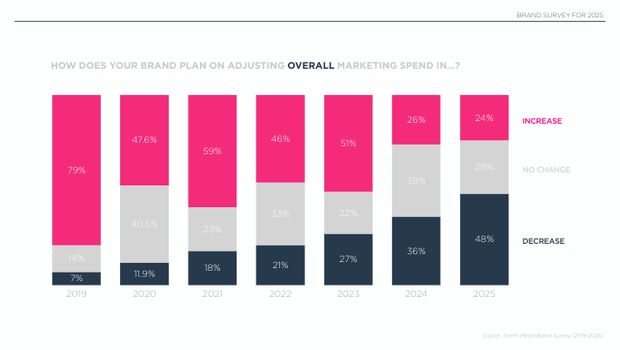
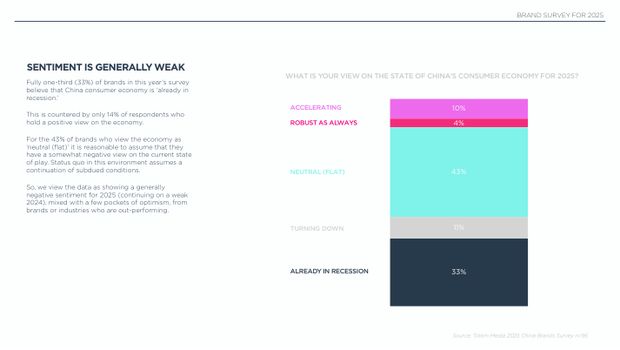
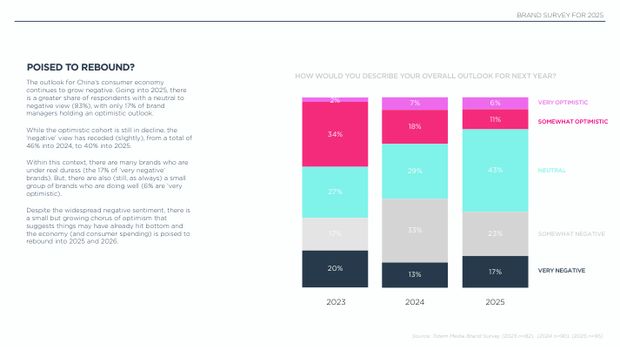
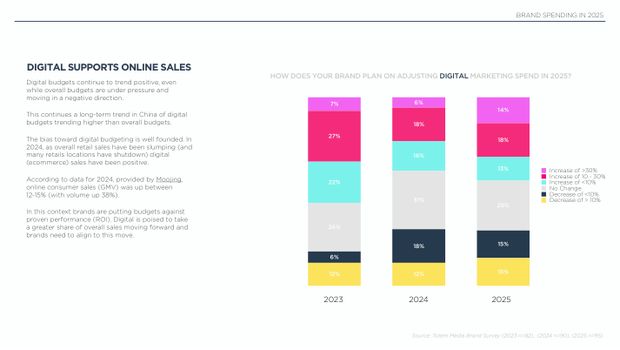
Totem's 10th annual survey, run with Campaign Asia across 95 marketing leaders, records the most cautious outlook in the report's history: neutral-to-optimistic sentiment for 2025 fell to 60%, and — for the first time since the survey began — a significant share of brands planned to cut marketing budgets outright rather than simply pause them. Efficiency and proof of return now outrank reach. Even so, digital remains the crucial tool in the marketer's playbook, and China still outpaces most developed markets in adopting digital commerce.
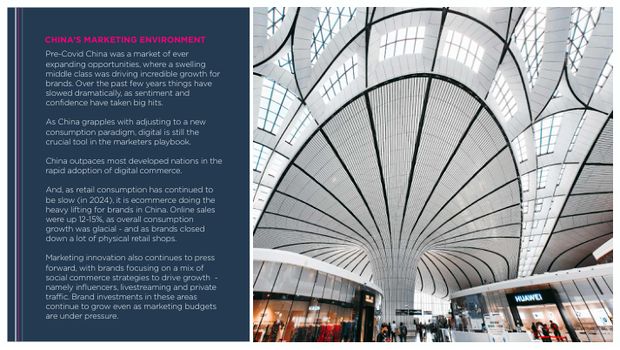
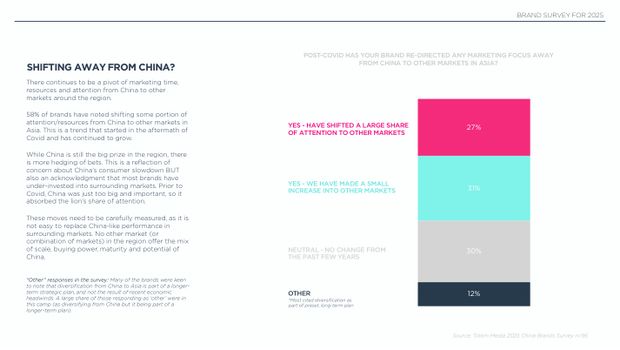
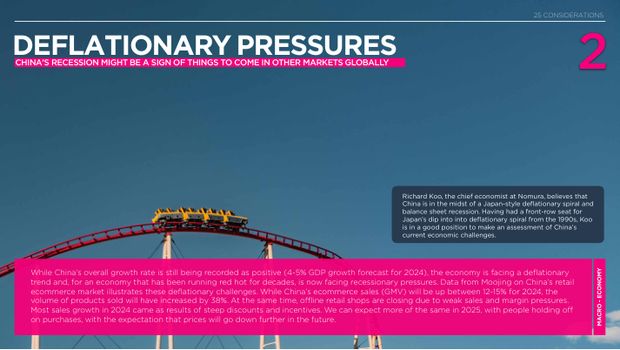
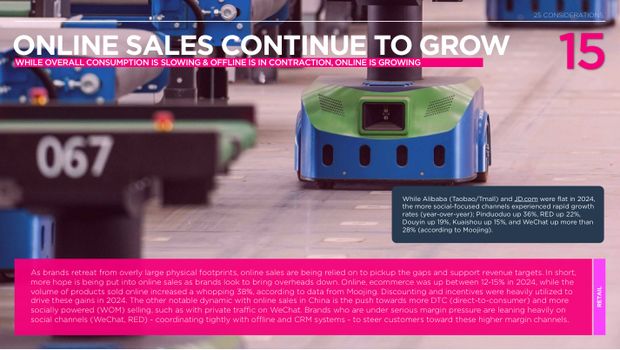
With physical retail slow through 2024, ecommerce did the heavy lifting — online sales rose an estimated 12–15% while overall consumption growth stayed glacial. The report frames 2025 as a year to reposition around a loyal core audience, protect margin against category-wide price wars, and outlast a thinning field — not to abandon the world's second-largest economy.
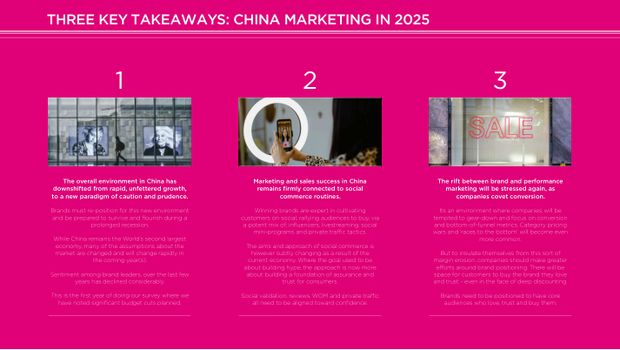
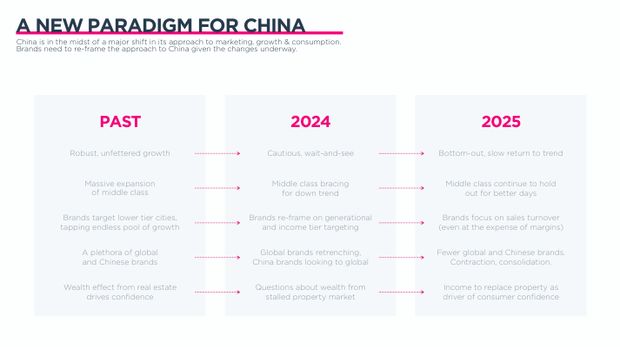
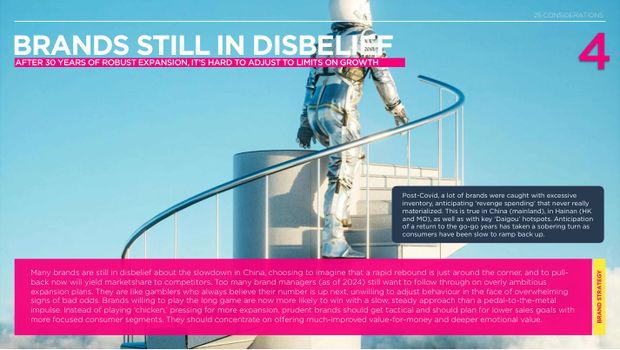
A new paradigm of slower growth.
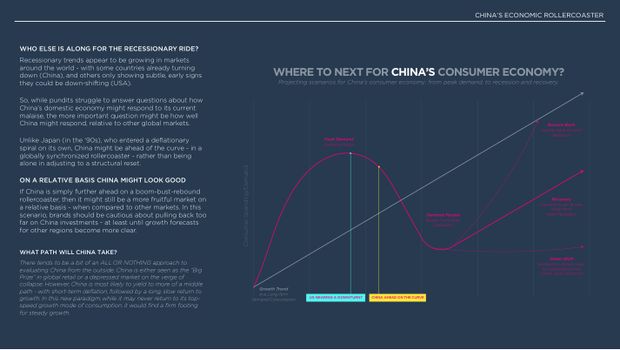
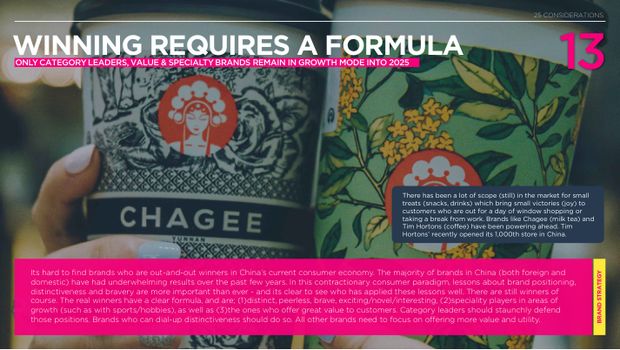
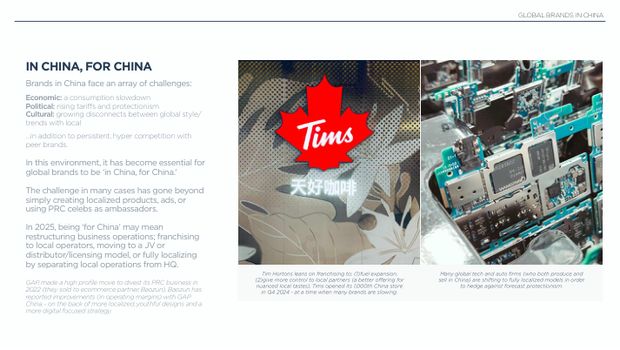
The market has downshifted from rapid, unfettered expansion to caution and prudence. Brands must reposition to survive — and flourish — through a prolonged slowdown, treating many long-held assumptions about China as no longer reliable.
Budgets get cut for the first time.
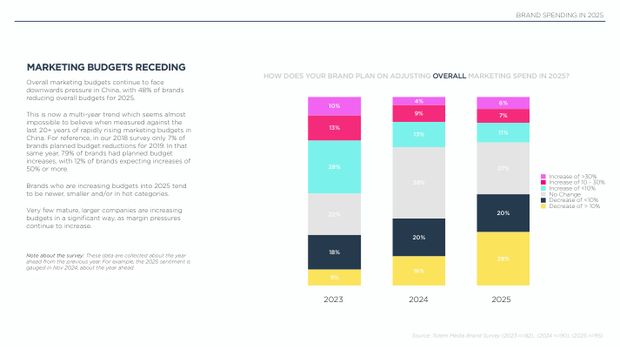
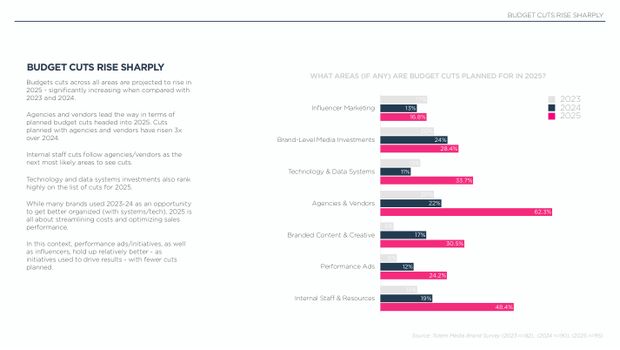
Sentiment among brand leaders has declined considerably, and 2025 is the first year of the survey in which brands planned significant budget cuts, not just a pause. The theme is fewer, higher-impact campaigns over spray-and-pray.
The brand-vs-performance rift widens.
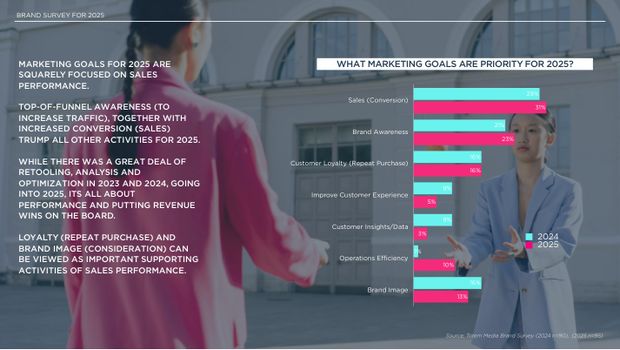
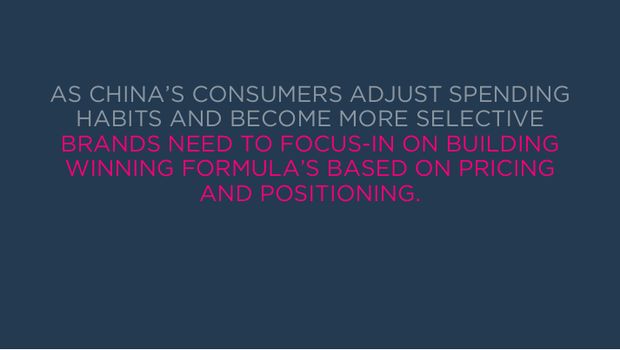
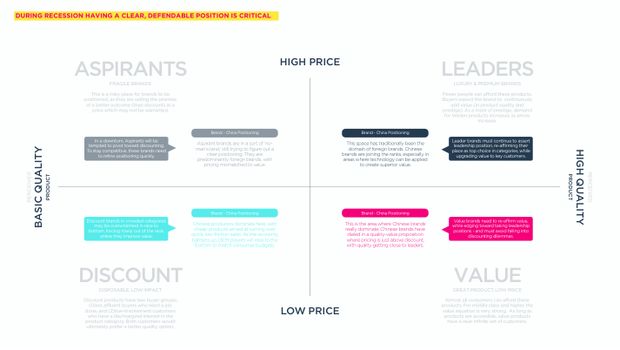
Tempted to gear down toward conversion and bottom-of-funnel metrics, companies risk deepening pricing wars and races to the bottom. The antidote is stronger brand positioning, so a core audience keeps buying the brand it loves and trusts even amid deep discounting.
Social commerce shifts from hype to assurance.
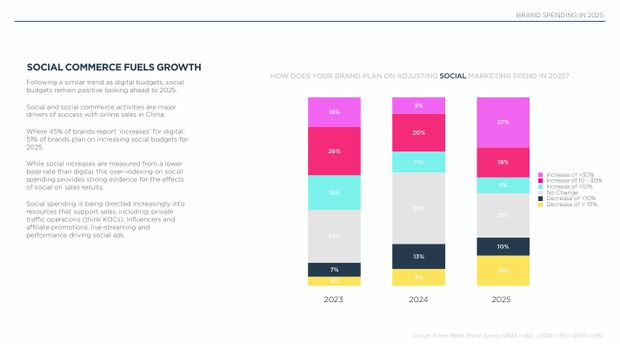
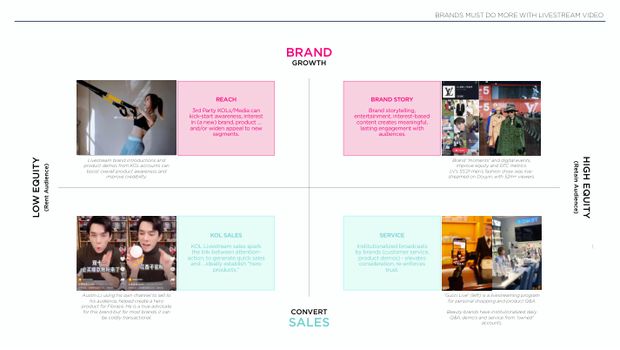
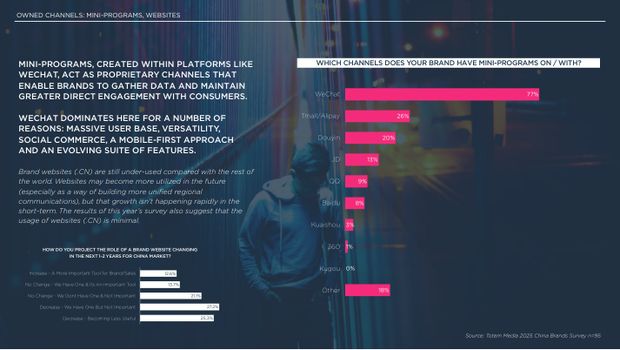
Marketing and sales success stays tied to social-commerce routines — influencers, livestreaming, social mini-programs and private traffic — but the goal moves from manufacturing hype to building a foundation of trust, with reviews, word-of-mouth and private traffic all aligned toward confidence.
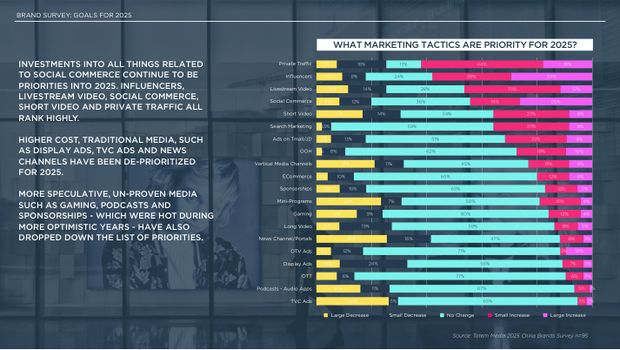
Social tactics up, traditional media down.
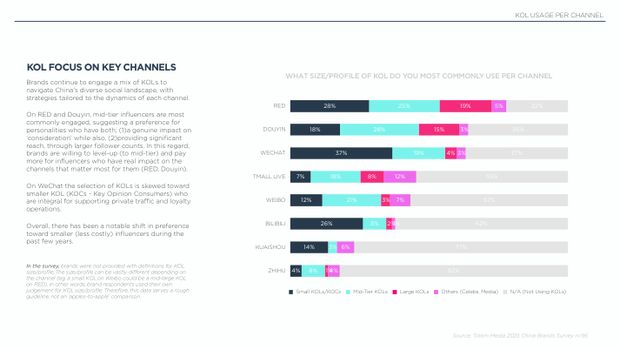
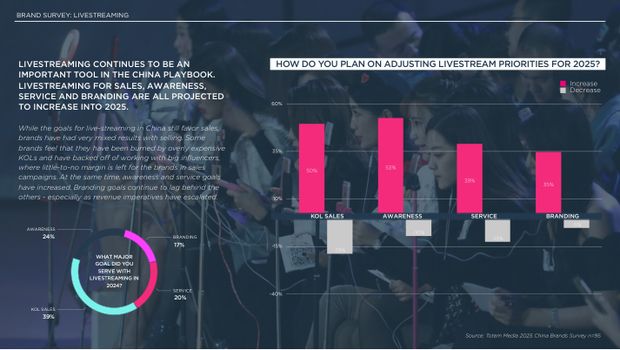
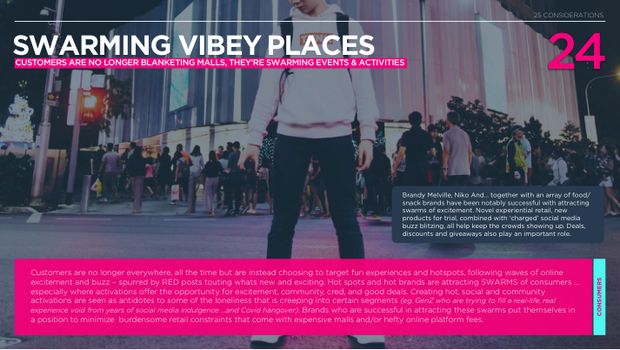
For 2025 brands prioritise private traffic, influencers, livestream and short video, while higher-cost display, TVC and news channels are de-prioritised. Speculative formats that were hot in optimistic years — gaming, podcasts and sponsorships — also fell down the list.
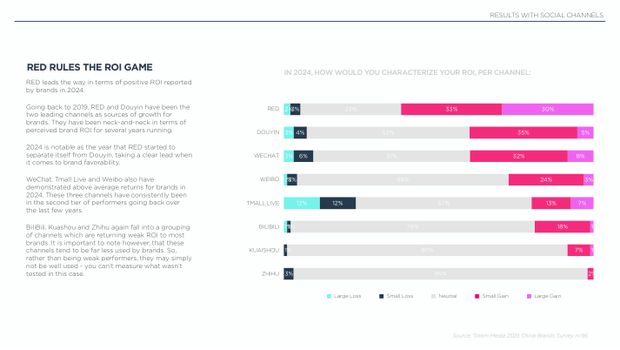
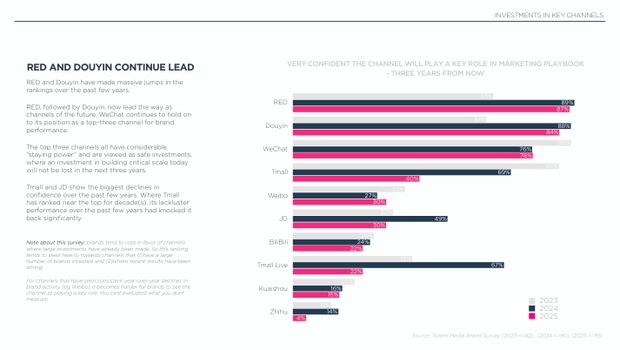
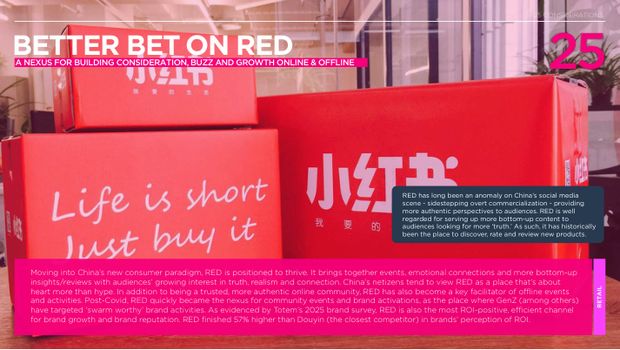
RED pulls ahead on ROI.
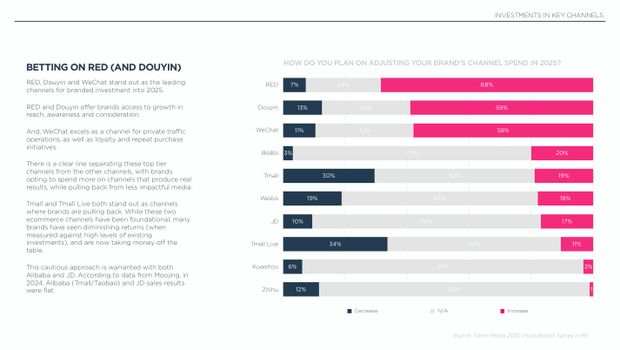
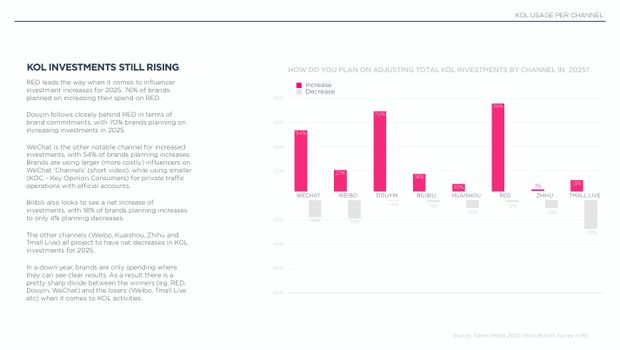
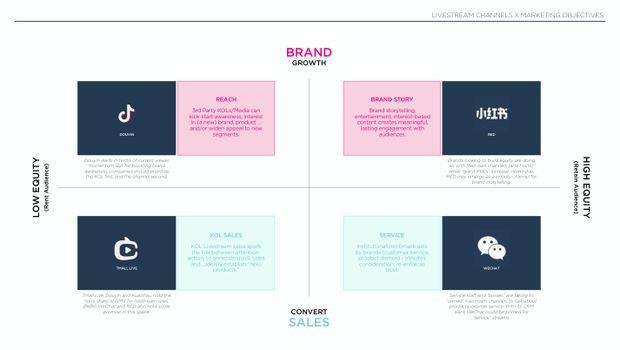
RED and Douyin have led perceived ROI since 2019, but 2024 was the year RED separated itself and took the clear lead. It also tops planned KOL investment for 2025: 76% of brands planned to raise spend on RED, 70% on Douyin and 54% on WeChat.
Influencers become the 'silver bullet' — at a cost.
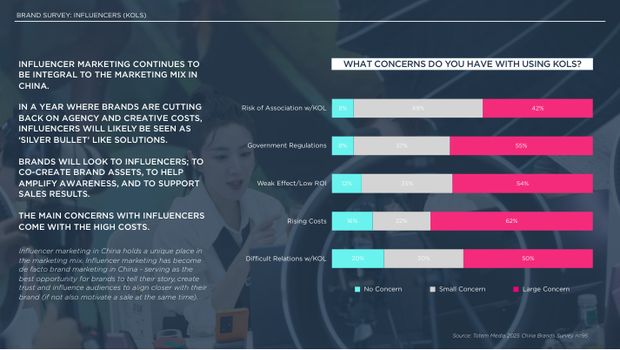
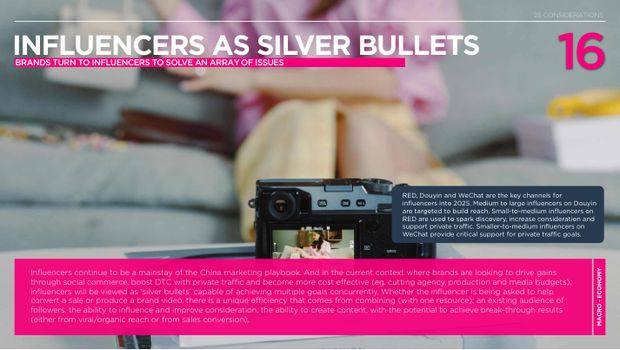
As brands cut agency and creative budgets, influencers are leaned on to co-create brand assets, amplify awareness and support sales. Rising cost is the dominant concern with KOLs, ahead of weak ROI, regulation and brand-safety risk.
Positioning and CRM protect the core.
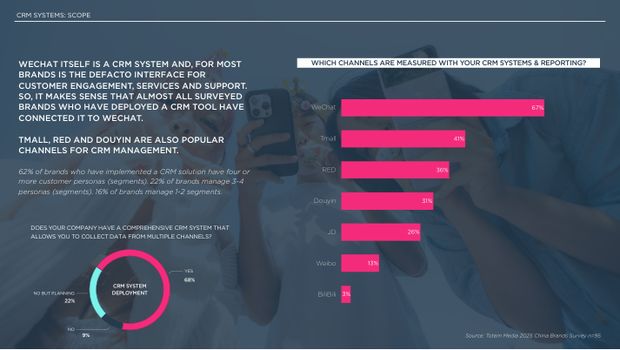
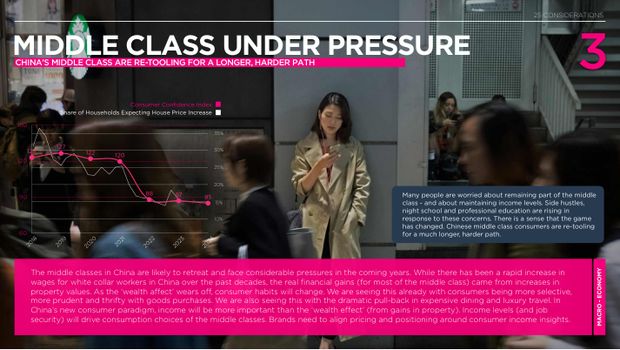
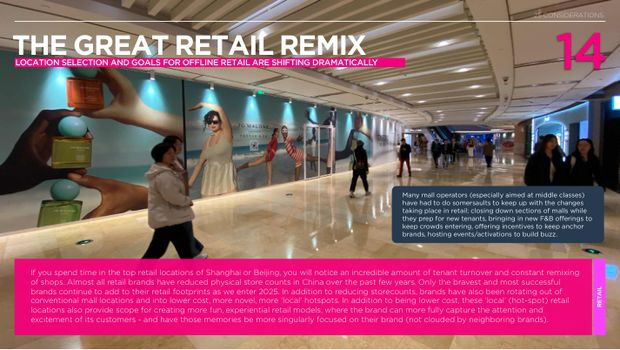
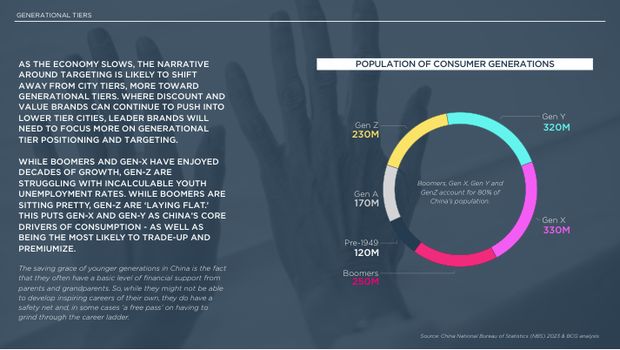
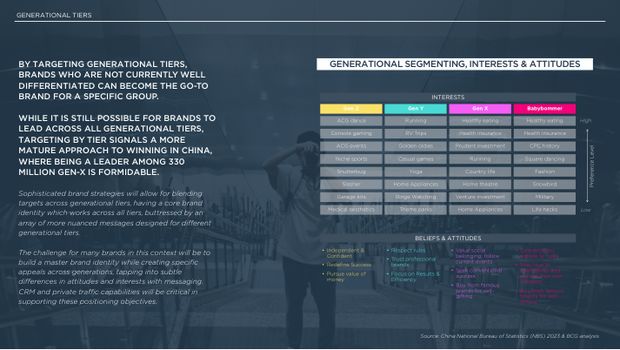
With middle-class confidence bracing, brands re-frame targeting around generation and income rather than city tier, and lean on private traffic and CRM to retain high-value customers as retail is remixed toward ecommerce.









What is the outlook for marketing in China in 2025?
The most cautious in the survey's ten-year history. Neutral-to-optimistic sentiment fell to 60%, and for the first time a significant share of brands planned outright budget cuts rather than a pause.
Why is 2025 described as a 'new paradigm'?
Because the slowdown looks structural, not cyclical. China has downshifted from rapid, unfettered growth to a phase of caution and prudence, and brands must reposition to survive and grow through a prolonged slowdown.
Which channels delivered the best ROI?
RED led perceived ROI in 2024, separating from Douyin for the first time since the two began leading in 2019. RED also topped planned KOL investment, with 76% of brands raising spend there, followed by Douyin (70%) and WeChat (54%).
How are brands changing their tactics?
Toward social commerce — private traffic, influencers, livestream and short video — and away from higher-cost traditional media such as display, TVC and news, plus speculative formats like gaming, podcasts and sponsorships.
Who produces the report and how large is the sample?
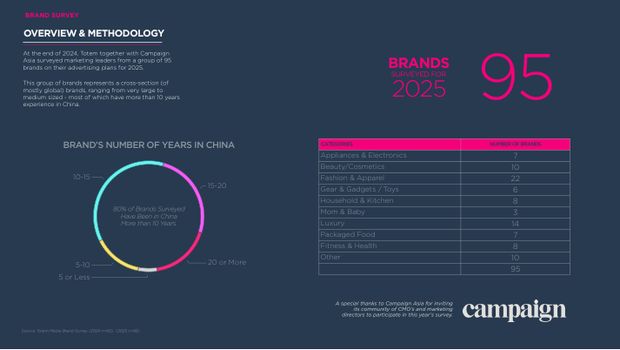
It is Totem's 10th annual China report, produced with Campaign Asia and built on a survey of 95 marketing leaders conducted at the end of 2024 — mostly global brands, 80% of which have more than ten years in China.
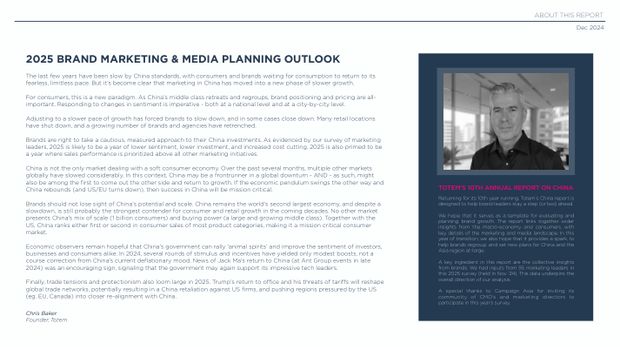
Totem's 10th consecutive annual China marketing and media report, produced with Campaign Asia to help brand leaders stay a step ahead. It connects China's macro-economy and consumer shifts to the detail of its marketing and media landscape, anchored by a survey of 95 marketing leaders conducted at the end of 2024. Respondents are a cross-section of mostly global brands, from very large to medium-sized, 80% of which have more than ten years' experience in China (2024 n=90, 2025 n=95).
Get the full report
Leave your details — we'll email you the PDF and give you the download straight away.