From flagship to fleet
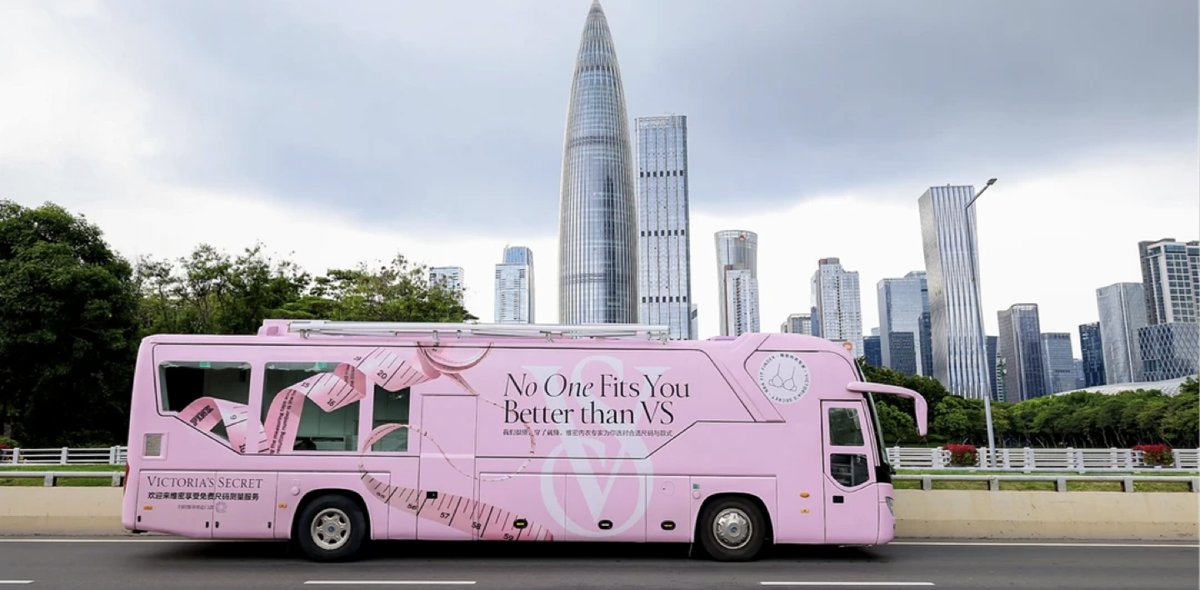
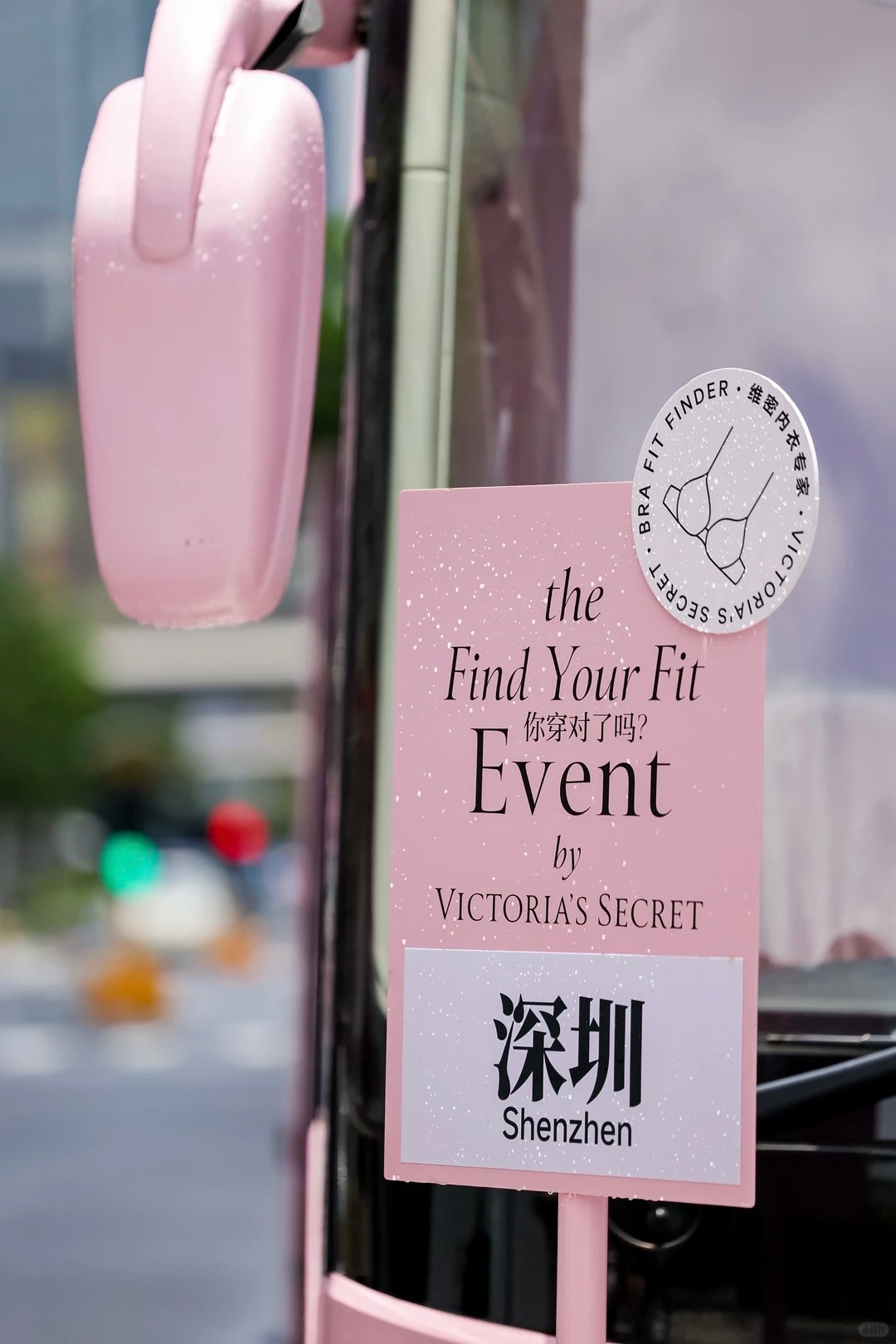
A pink-wrapped Victoria's Secret bus is touring China's downtowns supporting brand activations and pop-ups, one city at a time, with stops rolling out daily on Xiaohongshu.
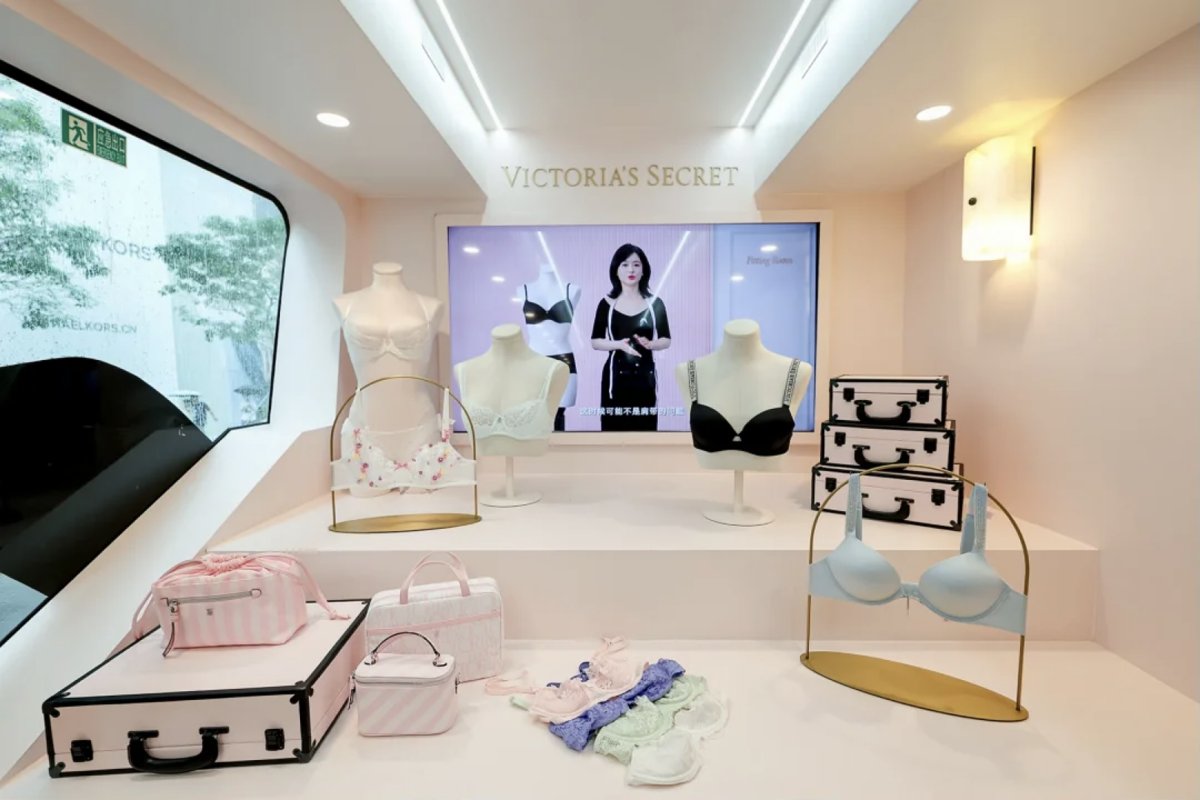
The city-by-city activations include fittings, check-in zones, sampling, on-site sales.
The activation is ordinary. The system they are building is unique.
The default answer to China's post-digital era has been all about large brand pop-ups. Brands setting up singular, large pop-ups at large malls are costly and short-lived. Most brand activations take place over a few days only to be replaced by another brand before audiences have been able to digest the last activation.
These flagship pop-ups have been costly, elaborate ...and (mostly) closed within a week.
A fitted-out bus inverts the equation ...the cost is incurred once, and the activation can be replicated and mobile.
Part of a bigger move
Victoria’s Secret just closed its largest Shanghai flagship even as China sales grew 43% last quarter. The company is trading fixed anchors for a more nimble model: physical presence in many cities with less overhead. The bus and brand activities (energy) can flow to the locations with the most potential.
This hit-and-run tactic is opportunistic and solves some important challenges.
BUT it would be even better if they could link it to a cultural/content-lead approach to build a deeper connections to the brand.