Estee Lauder's Silk Road Dream Train
Estée Lauder just turned a 72-hour train journey from Xi'an to Dunhuang into an immersive, brand experience.
I like this approach for a number of reasons:
Too many brands have focused too much on scale, size and volume with activations. Size, scale and volume are great except when it starts to feel repetitive and hollow - without a strong connection to brand storytelling & memory.
Estée Lauder’s Silk Road Dream Train is notable because it is not just an over-scaled pop-up at a mall. It’s intimate, premium and connects to an array of storytelling opportunities.
And, at a time when luxury is under some pressure in China, it also moves the approach into a more ‘exclusive’ and limited domain. Luxury in China has been damaged by its over-accessibility in the last decade. This approach signals a more discrete direction. When people talk about the ‘quiet luxury’ trend ...this is what they are talking about.
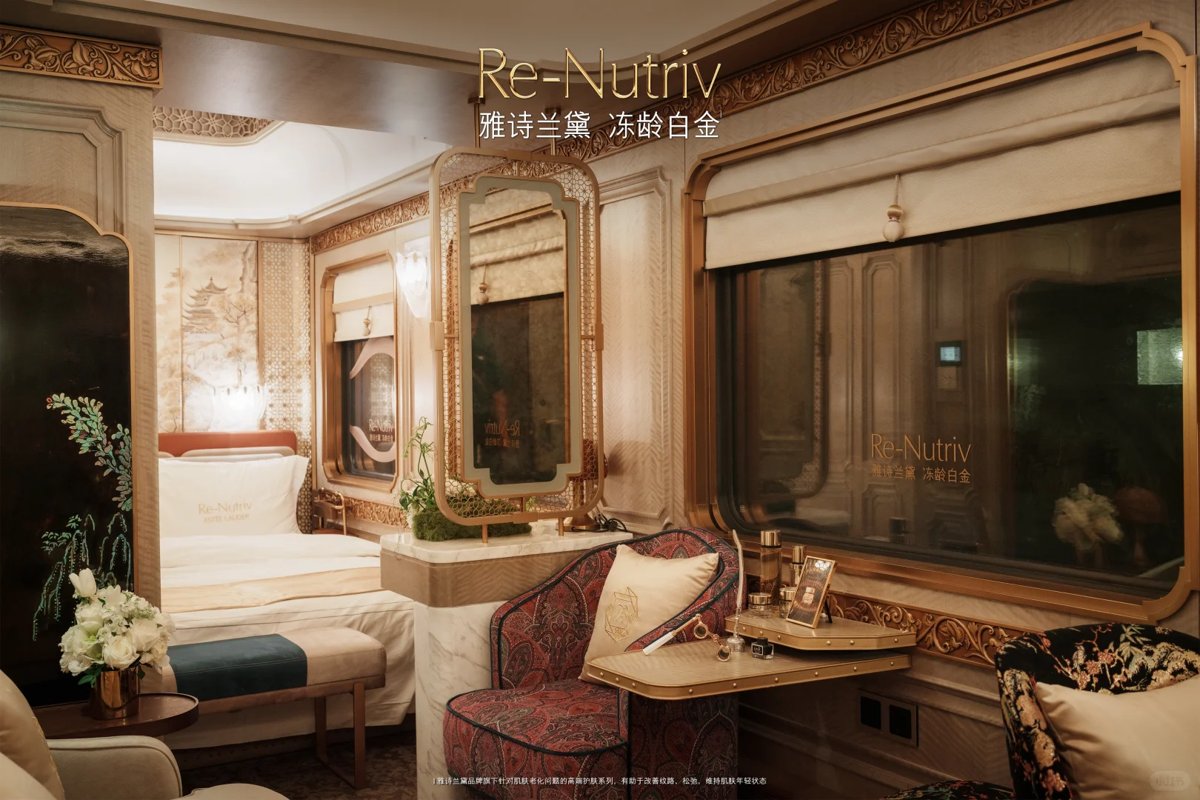
Ive done that train to Dunhuang and it’s a pretty magical experience & place!
Dunhuang is a ‘bucket list’ place for China travel.
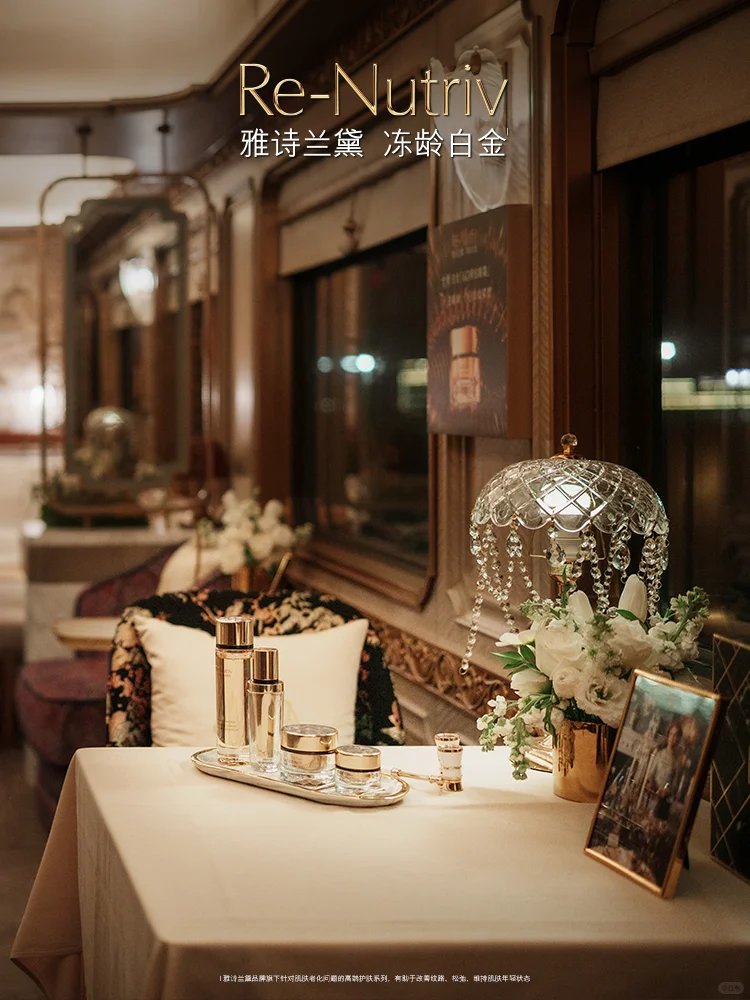
And, as domestic tourism is in high-gear, the spotlight is on places like Xi’an and Dunhuang ...so it’s well placed to capture a lot of excitement from online viewers.
This is a paid brand experience (costing ~RMB40K) but has mostly been met with positive reactions from social communities, for being a romantic, glamorous experience.
As noted by EY’s recent luxury research, consumers in China are very willing to pay for luxury brand experiences. According to the EY research, 84% of Mainland China luxury clients said they’d be willing to pay for a brand experience if one wasn’t offered complimentary.